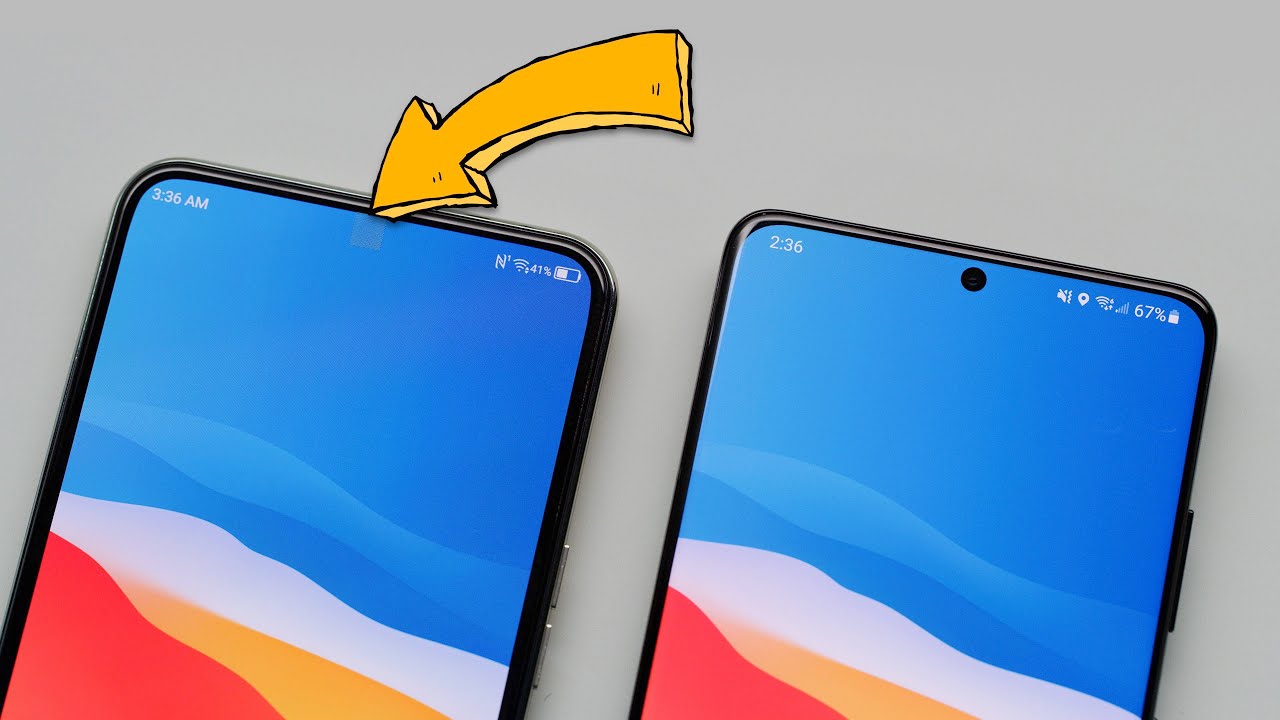
The Invisible Selfie Camera!
0 up · 0 down · 0 ratings
Promos
A closer look at the world's first under-display selfie camera Video Sponsored by Ridge Wallet: ridge.com Use Code “MKBHD” for 10% off your order MKBHD Merch: shop.mkbhd.com Tech I'm using right now: amazon.com Intro Track: Playlist of MKBHD Intro music: goo.gl Phone provided by ZTE for review. ~ twitter.com @MKBHD @MKBHD
The video The Invisible Selfie Camera! examines the world’s first under display selfie camera, as implemented on the ZTE Axon 20 5G. The host introduces the device and points out the top edge area where a subtle camera element is located, explaining that when viewed up close or with macro focus, the under display concept becomes apparent. He contextualizes this innovation within the broader trend toward fully seamless smartphone displays, contrasting it with earlier approaches like pop-up cameras and notch solutions. The presenter outlines the basic idea behind the technology: a camera placed behind the display using a partial pixel approach, a drive to hide the camera while maintaining screen ubiquity. He notes that the initial implementation is not perfect, yet frames it as a crucial proof of concept that pushes the entire smartphone industry forward. The segment ends with a setup to evaluate performance in everyday lighting and to consider future improvements and privacy implications as the tech matures.
Topics · technology · mobile devices · camera tech · privacy · display technology
Questions answered
- What is the core idea behind the under display selfie camera on the ZTE Axon 20 5G?
- The core idea is to place the selfie camera behind the display so that the screen remains uninterrupted, using a smaller subpixel structure and a semi-transparent region that the camera can see through, combined with image processing to merge a usable selfie image.
- What are the main trade-offs observed with this technology in the review?
- The main trade-offs are reduced image quality in selfies, especially in bright lighting where the semi-transparent pixels can create haze, and concerns about pixel lag and partial resolution; the approach also introduces complexity in display design and potential reliability concerns.
- How does the reviewer compare this first generation to future possibilities?
- The reviewer suggests that while the first generation is imperfect, it sets a baseline and motivates continued development, anticipating improvements in pixel matching, resolution, and hiding quality with faster iterations from other manufacturers.