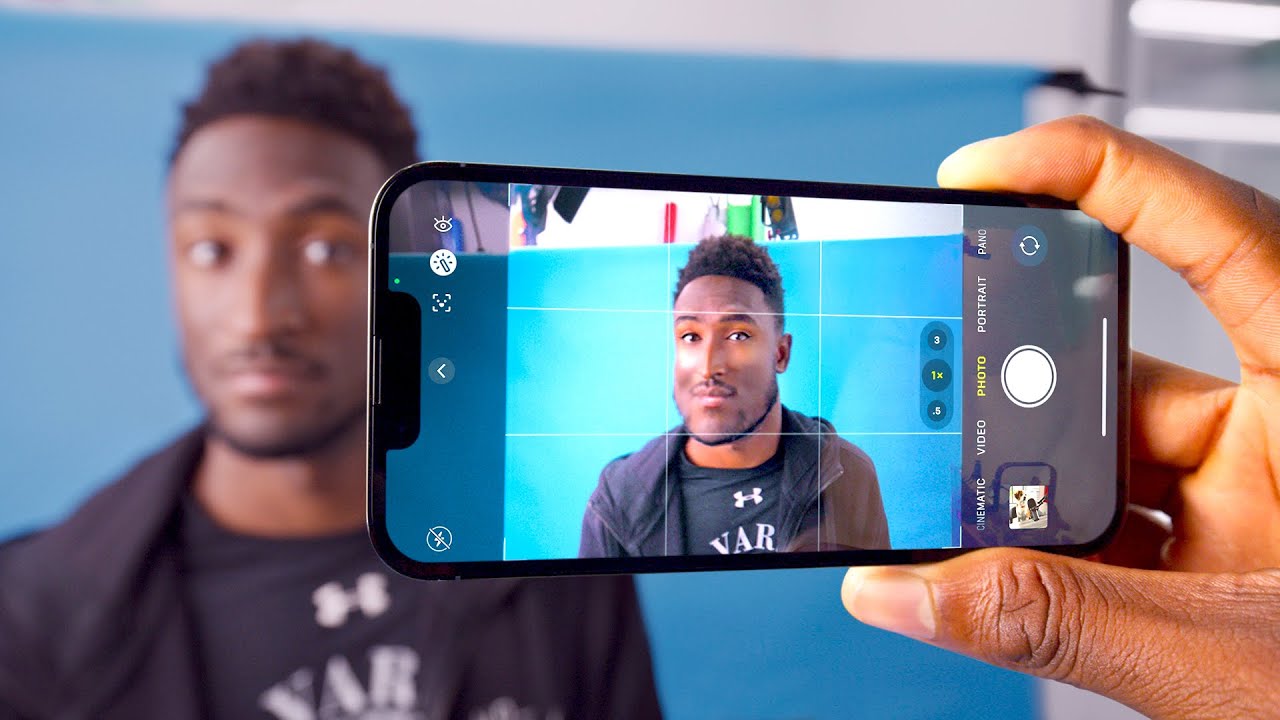
Smartphone Cameras vs Reality!
0 up · 0 down · 0 ratings
Promos
Thoughts on computational photography bending the definition of a "photo" Sponsored by Cash App: Download from App Store/Google Play store - Use code MARQUES for $15 and $10 goes to Girls Who Code! MKBHD Merch: shop.mkbhd.com Tech I'm using right now: amazon.com Playlist of MKBHD Intro music: goo.gl ~ twitter.com @MKBHD @MKBHD
Smartphone cameras are increasingly performing complex processing in the background, shaping not just the final image but the perceived moment itself. The video explains how multiple lenses on flagship devices switch between sensors, sometimes cropping or interpolating data in ways that can produce a better-looking photo, even when it means the captured moment isn’t a direct, unedited record of reality. The host discusses how these computational improvements go beyond simple enhancements, creating a pipeline where image data is filtered, merged, and sometimes altered to emphasize certain details, textures, and lighting. A key point is that different brands optimize differently, so a single scene can yield markedly different results depending on the device, which raises questions about what constitutes an authentic picture. The discussion also touches on historical examples of AI-driven features, like moon mode or beauty filters, and considers the ethical and perceptual implications of a future where cameras increasingly output finished, edited moments without user intervention. The overarching concern is whether the joy of photography, which historically relied on the photographer's choices, is being subsumed by algorithmic decisions that reflect corporate biases and market incentives. In closing, the video invites viewers to weigh their tolerance for reality-bending features against the convenience and creativity these tools offer, and to consider what they want from camera technology moving forward.
Topics · technology · photography · smartphones · ai · digital_imaging · consumer_electronics
Questions answered
- What is computational photography and how does it affect a photo taken with a smartphone?
- Computational photography uses algorithms to analyze and combine data from multiple camera sensors, then apply processing to enhance detail, color, and exposure. This can produce cleaner, sharper images or stabilized results, but it may also alter the scene beyond a true direct capture, effectively shaping the final image through AI decisions.
- Why might a 3X zoom not switch to the telephoto camera on some iPhone models, and what happens instead?
- In some conditions, especially low light, the phone may crop from the main camera instead of switching to the telephoto sensor. This can result in a darker, noisier image but sometimes yields a brighter or cleaner result, effectively bypassing the telephoto in favor of the main sensor.
- What are the ethical or perceptual concerns raised by the video about smartphone photography?
- The concerns include the potential loss of authenticity, as photos may reflect the camera’s edits rather than reality; the opacity of automatic enhancements; the risk of homogenized images across devices; and the broader impact on how people remember moments or portray reality in journalism and personal memory.