Let's Talk About Tesla "Killers!"
0 up · 0 down · 0 ratings
Promos
The truth about Rivian, Faraday Future, Lucid Air, and the rest. My Tesla referral code: ts.la Rivian: vimeo.com Zach: youtube.com Teslanomics video: youtu.be MKBHD Merch: shop.mkbhd.com Video Gear I use: kit.com Tech I'm using right now: amazon.com Intro Track: Disarm by Alltta ~ twitter.com snapchat.com google.com @MKBHD @MKBHD
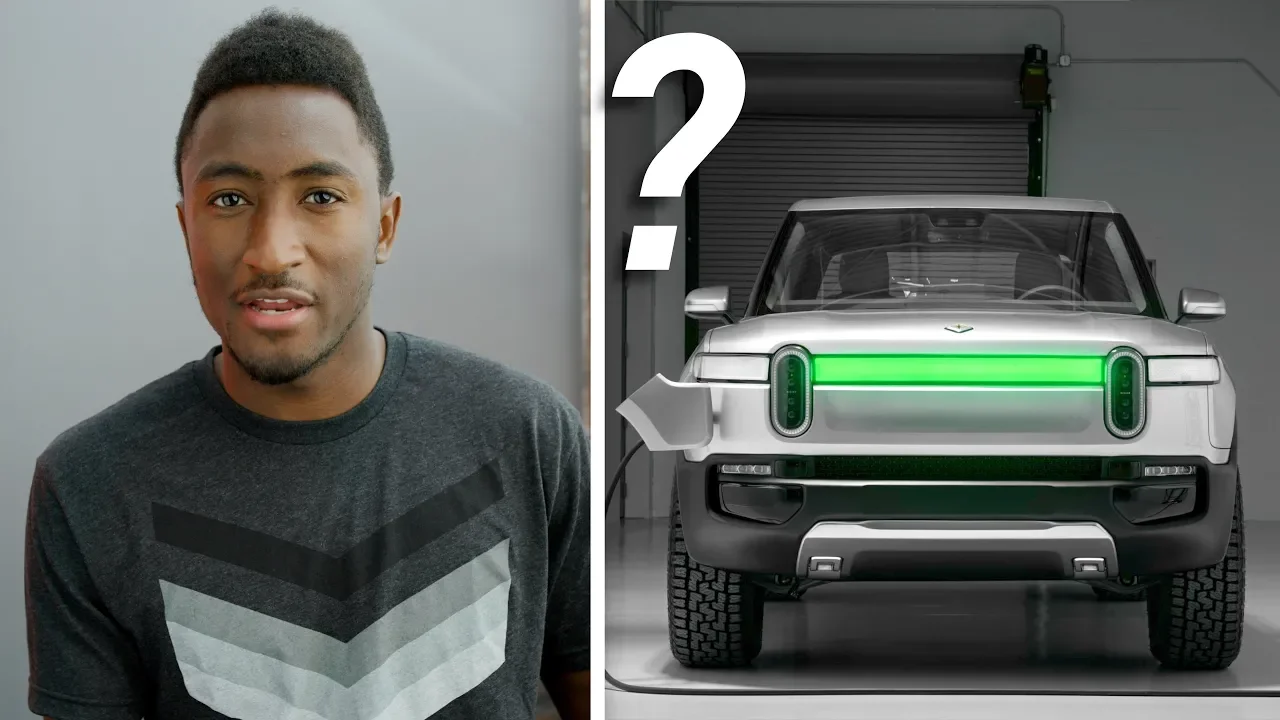
Marques Brownlee discusses the then-new Rivian electric trucks and SUVs in the context of Tesla’s dominant position in the electric vehicle space. He breaks down Rivian’s promised specs, including a 180 kWh battery, a 400 mile range, four independently driven motors, and impressive towing and off-road capabilities, while noting design choices and storage innovations like the front trunk, gear tunnel, and built-in air compressor. He emphasizes that while Rivian appears technically compelling and has a respectable product roadmap, the true challenge for any so-called Tesla killer goes beyond specs to mass production, software depth, charging infrastructure, and autonomous driving capabilities. The video then broadens to compare startups such as Faraday Future and Lucid Air with established automakers, arguing that legacy manufacturers enjoy scale, manufacturing discipline, and proven design language, which can compensate for slower early-stage ambitions in the EV space. Brownlee concludes that there is room for competition and consumer choice, but stresses that no clear Tesla killer had emerged by late 2018, while also highlighting the importance of a robust charging network and advanced software to make electric cars as convenient as gasoline equivalents. The discussion ends on an optimistic note about continued market competition driving better products, more options, and faster progress for EV buyers.
Topics · electric vehicles · industry analysis · technology startups · auto industry
Questions answered
- What four pillars does Marques identify as essential for a car to be a true electric rival to Tesla?
- The four pillars are design, price, specs, and convenience, with convenience encompassing mass production, autonomous driving, and a charging network.
- Why does the video say large established automakers might ultimately outcompete startups like Rivian?
- Because legacy manufacturers have existing manufacturing scale, experienced staff, better fit and finish, and more proven design, which can offset early-stage startups' strong design and high-end promises.