How Does Credit Card Fraud Protection Work?
0 up · 0 down · 0 ratings
Promos
Thanks to Skillshare for sponsoring this video! First 250 people will get a 2 month trial for 99¢ here: skl.sh How does your credit card company determine if a transaction is fraudulent? Techquickie Merch Store: designbyhumans.com Techquickie Movie Poster: shop.crowdmade.com Follow: twitter.com Leave a reply with your requests for future episodes, or tweet them here: twitter.com Join the community: linustechtips.com Intro Theme: Showdown by F.O.O.L from Monstercat - Best of 2016 Video Link: youtube.com iTunes Download Link: itunes.apple.com Listen on Spotify: open.spotify.com
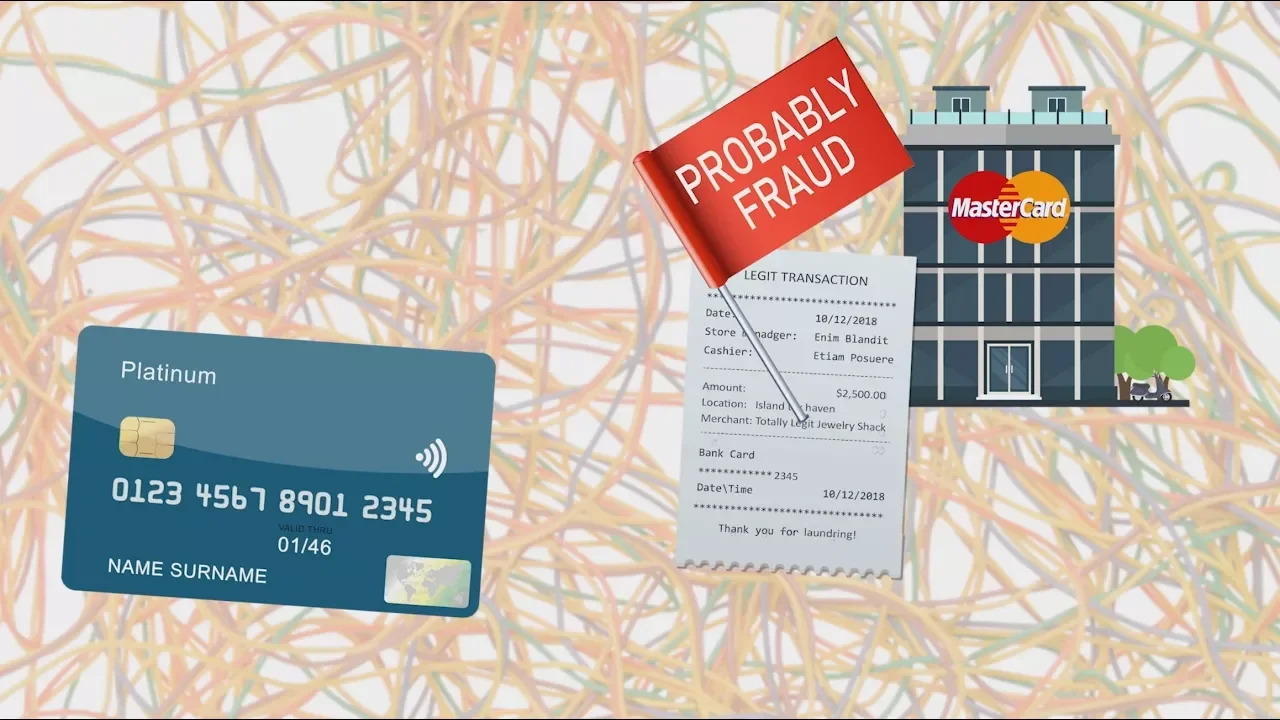
The video explains how credit card fraud protection works by focusing on data-driven detection rather than physical theft alone. It describes how major payment processors accumulate vast amounts of spending data to build a detailed picture of a cardholder’s typical behavior,where they shop, how much they spend, and how often they use their card in given locations. When a transaction appears anomalous, such as a sudden jump in spending, a purchase from an unfamiliar location, or a pattern that matches known fraud signals, the processing system flags it as potentially fraudulent. The piece also notes that banks and card issuers rely on machine learning and neural networks to refine these fraud-detection rules over time, and it explains practical tips like notifying the issuer before international travel or unusual trips to avoid legitimate transactions being labeled as fraud. Finally, it touches on the human side of the defense, including customer alerts, reimbursement policies for reported fraud, and the ongoing effort to improve security while minimizing false positives. The video also briefly promotes Skillshare as a sponsor and emphasizes the broader context of data-driven security in modern electronic payments.
Topics · security · finance · technology · education
Questions answered
- How do credit card companies detect fraud based on spending behavior?
- Credit card issuers monitor spending patterns to create a profile of typical activity, including where and how much a card is used. Transactions that deviate from this pattern, such as unusual locations, unusually large amounts, or atypical frequency, trigger alerts in the payment processing system.
- What happens when a potentially fraudulent transaction is detected?
- If a transaction is flagged as suspicious, the issuer may alert the cardholder so they can verify the activity. Banks typically reimburse fraud losses if the holder reports the issue quickly and the purchase is confirmed as unauthorized.
- Why do legitimate transactions sometimes get flagged as fraud and how can this be avoided?
- Legitimate but unusual activity, like traveling or making an unusual purchase, can trigger fraud rules. To reduce false positives, card issuers use machine learning to refine detection and customers can call or alert the issuer before significant trips or unusual purchases.