How Does Stealth Technology Work?
0 up · 0 down · 0 ratings
Promos
Stealth aircraft can give pilots a huge advantage over opponents by being difficult to detect on radar - but how is it possible to keep something so large and powerful hidden from the eyes of the adversary? Freshbooks message: Head over to freshbooks.com and don’t forget to enter Tech Quickie in the “How Did You Hear About Us” section when signing up for your free trial. Techquickie Merch Store: designbyhumans.com Techquickie Movie Poster: shop.crowdmade.com Follow: twitter.com Leave a reply with your requests for future episodes, or tweet them here: twitter.com Join the community: linustechtips.com Intro Theme: Showdown by F.O.O.L from Monstercat - Best of 2016 Video Link: youtube.com iTunes Download Link: itunes.apple.com Listen on Spotify: open.spotify.com
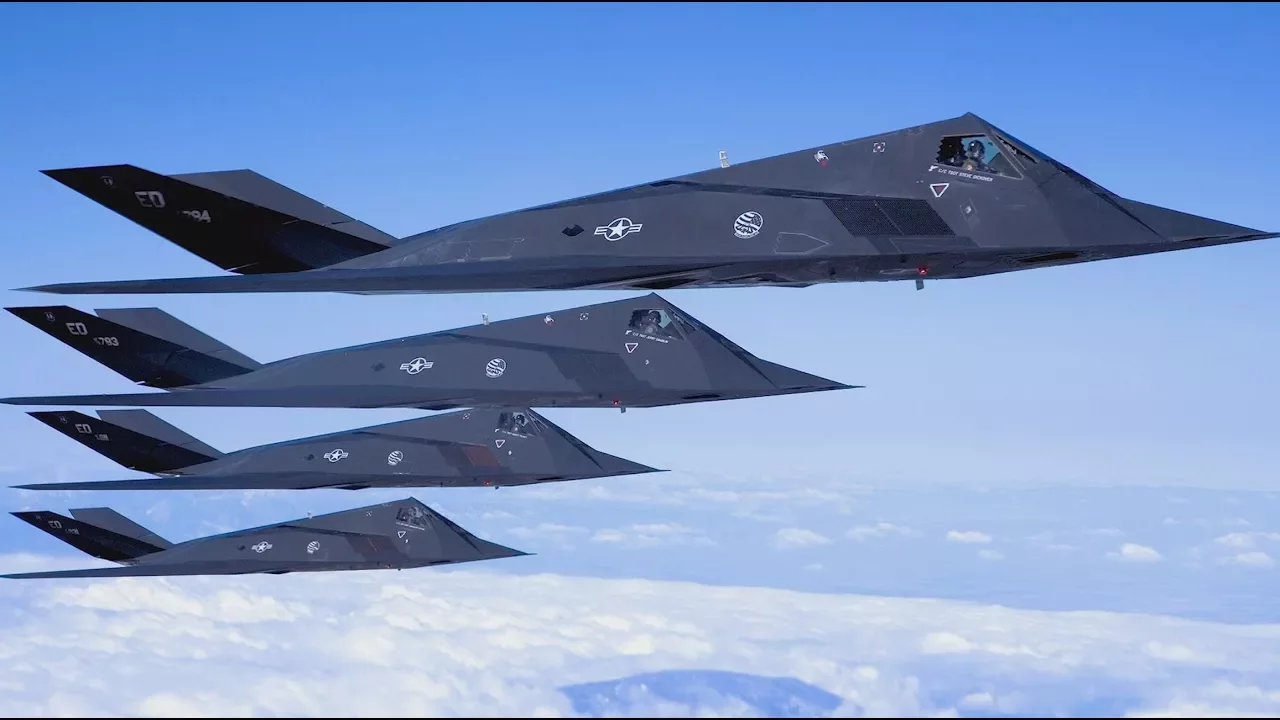
Stealth technology centers on reducing an aircraft’s detectability to radar systems rather than making it invisible. Radar works by emitting radio waves and analyzing reflections to determine an object’s position, speed, and shape, so stealth aims to either absorb these waves or deflect them away from the radar receiver. One early approach is special radar-absorbent paint, which uses iron particles oriented to create a magnetic field that absorbs waves and dissipates them as heat rather than reflecting them back. Another tactic employs geometrical shapes, like pyramids under the skin, to cause incoming radar energy to bounce around and lose energy with each interaction, effectively weakening the return signal. Over time, materials such as carbon-based layers beneath the skin and advanced composites like nanotube fibers have been explored to further dampen radar energy. The video notes that although these materials can be effective, they are costly and engineering-intensive, so modern stealth often emphasizes shaping to scatter radar beams rather than relying solely on absorbing materials. Classic designs like the F-117 relied on flat, angular surfaces to direct signals away, while later platforms like the B-2 Spirit, F-22 Raptor, and F-35 include rounded contours that still maintain low detectability through careful cross-section management and internal design optimizations. These newer platforms also consider infrared signatures and how components, such as bay doors, interact with radar and heat detection, illustrating the multi-faceted challenge of making aircraft stealthy while preserving aerodynamics and mission capability.
Topics · aerospace · military technology · defense technology · radar technology · science and technology
Questions answered
- What is the core principle behind stealth technology?
- Stealth aims to reduce detectability by absorbing radar waves or deflecting them away from radar receivers, rather than making objects truly invisible.
- Why is shaping emphasized in modern stealth designs?
- Shaping scatters radar beams in multiple directions, reducing the radar cross section while maintaining aerodynamic performance and internal system integration.