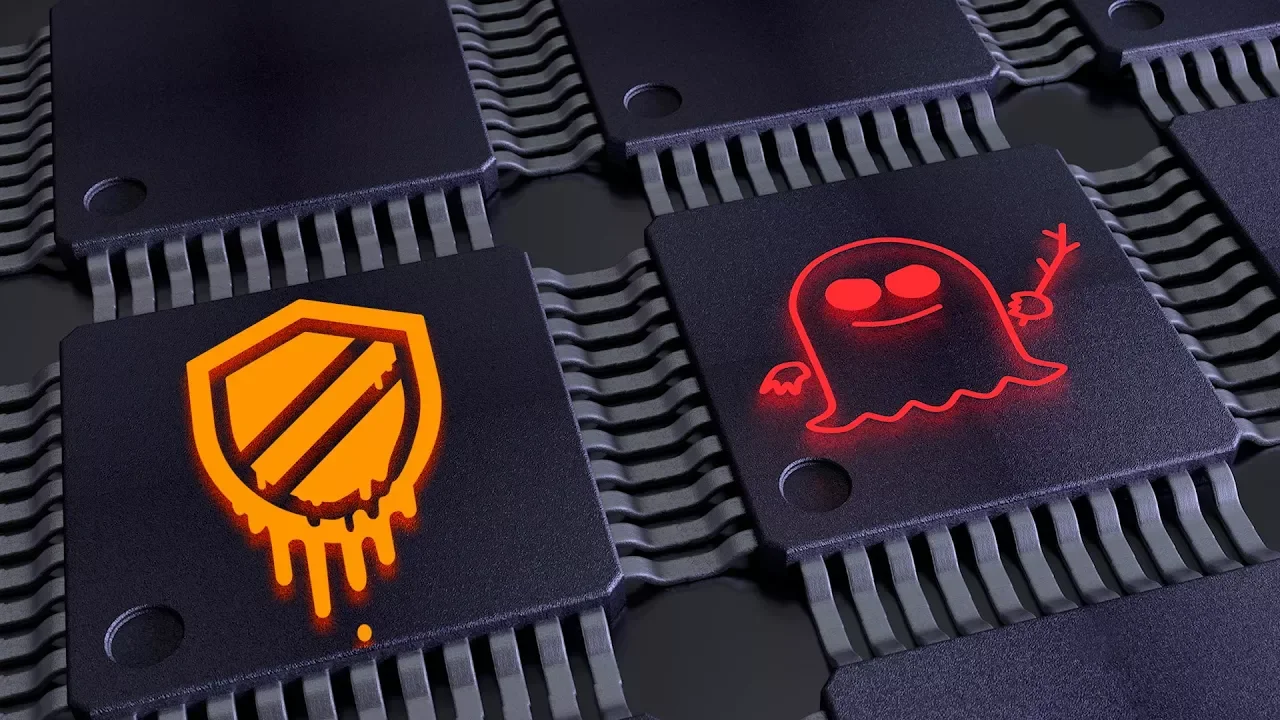
Why are Spectre and Meltdown So Dangerous?
0 up · 0 down · 0 ratings
Promos
Squarespace link: Visit squarespace.com and use offer code TECHQUICKIE to save 10% off your first order. Spectre and Meltdown are security flaws that, between them, affect nearly all of the world's PCs and smartphones! How did this happen, and what makes these bugs so sinister? Techquickie Merch Store: designbyhumans.com Techquickie Movie Poster: shop.crowdmade.com Follow: twitter.com Leave a reply with your requests for future episodes, or tweet them here: twitter.com Join the community: linustechtips.com Intro Theme: Showdown by F.O.O.L from Monstercat - Best of 2016 Video Link: youtube.com iTunes Download Link: itunes.apple.com Listen on Spotify: open.spotify.com
Spectre and Meltdown are security bugs that affect nearly all modern CPUs, and they operate at a level closer to hardware than typical software exploits. The video explains that these flaws exploit speculative execution, a performance feature used by most CPUs to read ahead and cache data, speeding up processing. Meltdown specifically tricks the CPU into revealing data by manipulating memory access patterns and cache, while Spectre uses branch prediction to induce the CPU into executing instructions that leak information into the cache. Because these techniques work across many processor models and operating systems, patching the issues is challenging and can impact performance, making mitigation a delicate balance between security and speed. The presenter walks through how memory is organized, how caches store data, and why the vulnerabilities persist even after software updates. He notes that hardware-level fixes are being pursued for future chips, but billions of devices already in use cannot be quickly repaired, underscoring the urgency for defensive strategies like cautious browsing and system hardening. The segment also touches on the real-world implications for users, including potential financial risk if data is exfiltrated without leaving obvious traces. Overall, the talk underscores that Spectre and Meltdown reveal fundamental flaws in modern CPU design and the difficulty of achieving complete protection without tradeoffs in performance and compatibility.
Topics · technology · cybersecurity · computing
Questions answered
- What makes Spectre and Meltdown so dangerous compared to typical software bugs?
- They operate at the hardware level via speculative execution and branch prediction, allowing potential data leakage across many CPU models and operating systems, not just through a specific program or vulnerability in software.
- Why are fixes for Spectre and Meltdown slower to deploy and less effective?
- Because speculative execution is central to CPU performance across many architectures, patches can reduce speed, and the bugs span many hardware generations, making universal fixes difficult.