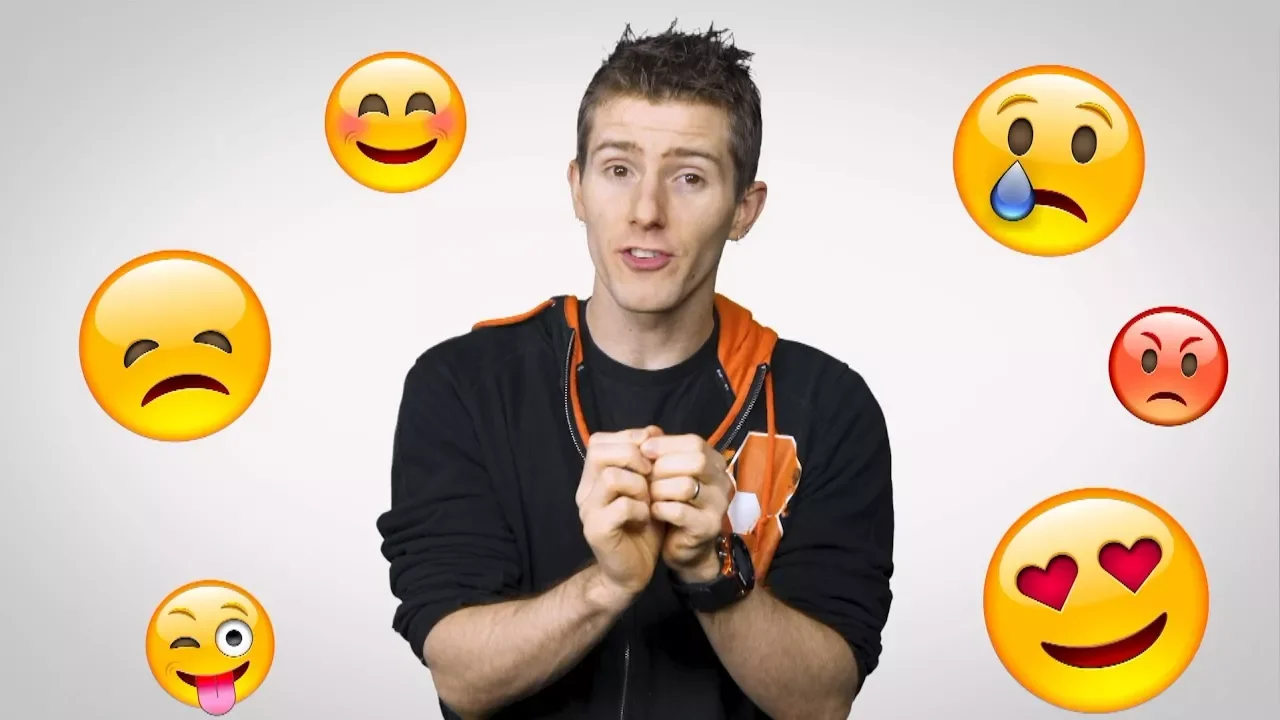
The History of Emoticons and Emoji
0 up · 0 down · 0 ratings
Promos
When and how did people first decide to represent emotions with tiny strings of text art? Freshbooks message: Head over to freshbooks.com and don’t forget to enter Tech Quickie in the “How Did You Hear About Us” section when signing up for your free trial. Techquickie Merch Store: designbyhumans.com Techquickie Movie Poster: shop.crowdmade.com Follow: twitter.com Leave a reply with your requests for future episodes, or tweet them here: twitter.com Join the community: linustechtips.com Intro Theme: Showdown by F.O.O.L from Monstercat - Best of 2016 Video Link: youtube.com iTunes Download Link: itunes.apple.com Listen on Spotify: open.spotify.com License for image used: creativecommons.org
The video traces the evolution of text based emotion representations from early online communities to the modern emoji era. It begins by situating emoticons as a clever solution to convey tone in plain text, highlighting the iconic idea attributed to Scott Fahlman on Usenet in 1982, which seeded a global habit of turning punctuation into mood. The narrative then travels to Japan where the concept blossomed into emoji under the guidance of Shigetaka Kurita at Nippon Telegraph and Telephone, leading to compact pictographs that could communicate ideas at a glance. Along the way, it contrasts emoticons and emojis, explaining how emoticons rely on character arrangement to form faces, while emojis are standardized symbols encoded in Unicode that travel across platforms. The video also touches on the role of early messaging services like Yahoo Messenger and MSN Messenger in popularizing these symbols, and it notes the transition to mobile keyboards and platform specific sets that broaden and sometimes complicate cross device usage. The historical arc is rounded out with a nod to kaomoji, the Japanese style of face characters that use ASCII or Japanese characters to express emotion, underscoring how cultural differences shaped visual language in digital communication. Overall, the piece links historical milestones to current debates about authenticity, readability, and the cultural memory attached to emoticons and emojis. The conclusion reflects on how these tiny symbols have become a universal yet evolving shorthand for human emotion in the digital age, with ongoing debates about design choices, inclusivity, and future Unicode additions.
Topics · technology · history · communication · internet_culture
Questions answered
- What is the fundamental difference between emoticons and emojis in digital communication?
- Emoticons use text characters arranged to form faces or cues, while emojis are standardized pictographs encoded in Unicode that render as images across platforms.
- Who pioneered the concept of emojis and where did it originate?
- Emojis originated in Japan, developed by Shigetaka Kurita as part of a mobile platform, and later standardized in Unicode for cross platform compatibility.