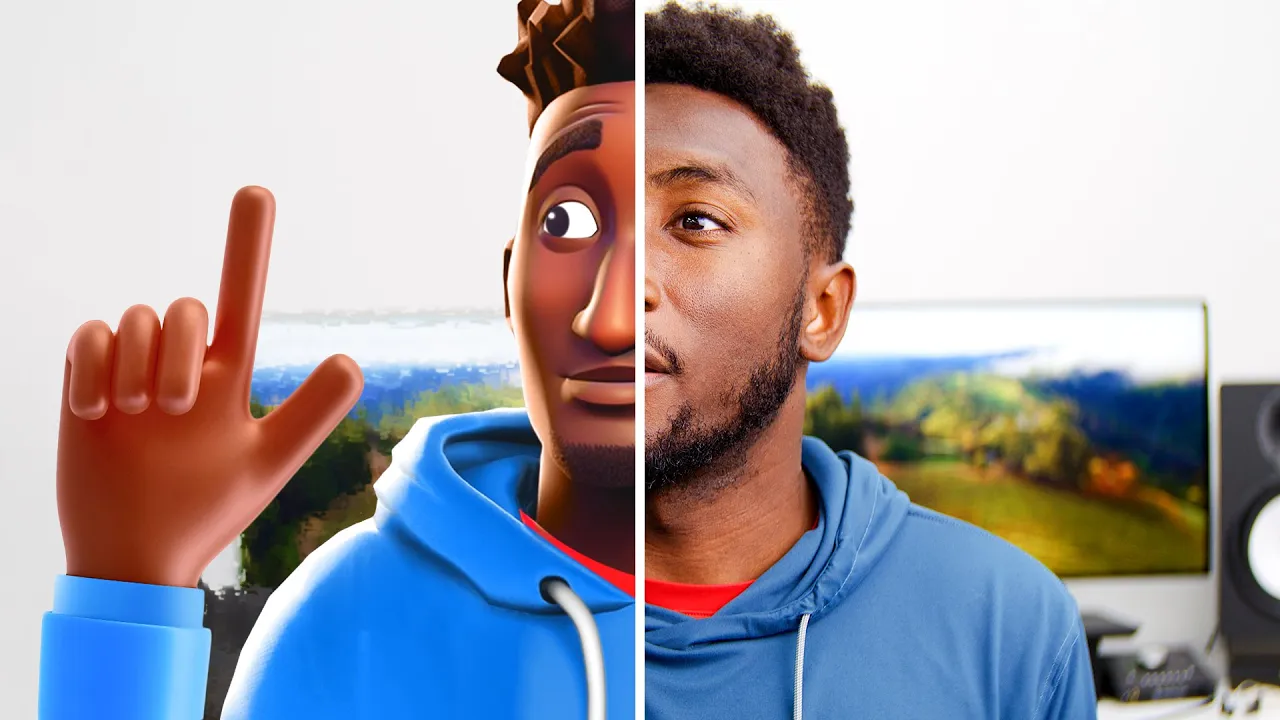
AI Generated Videos Just Changed Forever
0 up · 0 down · 0 ratings
Promos
Reminder: It’s only been 1 YEAR since the Will Smith eating spaghetti video OpenAI Sora: openai.com Thumbnail character: BasedAF MKBHD Merch: shop.mkbhd.com Tech I'm using right now: amazon.com Playlist of MKBHD Intro music: goo.gl ~ twitter.com @MKBHD @MKBHD
The video provides a comprehensive look at how AI generated videos have evolved in just one year, moving from early, obviously synthetic clips to highly convincing footage that can resemble real videos in lighting, textures, and motion. The host walks through OpenAI's Sora model, which can generate full video clips up to a minute long from text prompts, and compares it to past milestones in image generation like DALL-E. He emphasizes that, while impressive, the current outputs still display imperfections such as odd in-camera movement, inconsistent frame rates, and subtle physics glitches that betray their synthetic nature upon close inspection. Nevertheless, the examples shown demonstrate dramatic improvements in realism, including accurate skin tones, reflections, and material textures, signaling a potential shift in how stock footage and video content could be produced. The discussion also touches on the broader implications for creators and industries, including licensing disruption and the potential for AI to simulate human likenesses, which raises important safety and ethical considerations. Overall, the host frames Sora as a powerful but double-edged tool that will require careful management as the technology continues to mature. The video closes with reflections on future possibilities, urging viewers to consider how quickly AI video generation could become a mainstream and potentially disruptive capability for media production.
Topics · technology · media · ai ethics · video production · stock footage · digital media · cinematography
Questions answered
- What is Sora and what can it do?
- Sora is an OpenAI model that can generate full video clips up to one minute long from text prompts, using learned representations of lighting, texture, physics, and motion to create plausible video output.
- What are the major concerns with AI generated videos?
- Key concerns include the potential for misinformation, deepfakes influencing politics, copyright and licensing impacts, and the difficulty of discerning real from synthetic footage, especially as realism improves.
- Will AI video generation replace traditional video licensing and production?
- AI video generation could reduce demand for stock footage licensing and specialized production in some cases, but it may also create new workflows and safety requirements, including watermarking and safeguards to limit use of likenesses.