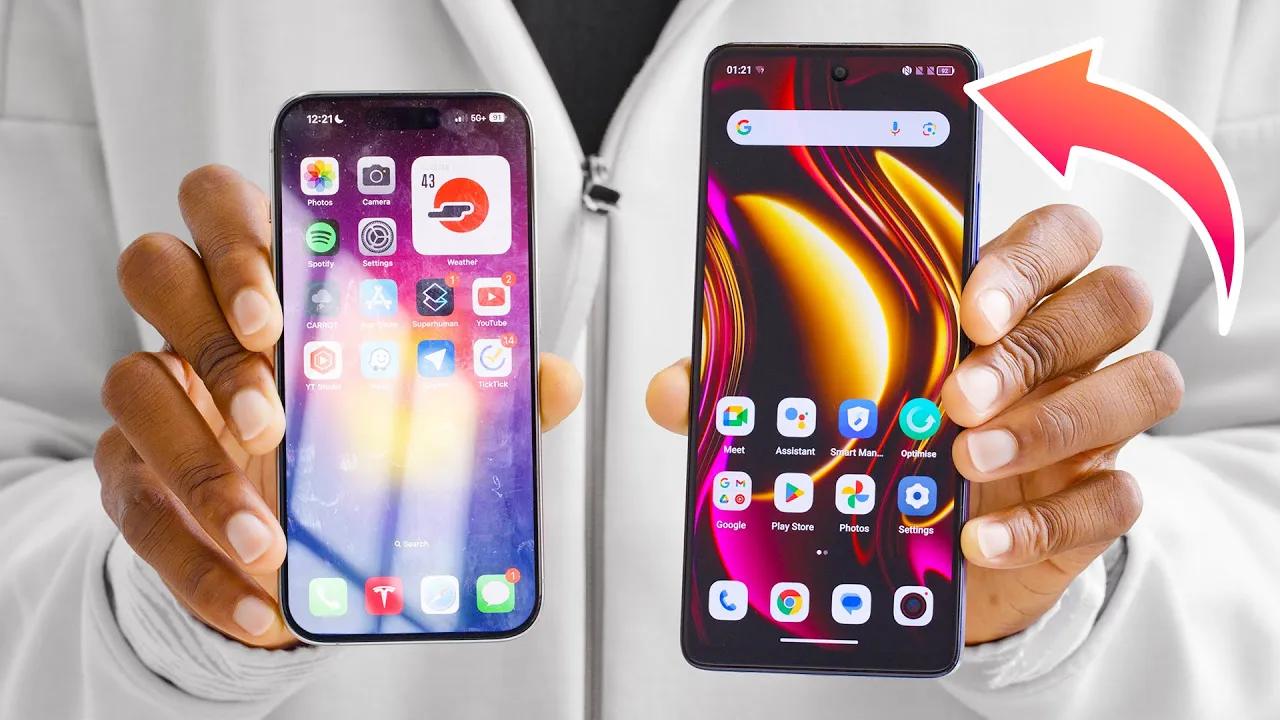
Why Don't More Smartphones Have This?
0 up · 0 down · 0 ratings
Promos
The ultimate anti-reflective matte display... has a catch MKBHD Merch: shop.mkbhd.com TCL 40 NXTPAPER: tcl.com Tech I'm using right now: amazon.com Playlist of MKBHD Intro music: goo.gl Phone provided by TCL for review. ~ twitter.com @MKBHD @MKBHD
TCL’s 40 NXTPAPER review centers on a budget smartphone that stands out because of its screen technology. The device itself is a modest 200 dollar Android phone with typical specs like a 5000 mAh battery, a 50 MP main camera, and a Mediatek G88 chip, but the real attention is drawn to the display. The NXTPAPER panel uses a textured glass layer and multiple hardware stack layers to create an anti-reflective, almost paper-like viewing experience, with colors that aim to resemble e-paper while keeping color and 90 Hz responsiveness. In practice, the reviewer notes that reflections disappear at any angle, eye strain is reduced, and the touch feel is unusually soft and tactile thanks to the texture. However, there are clear trade-offs: brightness tops out around 450 nits indoors, outdoor visibility is limited, sharpness and contrast suffer due to the extra display layers, and the overall experience can feel like a niche feature rather than a mainstream upgrade. The video also dives into TCL’s software modes like color paper and ink paper, which further modulate saturation and grayscale to evoke paper or e-reader aesthetics, while acknowledging that these modes are mainly cosmetic and designed for specific use cases. The host concludes that while NXTPAPER is technically impressive and highly niche, it is unlikely to become a standard feature on most phones because the trade-offs contradict typical consumer priorities like brightness, sharpness, and overall versatility. In the broader context, the reviewer frames this as a compelling experiment in display engineering,one that proves a matte, reflection-free display can exist on a consumer phone without sacrificing full color and interactivity. The analysis balances excitement for the technology with realism about its appeal, noting that the market may not reward such a feature until it can be implemented with brighter panels and without compromising core display quality. The takeaway is that NXTPAPER represents a bold but limited path toward eye-comfort and readability, offering an intriguing option for niche use cases or as a supplementary device rather than a replacement for standard smartphones. The video ends with an optimistic nod to future iterations where light management and sharpness could be improved while preserving the matte, reflective-free benefits.
Topics · technology · consumer electronics · display technology · mobile devices
Questions answered
- What is NXTPAPER technology in TCL phones?
- NXTPAPER combines a textured glass surface with multiple display layers and software modes to deliver a near anti reflective, paper like viewing experience while maintaining full color and 90 Hz performance.
- What are the main downsides of this display approach?
- Key downsides include reduced brightness outdoors, limited sharpness and contrast due to extra display layers, and the feature being niche rather than widely adopted.
- Is NXTPAPER better for eye comfort and reading?
- Yes, the design reduces reflections and blue light exposure through hardware filtering, which can lower eye strain and improve readability in various lighting conditions.