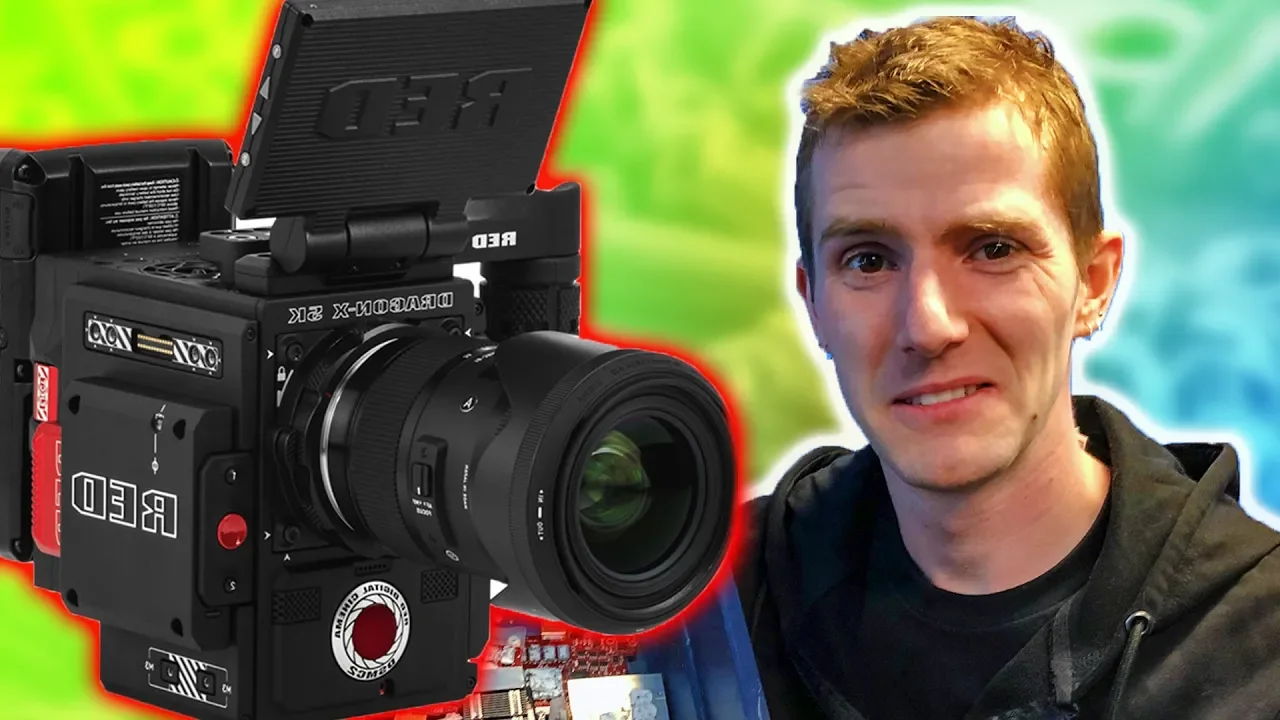
Reassembling our $40,000 Camera
0 up · 0 down · 0 ratings
Promos
Visit squarespace.com and use offer code LTT for 10% off Pick up an ORIGIN PC, NVIDIA RTX powered laptop for back to school at bit.ly We took apart our VERY expensive RED camera.... and now we have to put it back together. Buy cameras on Amazon: lmg.gg Discuss on the forum: linustechtips.com Our Affiliates, Referral Programs, and Sponsors: linustechtips.com Get Private Internet Access today at geni.us Displate metal posters: lmg.gg Linus Tech Tips merchandise at lttstore.com Linus Tech Tips posters at crowdmade.com Our Test Benches on Amazon: amazon.com Our production gear: geni.us Twitter - twitter.com Facebook - @LinusTech Instagram - @linustech Twitch - twitch.tv Intro Screen Music Credit: Title: Laszlo - Supernova Video Link: youtube.com iTunes Download Link: itunes.apple.com Artist Link: soundcloud.com Outro Screen Music Credit: Approaching Nirvana - Sugar High youtube.com
This video documents the ambitious project of reassembling a very expensive RED 8K camera after it was taken apart for water cooling. The hosts begin with a frank acknowledgment that they had no baseline measurements before disassembly, which creates a challenging constraint for validating performance once reassembled. They organize the components with meticulous care, ensuring screws are kept in place and oriented correctly to avoid mixing up parts that look similar. The narration blends hands-on troubleshooting with light humor as they navigate fragile connections, gasket placements, and the delicate heatsink assembly. There is a clear emphasis on avoiding mistakes that could permanently damage the camera, setting a high bar for precision and methodical work. The segment also functions as a prelude to performance testing, foreshadowing pre-benchmark data collection to compare water-cooled results against previous baselines. As they dive into the reassembly, the team uses software tools to inspect and navigate the Red footage and related media, ensuring they can verify content integrity while the hardware goes back together. They discuss the role of redcine and other utilities to interpret multi-part RAW footage, which helps them validate the internal wiring and ribbon cable orientations. The process involves reattaching the heatsink, aligning gasket components, and reconnecting complex ribbon assemblies that are crucial for sensor cooling and signal integrity. Throughout this portion, the dialogue captures the tension of reassembling a highly sophisticated piece of kit, with moments of humor when they realize a particular screw or alignment step requires patience and a careful touch. The narrative makes it evident that even experienced technicians can encounter surprising fitment challenges when dealing with a camera of this scale and complexity. Midway through the build, attention shifts to the more intricate aspects, such as securing the sensor’s focus lock and reassembling the two PCB assemblies, including the process of reconnecting the cooling pathways and fan assemblies. The duo evaluates fitment by trial and error, comparing their current assembly to reference footage, and they repeatedly confirm orientation before tightening. The discussion highlights the real-world difficulty of assembling a high-end camera, where even a minor misalignment can ripple into substantial issues later in the build. As they approach completion, the camera begins to resemble its former self, with the looming question of whether the reassembly will hold under operation and testing. The segment culminates in a cautious, optimistic test run where the power is applied and an image is expected to confirm that the camera is functional, setting the stage for a full performance evaluation. The closing phase emphasizes pre-testing and performance benchmarking, where they plan to measure noise, temperature, and image quality at idle and under load. They outline a structured plan for pre-benchmarking, including loudness measurements, thermal readings, and test footage in both highlight and low-light conditions. The hosts also interweave promotional content for Squarespace and related gear, but the core focus remains on validating the camera’s reassembly through rigorous testing. By the end of the video, the camera demonstrates power and initial functionality, and the team commits to further testing to quantify improvements from the water-cooling retrofit. The overall takeaway is a blend of technical perseverance, careful project management, and the satisfaction of reviving a high-value device through disciplined engineering. If you are interested in high-end camera hardware, modular cooling solutions, and the realities of assembling complex equipment, this video offers a granular, sometimes tense, but ultimately educational walkthrough. It showcases not just the mechanical challenges but also the decision-making process behind component placement, cable routing, and sensor stability. Viewers are treated to candid moments of troubleshooting, occasional humor, and the satisfaction of a successful initial power-on, providing a practical look at what it takes to bring back to life a modern cinema-grade camera. The narrative foregrounds hands-on craftsmanship and reinforces the idea that meticulous planning and documentation can help salvage and optimize sophisticated tech equipment even after a long disassembly.
Topics · science & technology · hardware · film & video production