Delidding a $1000 CPU - Worth the RISK??
0 up · 0 down · 0 ratings
Promos
Delidding can be difficult and dangerous - But CAN it reap rewards on the right CPU if you're willing to void your warranty? Share your mouse and keyboard between multiple computers with Synergy! Save 50% here: symless.com Buy a Delid Die Mate 2: On Caseking: geni.us Buy a Delid Die Mate X: On Caseking: geni.us Buy a Core i9 7900X: On Amazon: geni.us On Newegg: geni.us Buy a Core i7 7700K: On Amazon: geni.us On Newegg: geni.us Discuss on the forum: linustechtips.com Our Affiliates, Referral Programs, and Sponsors: linustechtips.com Linus Tech Tips merchandise at designbyhumans.com Linus Tech Tips posters at crowdmade.com Our production gear: geni.us Twitter - twitter.com Facebook - @LinusTech Instagram - @linustech Twitch - twitch.tv Intro Screen Music Credit: Title: Laszlo - Supernova Video Link: youtube.com iTunes Download Link: itunes.apple.com Artist Link: soundcloud.com Outro Screen Music Credit: Approaching Nirvana - Sugar High youtube.com Sound effects provided by freesfx.co.uk
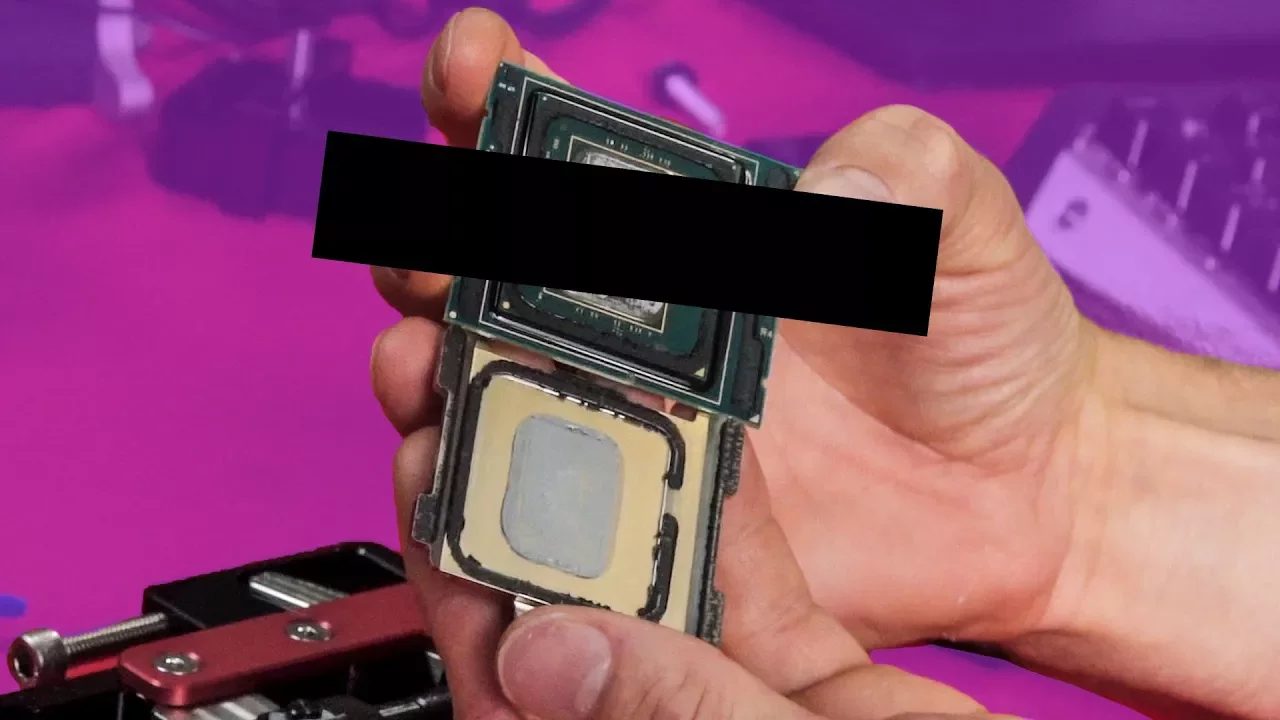
Delidding a high end CPU is framed as a high risk, high reward hardware experiment. The episode begins by revisiting the idea of removing the heat spreader, or IHS, from a modern processor and weighing warranty implications against potential cooling gains. The host introduces der8auer delidding tools and demonstrates their use on both LGA 1151 and the newer i9 7900X platform, spotlighting the mechanical process of splitting the IHS from the die. The narrative emphasizes the practical steps: mounting the CPU in the delid tool, applying torque to break the silicone seal, and then cleaning and reassembling with high quality thermal interface material. The first demonstration leads into the rationale for delidding, such as achieving better contact between the cooler and the die and reducing thermal bottlenecks imposed by stock TIM. Throughout, the host notes that delidding is not without risk, including potential warranty voidance and the precision required to realign components, setting up the later performance comparisons. The main takeaway from the early portion is that a delidded CPU can dramatically improve cooling, but success hinges on careful execution and patience during reassembly. The segment closes with a staged promise of performance data, while acknowledging the inherent danger and the specialized tools involved. The mid section shifts to empirical results and practical considerations, contrasting stock TIM with a high quality thermal compound like Thermal Grizzly, and explaining why this matters for modern Intel CPUs. The hosts show how to apply compound, re-seat the IHS, and clamp the assembly to cure, all while evaluating whether the gains justify voiding warranty. They then roll the dice on an overclocked test on the Core i9 7900X, using a dedicated deliding tool variant and a dramatic, hands-on demonstration of the force required to push the assembly into place. The dialogue balances humor and caution as they handle a thousand dollar chip and report the initial POST success, a moment framed as a validation that the CPU remained functional after aggressive handling. The results highlight notable temperature improvements versus stock cooling and reveal the nuanced reality that higher temperatures can still occur if the overclock is unstable. The segment culminates with a tense but triumphant display of a lower maximum temperature, followed by a restraint-heavy discussion about thermal protection and stability in light of a non-ideal overclock configuration. The practical conclusion drawn here is that delidding can substantially reduce thermal limits for enthusiasts who accept warranty risks, while real-world gains depend on cooler performance, paste quality, and meticulous reassembly. In the final stretch, the video synthesizes the experimental outcomes with a clear verdict: for those chasing every last drop of performance, delidding yields meaningful temperatures reductions and potential overclock headroom, but the approach is not mainstream and not without tradeoffs. The host emphasizes that the operation remains best suited for experienced hobbyists who can accept warranty denial, potential tool failure, and the possibility of non-functional hardware if executed imperfectly. They acknowledge that the prototype delid tool and adhesive silicone used in the build are not mass-market solutions, reinforcing that for typical users, avoiding warranty risks is prudent. The closing analysis reinforces that, compared to prior generations, modern CPUs still benefit from improved cooling strategies, yet Intel stock TIM can be a notable bottleneck even after delidding. The video ends with a practical caveat that the observed gains are hardware-specific and contingent on flawless execution, plus directs viewers to sponsor and product links for related gear. Overall the episode positions delidding as an extreme optimization path with tangible, but conditional, performance rewards.
Topics · hardware · technology · overclocking · performance · cooling · modding
Questions answered
- Is delidding worth the warranty risk on a high end CPU like the Core i9 7900X?
- The video suggests that delidding can yield meaningful cooling and overclocking benefits, but it recommends avoiding warranty voidance for most users given the risks and the prototype nature of the tools.
- What tools are used for delidding in this video?
- The der8auer Delid Mate 2 is demonstrated for LGA 1151, with a prototype delidding tool setup for the i9 7900X that uses a lever mechanism and hex screw to apply controlled force.
- What kind of performance gains were observed after delidding?
- The i7 7700K showed a 17 degree delta at 4.8 GHz with stable operation in one test, while the i9 7900X had a less stable overclock, but overall delidding reduced maximum temperatures compared to stock TIM and improved cooling efficiency.