The Most IMMERSIVE Setup I've EVER Seen - LED Wall Display Volume with Pixomondo
0 up · 0 down · 0 ratings
Promos
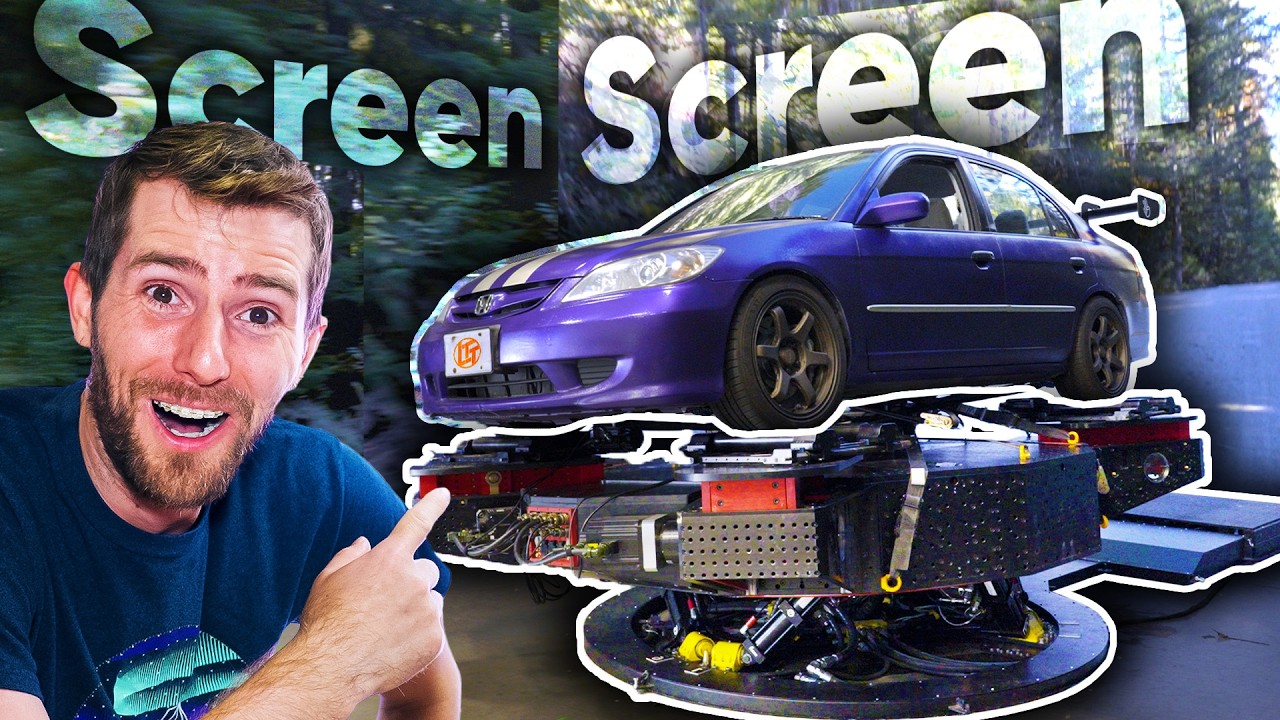
Step into fall ready with versatile, ultra-light Vessi Sneakers. Vessi claims they are fully waterproof, and they come with a 1-year warranty with 30-days of worry-free returns. Enjoy 15% off your first pair at vessi.com at checkout! Thanks to UGREEN for sponsoring this video! Check them out below: UGREEN MagFlow Magnetic Power Bank(33% OFF, use code MAGFLOW10) amzn.to UGREEN MagFlow on Amazon US(up to 33% OFF) amzn.to UGREEN MagFlow on Official Store(up to 33% OFF) ugreen.pxf.io Learn More about Pixomondo YouTube: youtube.com @pixomondo X (Twitter): x.com Instagram: @pixomondo Pixomondo is one of the leaders in virtual production techniques and they invited us to their facility to take a look at their crazy display volume, a platform that can spin an entire car, and so much more cool stuff. Discuss on the forum: linustechtips.com ► GET OUR MERCH: lttstore.com ► GET EXCLUSIVE CONTENT ON FLOATPLANE: lmg.gg ► GET A VPN: piavpn.com ► SPONSORS, AFFILIATES, AND PARTNERS: lmg.gg Purchases made through some store links may provide some compensation to Linus Media Group. Affiliate links powered in part by affilimate.com Linus Sebastian is an investor in Framework Computer, Inc CHAPTERS --------------------------------------------------- 0:00 Intro 1:39 The Display Volume 4:17 Gaming on it 6:52 The Panels 11:22 The Motion Platform 14:00 The Technodolly 25 15:11 The Servers 18:22 The Networking
The video opens with a sense of awe as Linus from Linus Tech Tips visits Pixomondo's Akira display volume, a cutting edge LED wall system used for virtual production. The hosts explain that the setup uses a modular LED array rather than traditional green screens, allowing on-set lighting to stay realistic and negating post production blue or green screen cleanup. They emphasize that the main back wall runs near 8K resolution, with top and side panels contributing substantial pixel density, delivering an incredibly immersive image when viewed up close. The presenters also highlight the practical implications, including how UE5 is used in-house to drive scenes and how the entire wall is designed to be configurable in scale and shape for different productions. The segment sets the stage for a hands-on exploration, including a gaming sample on the wall to demonstrate latency, input methods, and the feel of the immersive medium. The overall takeaway is that this is not just a display but a complete on-set system with dedicated hardware and software to support high-end film production and virtual environments.
Topics · technology · cinema and film production · virtual production · display technology · motion systems · hardware infrastructure
Questions answered
- What is a display volume and how does it benefit virtual production?
- A display volume is a large, wall-like array of LED panels that surrounds the scene to project immersive backgrounds and reflections. It enables on-set lighting to match the virtual environment, reduces post-production work for removing green screen artifacts, and allows real-time composition and camera tracking through game engine pipelines like UE5.
- What are the main components shown in Pixomondo Akira display volume setup?
- Key components include the LED panels forming the display volume, a high-end motion platform for vehicle and actor movement, the Techno Dolly robotic camera crane, a server room with multiple Nvidia GPUs and high-end CPUs, and an advanced network infrastructure with fiber links and 10 gigE switches to feed the panels.
- What are the trade-offs mentioned for using such a system?
- Trade-offs include high cost, potential seams between modular panels, input latency due to multi-processor processing, and the need for powerful hardware to drive high refresh rates and resolutions. There are also considerations about maintenance, heat, and the complexity of synchronization across hundreds of components.