How Do Scanners Work?
0 up · 0 down · 0 ratings
Promos
How do scanners convert words and pictures on a sheet of paper into a digital image? Freshbooks message: Head over to freshbooks.com and don’t forget to enter Tech Quickie in the “How Did You Hear About Us” section when signing up for your free trial. Techquickie Merch Store: designbyhumans.com Techquickie Movie Poster: shop.crowdmade.com Leave a comment with your requests for future episodes, or tweet them here: twitter.com Follow: twitter.com Join the community: linustechtips.com
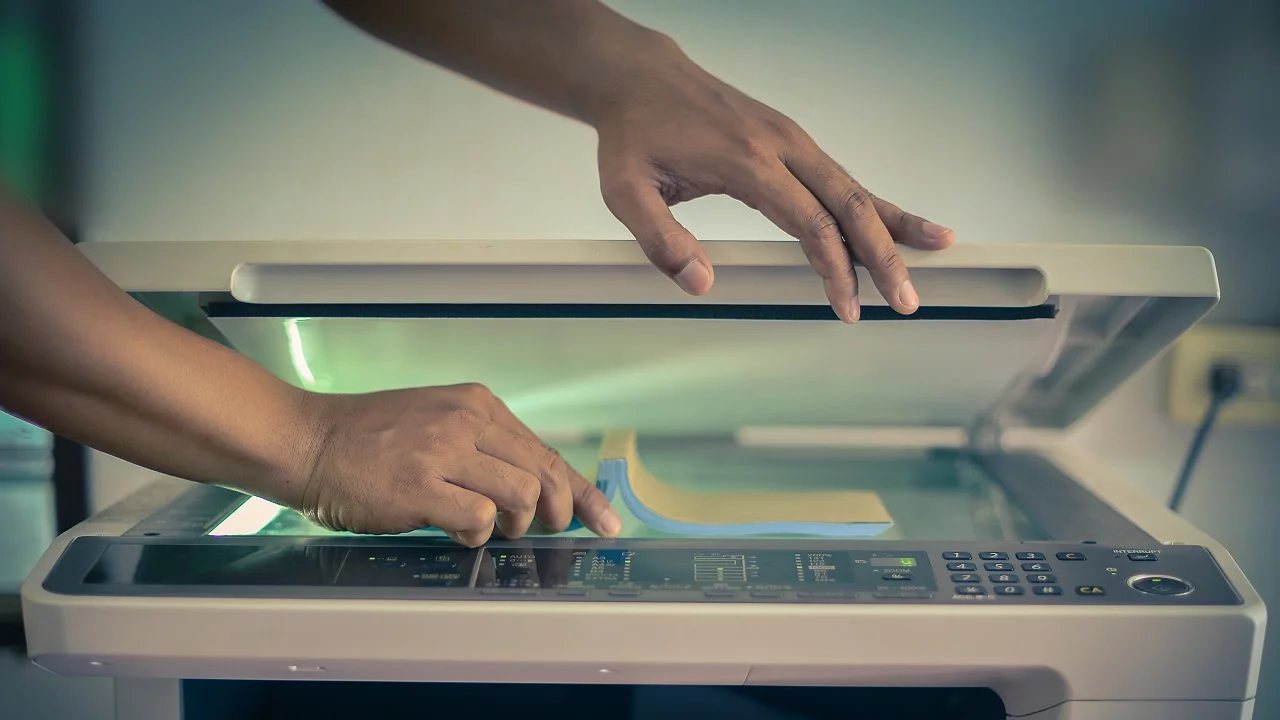
Paragraph 1: The video explains that most consumer scanners rely on a charge coupled device, or CCD, to determine what’s on a page by converting reflected light into an electrical signal that the computer can process as digital data. A bright light from inside the scanner, typically a Xenon lamp or a cold cathode, shines onto the document and the reflected light travels through mirrors and a lens to an array of CCD sensors. Darker parts of the page, such as text and images, reflect less light, which the CCD array records as differences that form an image on the computer screen. The speaker also notes that a scanner’s true resolution is set by the physical number of sensors on the CCD array, and warns viewers to verify that the hardware resolution on spec sheets reflects real capabilities rather than software interpolation. The idea is to distinguish genuine hardware performance from tricks that artificially inflate numbers through averaging nearby pixels.
Topics · Technology · Science · Computing hardware · Imaging
Questions answered
- What primary component do most scanners use to convert light into data, and how does it work on a basic level?
- Most scanners use a charge coupled device (CCD). Light from a built-in lamp reflects off the document, travels through mirrors and a lens to a CCD sensor array, which converts the light into an electrical charge and then into digital data that the computer can process.
- How is color information captured in scanners, and what affects color scan quality?
- Color scanning uses additional lenses and color filters to separate light into red, green, and blue channels, which are processed to determine actual colors. Some older models require multiple passes for color, making them slower, while modern scanners usually perform color in one pass.