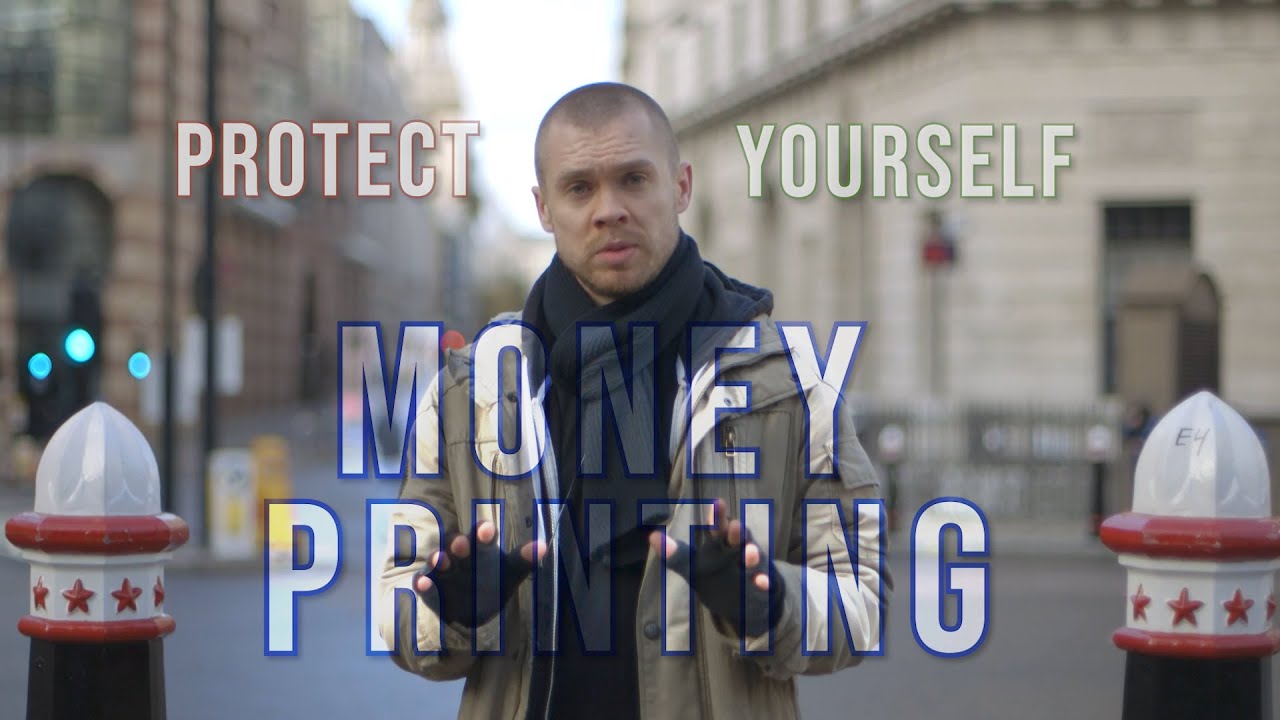
COVID-19 & MONEY: How to protect yourself from Money Printing
0 up · 0 down · 0 ratings
Channels and socials
The Bank of England printed £450,000,000,000 to deal with the Covid-19 crisis. This isn’t normal - the rich will get richer, ordinary people will end up poorer. Here’s what you need to know. This one is for all the people asking me how to protect their family finances in this crisis. There are things you can do, but ultimately, we can only protect everyone by dealing with the growing wealth inequality. SOCIAL MEDIA: WEBSITE - wealtheconomics.org TWITTER - @garyseconomics FACEBOOK - garyseconomics INSTAGRAM - garyseconomics Written, Performed & Produced by Gary Stevenson GARY'S ECONOMICS Shot, Edited & Directed by EQUALS @thisisequals - twitter.com original video - @755302605402566
The video explains how the Bank of England implemented large scale money creation to tackle the Covid-19 crisis and what that could mean for everyday people. It argues that this money printing, effectively financing government programs like furloughs and business support, was unprecedented in scale and reduces the nation's debt as if the government were borrowing from itself. The presenter emphasizes that the majority of newly created cash tends to flow to wealthier individuals who already hold financial assets, rather than evenly distributing benefits. As a result, there is a looming risk of devaluation, where the prices of goods, housing, and investments rise, eroding the purchasing power of those who keep cash or have fixed incomes. The discussion then pivots to practical steps for viewers, advising them to consider shifting savings from cash into assets like stocks, shares, and gold, and to contemplate property as a potential long-term security while acknowledging housing affordability challenges for ordinary families. Finally, the video frames money printing as a structural problem that exacerbates inequality, urging policy action such as taxing the wealthy to prevent a lasting economic stagnation and housing crisis. The overarching message is that without addressing underlying inequality, traditional safety nets may fail to protect middle and lower-income households over the coming decade. The author signals a call to action, inviting viewers to engage further through his website and social channels to learn more about safeguarding family finances. The narrative blends macroeconomic concepts with practical financial guidance, aiming to empower viewers to respond proactively to monetary policy changes. The tone is warning yet constructive, seeking to balance immediate personal finance tactics with a broader critique of economic systems. The analysis concludes by reiterating the urgency of addressing wealth concentration to ensure future financial stability for ordinary families.
Topics · economics · finance · personal finance · wealth inequality
Questions answered
- What is money printing and why does it matter for ordinary households?
- Money printing refers to the central bank creating new money to finance government spending. When the newly created money enters the economy, it can lift asset prices and risk devaluing cash holdings, particularly affecting people with fixed incomes or those who hold large cash balances.
- What can individuals do to protect themselves financially amid this monetary policy?
- Individuals can consider diversifying beyond cash into assets like stocks, shares, and gold, and potentially investing in property where feasible. The aim is to reduce cash exposure and participate in assets that may hedge against inflation and rising prices.