The Worst Hot Takes in Tech
0 up · 0 down · 0 ratings
Promos
You all should be sorry Previous hot takes: youtu.be Jimmy: @JxmyHighroller MKBHD Merch: shop.mkbhd.com Tech I'm using right now: amazon.com Intro Track: Playlist of MKBHD Intro music: goo.gl X Provided by X for review. ~ twitter.com @MKBHD @MKBHD
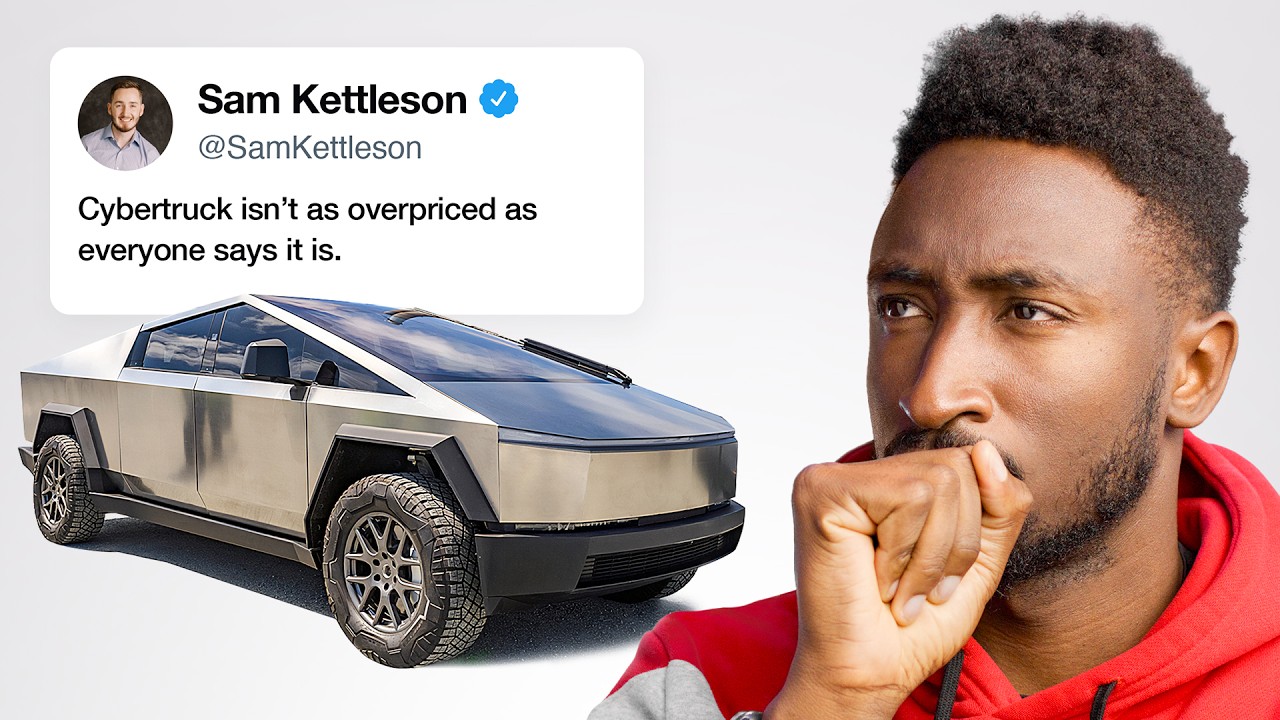
The video opens with a meta commentary on hot takes in tech, establishing the premise that controversial opinions thrive in online spaces while often carrying a grain of truth. The creator frames a series that tests whether these hot takes are truly good or just provocative, crediting a similar NBA hot takes concept for inspiration. The first major take tackles the Tesla Cybertruck, arguing that it isn’t inherently overpriced for what it promises but that the initial hype and later specifications created a perception gap. The analysis walks through the original on-stage specs versus current shipping numbers, highlighting the delta between promised performance and actual capabilities, and concludes that overhyping products before they ship can undermine otherwise exciting tech. The second major take discusses the iPhone Mini family, noting that the smaller form factor was loved by a niche but failed to outsell bigger models due to battery constraints and broader consumer preference for larger displays, despite strong historical sales for larger iPhone lines. The presenter emphasizes how consumer demand, battery trade-offs, and the popularity of larger-screen phones shaped Apple’s product strategy, ultimately arguing that the Mini’s underperformance was not solely about quality but about market fit and expectations. The third take centers on video aspect ratios, namely 4x3, arguing that while vertical video dominates social platforms today, there is still a nuanced debate about optimal capture formats that balance future VR, spatial video, and traditional viewing across devices. The host ties the discussion to practical shooting habits, including iPhone spatial video introduced in iOS 17.2 and the implications for horizontal versus vertical capture, while acknowledging that a single perfect ratio may not exist. The fourth take considers the hypothetical of Apple releasing a dedicated GPU, exploring the broader implications for the PC ecosystem, Apple’s historical approach to silicon and GPUs, and whether such a move would meaningfully disrupt the market. The segment also revisits Apple’s real achievements with Apple Silicon and the Mac ecosystem, concluding that while a proprietary GPU could be excellent for Apple devices, it would not necessarily spell doom for existing GPU makers across PCs. The video then critiques smartwatch battery life, arguing that a three-day or shorter life is increasingly seen as unacceptable by enthusiasts, yet acknowledges that consumer expectations are shaped by the multi-day battery life of popular watches and the ongoing push for better performance and features. The discussion broadens to battery life as a general industry standard, comparing smartphones and wearables, and drawing parallels to historical devices and evolving power efficiency. The host closes with an invitation for viewers to share more hot takes, continuing the playful, debate-friendly format and promising future installments. The overall tone is analytical yet approachable, blending specific technical references with everyday consumer experience to separate hype from credible critique.
Topics · technology · consumer-electronics · video-technology · wearable-technology
Questions answered
- Why does the Cybertruck hot take claim it is not overpriced for what you get, and how does delivery reality affect that view?
- The take argues that while the Cybertruck is expensive, the value depends on the unique capabilities and durability promised, such as the 800-volt architecture and steer-by-wire system. However, later specifications and actual shipping figures show reduced range and payload relative to the initial hype, creating a disparity between expectations and reality that can make the product feel overpriced to buyers who expected the original specs.
- What is the reasoning behind the iPhone Mini controversy and its market outcome?
- The argument is that the iPhone Mini was loved for its small form factor, but battery constraints and consumer preference for larger displays limited its sales. Apple ultimately discontinued the Mini and leaned toward larger models, suggesting market demand favored bigger screens even if the Mini had strong design and portability traits.
- Should vertical video be considered the default, and what are the implications for future media formats?
- The take notes that vertical video dominates social platforms today, which has shifted creator behavior and consumption patterns. Yet there is still merit in horizontally captured content for VR and spatial video. The speaker suggests a balanced or adaptable approach rather than a single universal format, recognizing evolving display technologies and platforms.
- Would an Apple-made dedicated GPU be a market disruptor, and is it likely?
- The host acknowledges it could be a premium, well-built product for Apple devices but argues that it would not realistically disrupt the broader PC GPU market because other vendors like Nvidia, AMD, and Intel dominate those ecosystems. The analysis leans toward skepticism about Apple entering the PC GPU space in a way that would outsell established GPU architectures.