Expensive Things That Are Now Cheap
0 up · 0 down · 0 ratings
Promos
Check out the DROP ENTR Mechanical Keyboard at dro.ps Many of the gadgets we take for granted these days were incredibly expensive when they first came out! Leave a reply with your requests for future episodes, or tweet them here: twitter.com ►GET MERCH: lttstore.com ►SUPPORT US ON FLOATPLANE: floatplane.com ►LTX EXPO: ltxexpo.com AFFILIATES & REFERRALS --------------------------------------------------- ►Affiliates, Sponsors & Referrals: lmg.gg ►Private Internet Access VPN: lmg.gg ►MK Keyboards: lmg.gg ►Nerd or Die Stream Overlays: lmg.gg ►Official Game Store: nexus.gg ►Amazon Prime: lmg.gg ►Audible Free Trial: lmg.gg ►Our Gear on Amazon: geni.us FOLLOW US ELSEWHERE --------------------------------------------------- Twitter: twitter.com Facebook: @LinusTech Instagram: @linustech Twitch: twitch.tv FOLLOW OUR OTHER CHANNELS --------------------------------------------------- Linus Tech Tips: lmg.gg Mac Address: lmg.gg TechLinked: lmg.gg ShortCircuit: lmg.gg LMG Clips: lmg.gg Channel Super Fun: lmg.gg Carpool Critics: lmg.gg
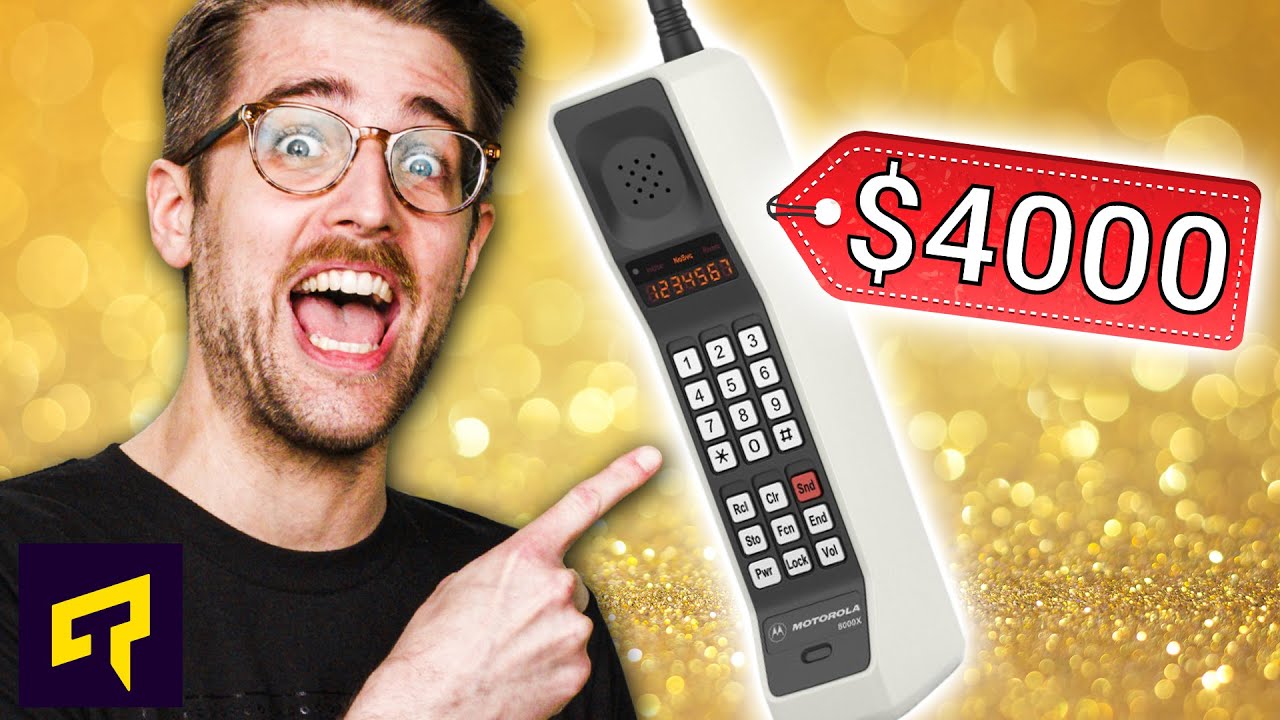
The video opens with a reflection on how human ingenuity leads to a paradox: as new, expensive devices enter the market, older technologies gradually become affordable for the masses. It starts by recounting the early days of mobile communication, highlighting the Motorola DynaTAC 8000X released when cordless landlines were gaining traction, costing about 3,995 dollars in its era, with a massive 10 inch form factor, two pound heft, and only about 30 minutes of talk time after a long 10 hour charge. It then contrasts this with the IBM Simon from 1993, the first true smartphone, which offered emails, a calendar, and predictive text, yet carried a price near 1,000 dollars and suffered from similarly poor battery life. The narrative continues by examining televisions, noting the RCA 630TS from 1946 at a price equivalent to over a thousand dollars today, with an 85 pound chassis and a modest 10 inch display. Moving forward, the video traces the transition to color TV, and the early plasma models from the 1990s, which cost around 15,000 dollars for large screens while delivering relatively low resolution, underscoring how production advances and new display technologies eventually pushed prices down. The segment closes by highlighting the dramatic drop in storage costs, from the era of 32 megabytes for roughly 100 dollars in 2000 to tens of cents per gigabyte in the present, and invites viewers to consider other items that have fallen in price, while teasing the Drop Entr keyboard as a sponsor. Throughout, the host emphasizes how affordability grows as manufacturing processes improve and economies of scale take hold, leaving room for future episodes to explore which technologies have become inexpensive and widely accessible.
Topics · Science & Technology · Technology History · Consumer Electronics · Economy & Market Trends · Digital Storage · Display Technology · Mobile & Wireless
Questions answered
- Why did early consumer tech cost so much and how did costs decline over time?
- Early consumer tech cost much due to limited production, high研发 costs, and small customer bases; costs declined as mass production, better manufacturing processes, and economies of scale arrived, driving prices down across devices like phones, televisions, and storage.