Undersea Internet Cables - Everything You Need to Know
0 up · 0 down · 0 ratings
Promos
Thanks to monday.com for sponsoring this video! Learn more about monday workdocs and sign up for a free month trial at hey.monday.com Undersea cables carry much of the world's internet traffic - but how are they protected from the elements, and why are we still putting cables on the ocean floor in a wireless world? Leave a reply with your requests for future episodes, or tweet them here: twitter.com ►GET MERCH: lttstore.com ►SUPPORT US ON FLOATPLANE: floatplane.com ►LTX EXPO: ltxexpo.com AFFILIATES & REFERRALS --------------------------------------------------- ►Affiliates, Sponsors & Referrals: lmg.gg ►Private Internet Access VPN: lmg.gg ►MK Keyboards: lmg.gg ►Secretlabs Gaming Chairs: lmg.gg ►Nerd or Die Stream Overlays: lmg.gg ►Green Man Gaming lmg.gg ►Amazon Prime: lmg.gg ►Audible Free Trial: lmg.gg ►Our Gear on Amazon: geni.us FOLLOW US ELSEWHERE --------------------------------------------------- Twitter: twitter.com Facebook: @LinusTech Instagram: @linustech Twitch: twitch.tv FOLLOW OUR OTHER CHANNELS --------------------------------------------------- Linus Tech Tips: lmg.gg Mac Address: lmg.gg TechLinked: lmg.gg ShortCircuit: lmg.gg LMG Clips: lmg.gg Channel Super Fun: lmg.gg Carpool Critics: lmg.gg
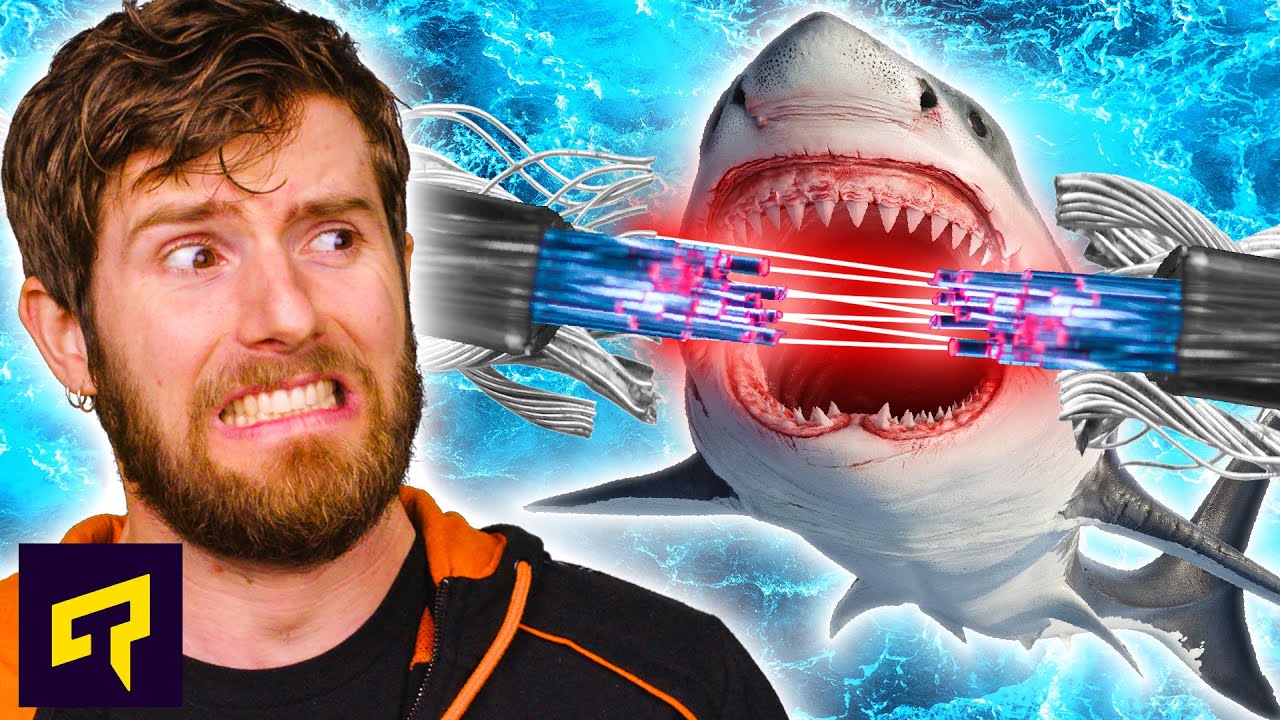
Undersea Internet Cables - Everything You Need to Know explains why the majority of the world’s internet traffic travels through submarine cables laid on the ocean floor and how these cables remain functional in a hostile marine environment. The video covers the scale of the global network, the engineering challenges of protecting delicate fiber optics from water pressure, corrosion, and fishing activity, and the methods used to bury or shield cables to prevent damage. It also delves into the historical context, noting the early telegraph cables and the evolution toward modern high-capacity transoceanic lines. The host lays out the tension between a wireless narrative of connectivity and the ongoing necessity of physical undersea cables for backbone bandwidth and reliability. Visuals and explanations highlight the layers of protection, from seabed burial to reinforced shielding, and explain why, despite wireless advances, fiber optic cables remain essential for fast, global data transfer. The segment transitions move from basic concepts to technical safeguards, then to historical milestones, culminating in the practical implications for internet infrastructure and everyday connectivity. The conclusion emphasizes that while wireless technologies are important, the ocean floor will continue to host critical cables that keep the internet resilient and scalable for years to come.
Topics · science technology · engineering · telecommunications · history