Amazon... more like SCAMazon - Fake SSDs
0 up · 0 down · 0 ratings
Promos
Visit squarespace.com/LTT use offer code LTT for a free trial & 10% off Create your build at buildredux.com At one point, Amazon was game changing and felt like the best place to shop online. Don’t have to worry about the scams and crappy quality on Ebay and Alibaba. But then something changed. Suddenly all you can find on the website is cheap garbage, or worse, complete scams. We take a look at one of the most prevalent scams on the platform, fake SSDs and hard drives. What do you get when you buy one of these, and how do they keep getting away with it? Discuss on the forum: linustechtips.com Buy a SanDisk 1TB Extreme Portable SSD: geni.us Buy a SABRENT 8TB Rocket 4 Plus NVMe PCie M.2 SSD: geni.us Buy FEEL2NICE Apple MFi Certified 10ft iPhone Chargers (Pack of 5): geni.us Purchases made through some store links may provide some compensation to Linus Media Group. ► GET MERCH: lttstore.com ► LTX 2023 TICKETS AVAILABLE NOW: lmg.gg ► GET EXCLUSIVE CONTENT ON FLOATPLANE: lmg.gg ► SPONSORS, AFFILIATES, AND PARTNERS: lmg.gg ► OUR WAN PODCAST GEAR: lmg.gg FOLLOW US --------------------------------------------------- Twitter: twitter.com Facebook: @LinusTech Instagram: @linustech TikTok: @linustech Twitch: twitch.tv MUSIC CREDIT --------------------------------------------------- Intro: Laszlo - Supernova Video Link: youtube.com iTunes Download Link: itunes.apple.com Artist Link: soundcloud.com Outro: Approaching Nirvana - Sugar High Video Link: youtube.com Listen on Spotify: spoti.fi Artist Link: youtube.com Intro animation by MBarek Abdelwassaa @mbarek_abdel Monitor And Keyboard by vadimmihalkevich / CC BY 4.0 geni.us Mechanical RGB Keyboard by BigBrotherECE / CC BY 4.0 geni.us Mouse Gamer free Model By Oscar Creativo / CC BY 4.0 geni.us CHAPTERS --------------------------------------------------- 0:00 Intro 1:37 What we Got 6:48 Going inside 9:45 How The Scam Works 12:08 How they get away with it 15:07 Why Amazon Can't Stop It 18:58 Outro
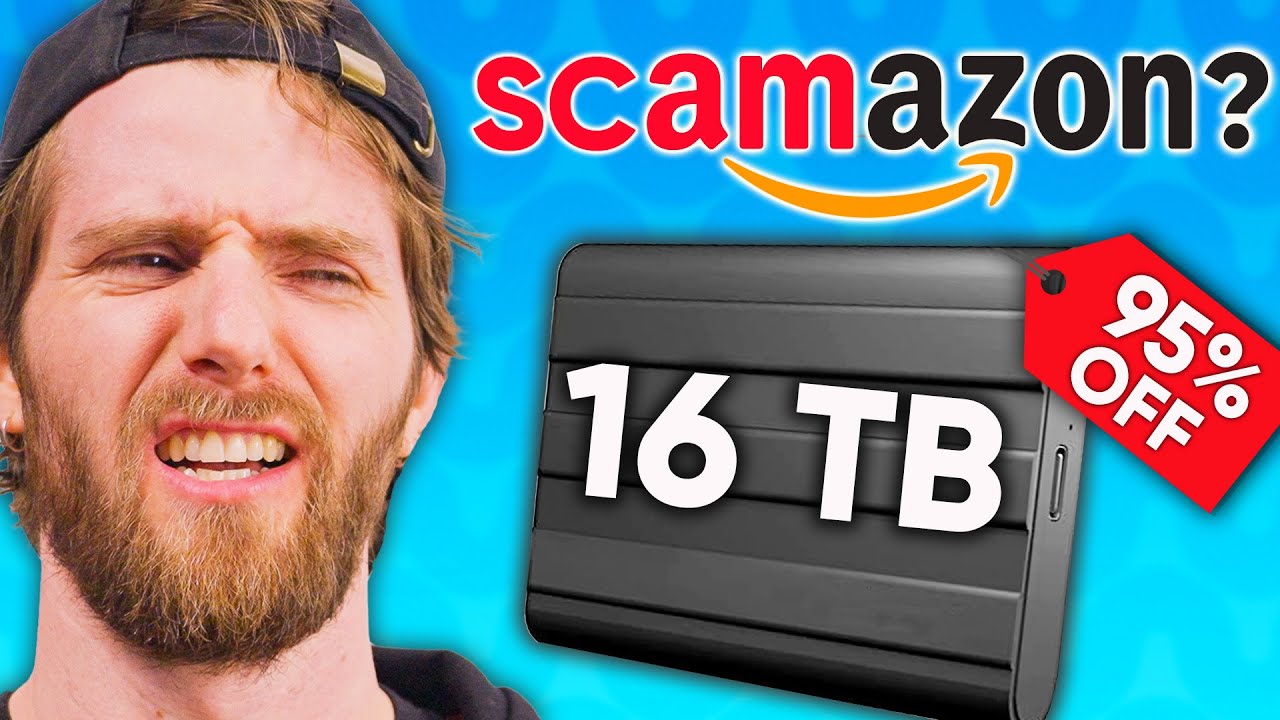
Amazon has shifted from being a trusted online marketplace to a platform where counterfeit and misleading electronics frequently appear in search results. The video opens with a stark example: a purported 16 terabyte SSD offered for an alarmingly low price, highlighting how such listings can look convincing at first glance due to multiple positive reviews and Prime shipping. The hosts dissect a two terabyte USB 3.1 portable drive from a brand with no recognizable pedigree, revealing a product page that promises USB-C compatibility but delivers something functionally limited to USB 2.0 speeds. They demonstrate how superficial cues like color coding, packaging, and marketing blur the line between legitimate and fake hardware, and they show the frustrations buyers face when trying to verify what they purchase after opening the box. During the first deep dive, the hosts physically inspect the devices, peeling back glue, examining controllers, and attempting to read and write data. The results are revealing: both drives are slow, misrepresented in capacity, and built with cheap components that fail to meet advertised specifications. One drive is shown to pretend to be two terabytes by manipulating firmware and data layout, making the device appear to hold significantly more data than it actually does. The video then transitions into a broader look at Amazon’s marketplace dynamics, explaining how scammers exploit gaps in the platform, including misrepresented product data, review manipulation, and the review merging tactic that preserves the appearance of legitimate customer feedback while disguising a scam. A substantial portion of the analysis focuses on why Amazon struggles to eliminate these scams. The hosts discuss the economics and logistics that let scams persist: the cost to chase every small operation versus the potential refunds and brand damage from removing legitimate sellers, the use of firmware hacks to dupe hardware capabilities, and the practice of simulating legitimate demand through coordinated fake reviews. They explain the technique of review merging, where sellers repurpose existing listings with new product information while keeping old reviews, effectively gaming search rankings and sponsored placements. The discussion extends to how scammers use ever-changing shell companies and gibberish brand names to dodge trademarks and platform controls, making enforcement difficult. In closing, the hosts offer pragmatic advice for consumers: trust, but verify, and stay vigilant against deals that seem too good to be true, while acknowledging the practical limitations of platform-wide anti-scam measures and calling for smarter protections rather than perfect solutions. The video also pivots to a sponsor segment and practical tips for viewers, emphasizing how to set up new builds efficiently and affordably with builder services. The takeaway is clear: while counterfeit hardware on major marketplaces is a systemic issue, informed shopping practices, deeper verification of product details, and improved marketplace safeguards are essential to reducing scams and protecting consumers. The hosts reiterate the key message that if something looks too good to be true, it might well be a scam, and urge viewers to use thorough testing and return windows to protect themselves while platforms work to close the gaps that scammers exploit.
Topics · technology · consumer_electronics · ecommerce · fraud
Questions answered
- What is the primary scam demonstrated in the video?
- The video demonstrates fake solid state drives and counterfeit storage devices advertised at unrealistically low prices, with misleading capacity and slow performance, designed to defraud buyers on Amazon.
- How do scammers manipulate product listings to look legitimate?
- Scammers use fake reviews, review merging to preserve positive feedback, price manipulation, and misleading product images and specifications to create the illusion of real demand and legitimate products.
- What should a consumer do to protect themselves when shopping for SSDs on large marketplaces?
- Verify product specifications independently, test the device within the return window, read multiple reputable reviews, look for consistent brand names and official trademarks, and be wary of unusually large capacity claims at very low prices.
- Why is it difficult for Amazon to fully stop these scams, according to the video?
- Because pursuing every scam is costly and may disrupt legitimate sellers, scammers use firmware hacks, brand-name confusion, review manipulation, and constantly create new shell companies to evade enforcement and refunds.