What Is Right To Repair?
0 up · 0 down · 0 ratings
Promos
Do you really own what you buy? And why is it so damn hard to repair your phone? The new Waveform channel: youtube.com 0:00 Right To Repair Intro 3:27 They Want Control 8:08 Anti-Right To Repair 12:45 What's Happening in Tech 18:03 Conclusion The Right to Repair Movement: repair.org Farmers hacking their John Deere tractors: youtu.be Louis Rossmann: youtube.com Simone Giertz Truckla: youtu.be MKBHD Merch: shop.mkbhd.com Tech I'm using right now: amazon.com Intro Track: Jordyn Edmonds smarturl.it Playlist of MKBHD Intro music: goo.gl ~ twitter.com @MKBHD @MKBHD
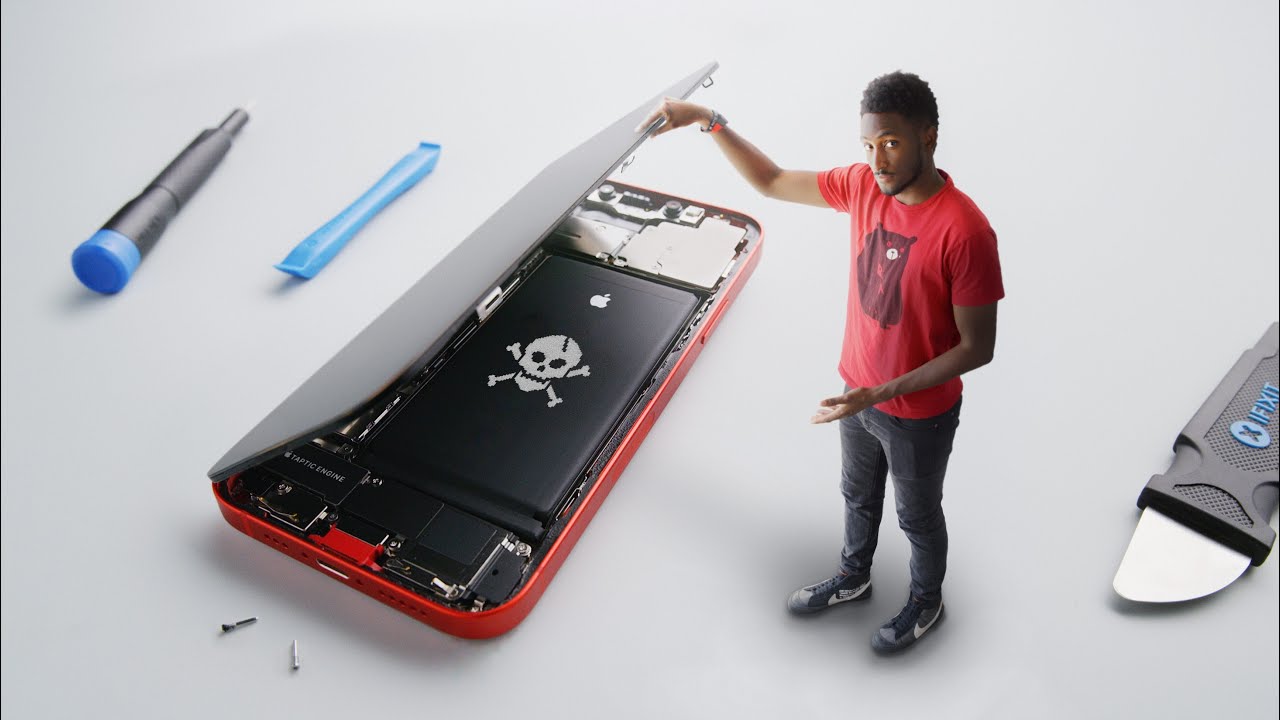
What Is Right To Repair? begins with a simple question about ownership: when you buy something, do you truly own it and have the freedom to modify or repair it as you wish, even if there are built in limits for safety or policy reasons? The host uses everyday examples like cars and printers to illustrate how ownership carries constraints, such as speed limits for cars or money printing restrictions for printers. The core discussion centers on the right to repair, arguing that users should be able to fix the devices they own, especially when only a part of the device is broken and the rest remains functional, saving money and reducing e-waste. The episode then shifts to the opposing side, detailing how manufacturers, exemplified by Apple, seek to retain control over ecosystems, accessories, and service channels. The narrative describes concepts like the MFi program, certified repair shops, and the legal and logistical barriers that can discourage independent repair, painting a picture of a system designed to protect profits and brand integrity at the potential expense of consumers. The discussion broadens to include other major players like John Deere and Tesla, highlighting how software, anti repair policies, and restricted access to parts or diagnostic tools can lock out owners and small shops. The host transitions to a nuanced view that while tighter integration and advanced tech create safer products, they also raise the threshold for repair, making some fixes economically or technically infeasible for most people. The concluding segment synthesizes two main ideas: repair should be possible and affordable, but technology’s progress is also driving complexity that makes repairs harder; the solution lies in well crafted legislation that preserves consumer rights without compromising safety. The video also teases a broader waveform podcast episode and credits contributors like Louis Rossmann and Simone Giertz, inviting viewer engagement and debate on a future where right to repair can coexist with advanced, highly integrated devices.
Topics · technology · consumer rights · environment · policy · ethics · automotive technology · manufacturing
Questions answered
- What is the central tension in right to repair debates?
- The tension is between consumer rights to repair and modify devices they own, and manufacturers' efforts to control repairs, ecosystems, and access to parts and diagnostics.
- Why is repairability seen as environmentally beneficial?
- Repairability extends the life of devices, reduces e waste, and can enable second hand use or incremental upgrades instead of throwing away functional devices.
- How do companies like Apple or Tesla restrict repairs?
- They restrict access to official parts, documentation, or service channels, and may impose certification requirements or software/firmware controls that prevent independent repairs.
- What is the potential safety argument against open repairs?
- Manufacturers claim restricted access helps prevent dangerous modifications and protects users from harm due to complex, high risk components.
- What resolution is suggested for the right to repair movement?
- Well written, well considered legislation that preserves repair opportunities and competition without compromising safety or product integrity.