How Accurate are "Minimum System Requirements?"
0 up · 0 down · 0 ratings
Promos
Most games and other programs list "minimum requirements" for your PC, but are they really accurate? Squarespace link: Visit squarespace.com and use offer code TECHQUICKIE to save 10% off your first order. Techquickie Merch Store: designbyhumans.com Techquickie Movie Poster: shop.crowdmade.com Follow: twitter.com Leave a reply with your requests for future episodes, or tweet them here: twitter.com Join the community: linustechtips.com Intro Theme: Showdown by F.O.O.L from Monstercat - Best of 2016 Video Link: youtube.com iTunes Download Link: itunes.apple.com Listen on Spotify: open.spotify.com
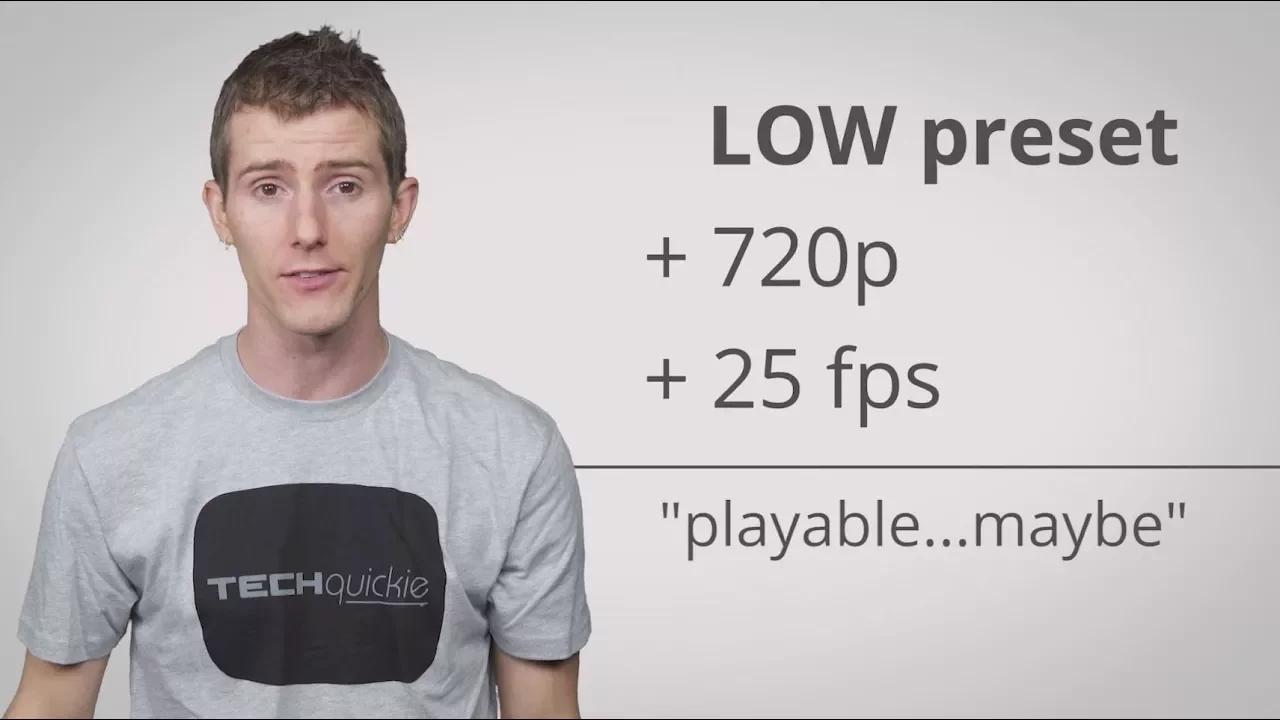
The video explains why the commonly listed minimum system requirements for PC games barely tell the whole story of how a game will actually perform on a given setup. It emphasizes that some games are coded in ways that require older hardware to support specific graphics instructions, which can render the experience unplayable even if a system technically meets the listed minimum. The host also notes that some developers intentionally set higher minimums to guarantee a smooth experience for most players on the target platform, such as with VR or other design goals, which can mislead consumers about what their hardware can realistically deliver. In contrasting minimum and recommended specs, the video argues there is no universal standard for what “recommended” means, and shows how different games can push different bottlenecks, from GPU features to processor threads. Viewers are encouraged to use independent benchmarks to gauge what performance is possible at various settings rather than blindly trusting labeled specs. The takeaway is a practical approach to buying decisions: determine your acceptable frame rate and visual quality, then consult benchmarks for your preferred games to decide whether an upgrade is worth the cost. Finally, the host suggests that a well-chosen midrange system can deliver a satisfying experience without overspending, and that additional spend should be guided by concrete performance goals rather than fear of missing out on the latest hype.
Topics · gaming · technology · education · hardware · consumer-advice