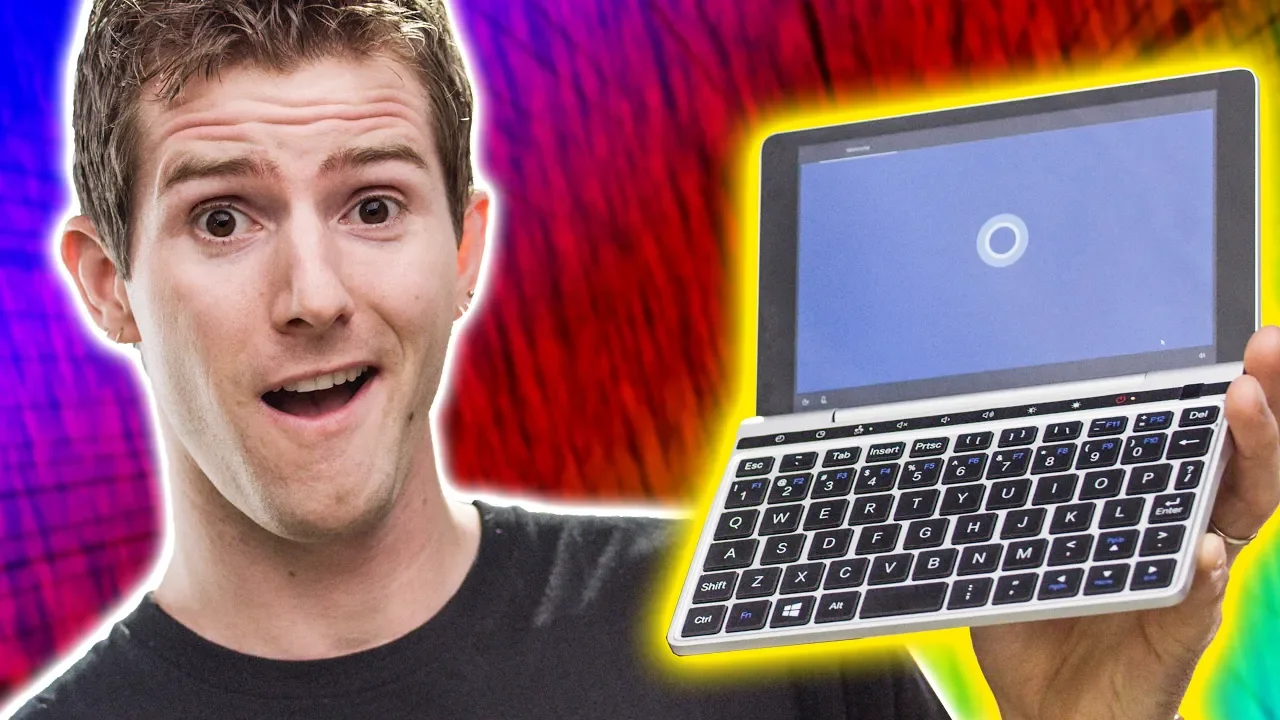
Powerful PC in your POCKET
0 up · 0 down · 0 ratings
Description
Sign up for Private Internet Access VPN at privateinternetaccess.com
Check out ORIGIN PC’s New EVO15-S, powered by NVIDIA GeForce GTX 1070 Max-Q, and their latest specials here: bit.ly
Promos
Check out the GPD Pocket2 Indiegogo: geni.us Buy GPD Pocket 1 on Amazon: geni.us Discuss on the forum: linustechtips.com Our Affiliates, Referral Programs, and Sponsors: linustechtips.com Linus Tech Tips merchandise at designbyhumans.com Linus Tech Tips posters at crowdmade.com Our Test Benches on Amazon: amazon.com Our production gear: geni.us Twitter - twitter.com Facebook - @LinusTech Instagram - @linustech Twitch - twitch.tv Intro Screen Music Credit: Title: Laszlo - Supernova Video Link: youtube.com iTunes Download Link: itunes.apple.com Artist Link: soundcloud.com Outro Screen Music Credit: Approaching Nirvana - Sugar High youtube.com Sound effects provided by freesfx.co.uk
Powerful PC in your POCKET examines the GPD Pocket 2, a compact, crowdfunded mini PC intended to pack laptop-like functionality into a pocketable form. The video opens with unboxing context, noting the engineering sample status and outlining changes in ergonomics and performance compared to the original Pocket. The host walks through physical changes, including new USB-C and USB-A ports, removal of micro HDMI in favor of a dongle-centric setup, and the shift to a unibody aluminum chassis. A key focus is the redesigned keyboard and input method, replacing the nipple-style track point with a textured surface and built-in left and right click options in the top corners, which significantly alters how you interact with the device. The host also highlights storage expansion via a microSD slot, the added cooling approach, and the general industrial design that aims to improve usability in a device that remains pocket-sized. Performance discussions center on the move from Atom-based cores to Haswell-era CPUs and the implications for real-world use. The Pocket 2 integrates a core m3 7y30 processor with 4 GB of RAM, a 128 GB base storage option, and cooling hardware including a single radiator and pipe, with a 1900 by 1200 display. Benchmarks pit the Pocket 2 against the original Pocket and a Surface Go, showing a clear performance uplift due to higher turbo clocks and larger L3 cache, while acknowledging that it is not a gaming laptop. The video demonstrates practical performance by running Cinebench tests and noting that the Pocket 2 can sustain more robust performance than its predecessors, though still behind mainstream desktop CPUs from a decade ago in raw terms. The host tests usability for light photo editing and general productivity when connected to peripherals via USB-C to Ethernet, highlighting the trade-offs between portability and expandability. Despite the limited raw power, the device is portrayed as a flexible pocket-sized workstation, suitable for travel and on-the-go work where a traditional laptop would be impractical. The reviewer comments on the display brightness, battery life, noise from the cooling fan, and the reduced footprint compared to larger laptops, making a case for the Pocket 2 as a “mobile desktop” option when paired with adapters and external peripherals. The video discusses potential use cases, such as remote editing or light Photoshop tasks, with the caveat that the experience is not perfect and compromises exist around input accuracy and overall usability. The conclusion suggests the Pocket 2 is a notable step forward for ultra-mobile computing, capable of delivering a portable, functional computing experience for power users, and anticipates successful crowdfunding and adoption similar to previous GPD projects. The sponsor segments and affiliate links are acknowledged, reinforcing the video’s role within Linus Tech Tips as both a reviewer and platform for related hardware partnerships. In sum, Powerful PC in your POCKET provides a thorough look at the GPD Pocket 2, emphasizing hardware refinements, input method redesign, modest gaming capability, and the device’s strength as a portable productivity tool rather than a game machine. The host balances enthusiasm for the concept with clear notes on remaining limitations, including keyboard ergonomics and the reliance on adapters for complete desktop-like functionality. The narrative ultimately positions the Pocket 2 as a compelling option for enthusiasts who value extreme portability and real-world usefulness over raw performance. Viewers are left with a cautious optimism about crowdfunding-driven hardware delivering on its promises, especially as GPD and similar products continue to iterate on the form factor and feature set.
Topics · technology · hardware · portable_computing · crowdfunding · laptops · consumer_electronics
Questions answered
- What processor powers the GPD Pocket 2 and how does it affect performance?
- The Pocket 2 uses a Haswell-class core m3 7y30 CPU, which provides better performance than the original Pocket but remains far from traditional laptops in raw power; turbo boosts help close the gap, and it handles light productivity and certain retro or older games decently.
- What are the key design changes that affect usability in the Pocket 2?
- Key changes include a unibody aluminum chassis, a new input method with a textured surface and built-in left and right click areas, the removal of micro HDMI in favor of a dongle approach, and a reworked keyboard layout that prioritizes portability over traditional key spacing.