Can Automotive Coatings Protect Your Smartphone?...
0 up · 0 down · 0 ratings
Promos
Receive an additional $25 credit for Ting today when you sign up at linus.ting.com Get iFixit's NEW Mahi Driver Kit today for only $29.99 USD at ifixit.com You've probably heard about ceramic coating a car to protect it's paint, but what if you tried to ceramic coat a smartphone? Buy Ceramic Coating: On Amazon (PAID LINK): geni.us Purchases made through some store links may provide some compensation to Linus Media Group. Discuss on the forum: linustechtips.com Our Affiliates, Referral Programs, and Sponsors: lmg.gg Get Private Internet Access VPN at lmg.gg Get a Displate Metal Print at lmg.gg Get a 30-day free trial of Amazon Prime at lmg.gg Linus Tech Tips merchandise at lttstore.com Our Test Benches on Amazon: amazon.com Our production gear: geni.us Come see us at LTX 2020: ltxexpo.com Twitter - twitter.com Facebook - @LinusTech Instagram - @linustech Twitch - twitch.tv Intro Screen Music Credit: Title: Laszlo - Supernova Video Link: youtube.com iTunes Download Link: itunes.apple.com Artist Link: soundcloud.com Outro Screen Music Credit: Approaching Nirvana - Sugar High youtube.com
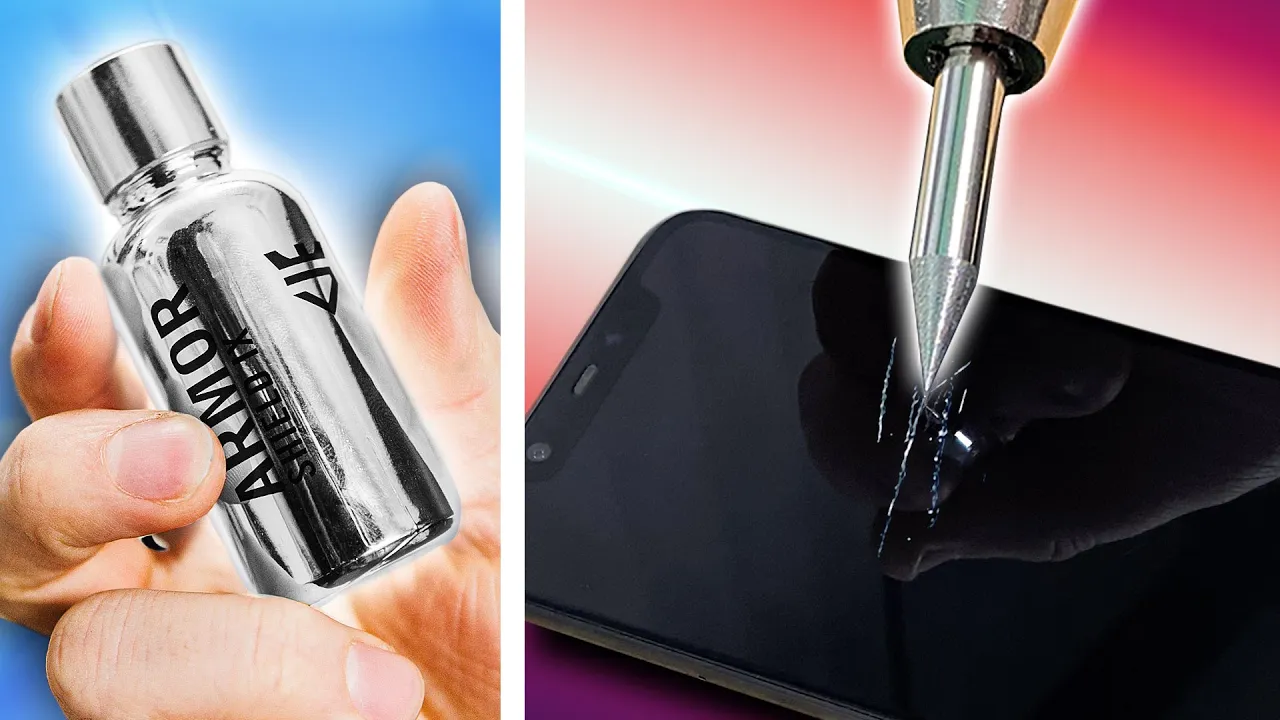
The video opens by addressing a familiar automotive claim, explaining the hype around ceramic coatings and their 9H hardness rating. The host breaks down the basic science behind what these coatings do: after application and curing, they form a semi permanent layer that fills pores in the surface, creating a smoother finish and making dirt and water bead off more readily. The host then pivots to a practical experiment, applying a ceramic coating to half of a smartphone screen to see if the protection translates from car paint to mobile glass, while noting the limited implications of an oleophobic coating that phones already have. The testing setup includes a DIY approach with alcohol cleaning, a Mi 8 phone as a stand‑in for a modern device, and both front glass and back panel tests. After a curing period, the tester compares beading behavior, ease of cleaning, and scratch resistance using Mohs‑scale style scratch picks, revealing that the coating provides only limited improvement in scratch resistance. They acknowledge the thinness of the coating and contrast it with older liquid armor products, observing that the coating is not easily scratched off but also not as hard as diamond in practical terms. In the conclusion, the video emphasizes the main takeaway: the coating might improve initial cleanliness and ease of wipe‑down, but it does not deliver diamond‑like scratch protection on smartphone glass, and the cost and effort may not be justified for casual phone protection. The sponsor plugs are integrated with practical notes about how the coating’s cure time and method interact with real world usage, and the host invites viewers to consider the value of alternative protections and service plans while showing how the findings were obtained. Overall, the video blends curiosity with a cautious verdict about repurposing car ceramic coatings for smartphones, ending with a reminder that consumer expectations should align with what the coating can reliably deliver.
Topics · science_and_technology · consumer_electronics · material_science · product_testing
Questions answered
- Do ceramic coatings protect smartphone glass from scratches according to the video?
- The video shows limited scratch protection from the coating; while the coated area beads water more readily and remains cleaner, it does not dramatically improve scratch resistance versus uncoated glass.
- What does 9H hardness mean in this context and how does it relate to Mohs hardness?
- 9H is a pencil hardness rating used by several coating manufacturers and is not the same as Mohs hardness. On Mohs, coatings tested as 9H pencils may still be relatively soft, and the video explains the difference between these scales.
- How long should the coating cure before use, and what should be avoided during curing?
- The video notes at least 48 hours of initial drying and advises avoiding washing or exposing the surface to water for 4 to 7 days to ensure proper curing.