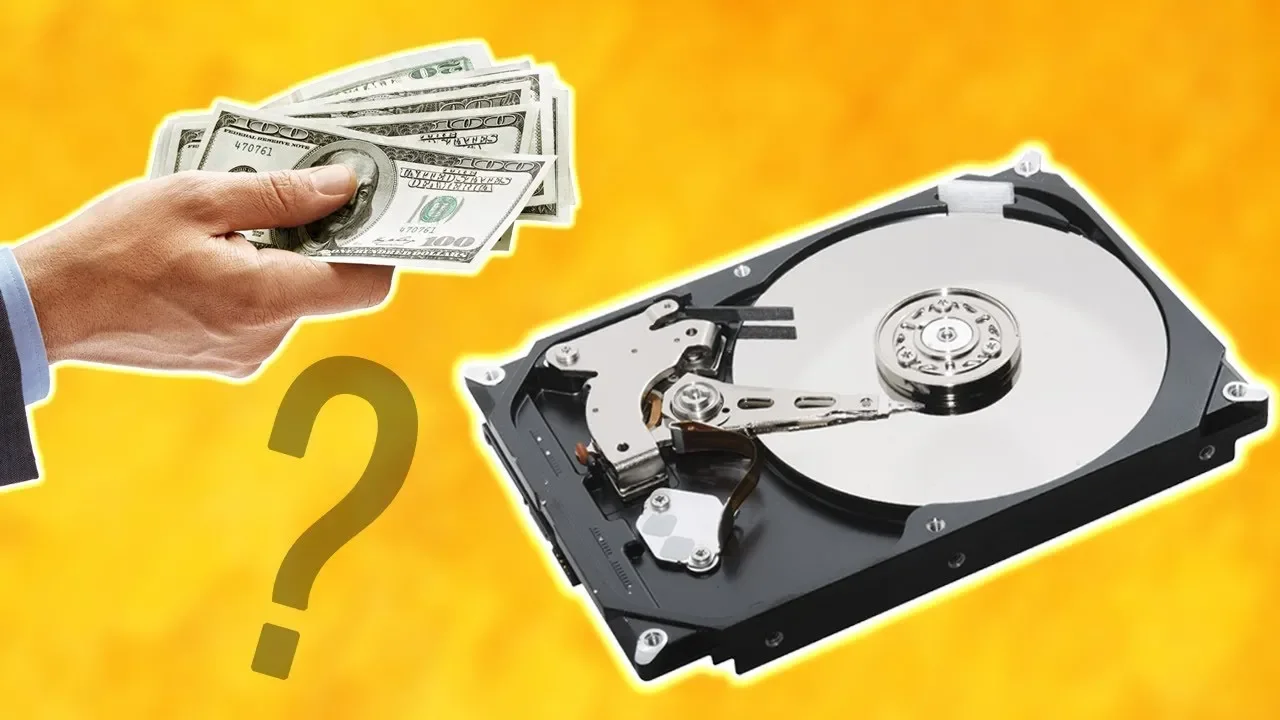
Hard Drives Are NOT All The Same
0 up · 0 down · 0 ratings
Promos
Sign up for Private Internet Access VPN at lmg.gg There's a lot more that separates different hard drives than how much they hold... Techquickie Merch Store: designbyhumans.com Techquickie Movie Poster: shop.crowdmade.com Follow: twitter.com Leave a reply with your requests for future episodes, or tweet them here: twitter.com Join the community: linustechtips.com Intro Theme: Showdown by F.O.O.L from Monstercat - Best of 2016 Video Link: youtube.com iTunes Download Link: itunes.apple.com Listen on Spotify: open.spotify.com
Hard drives come in a range of designs that affect more than just capacity. The video explains that spindle speed, measured in rpm, is a key factor in how quickly data can be read or written, but other design choices also matter for performance and reliability. It details how NAS and enterprise drives are built to handle 24/7 operation in dense server environments, with stabilization features that attach the motor to both the top and bottom of the drive housing to reduce vibration from nearby spinning disks. The discussion continues with how high-end drives use more precise actuators, stronger magnets, and narrower read/write heads to improve accuracy and resilience to shocks, enabling larger safe margins between data tracks. Additional mechanisms like sensors for shock, vibration, and temperature help drives adjust head positioning in real time to maintain performance under demanding workloads. The video also notes that for typical home use, consumer-grade drives are often sufficient, especially if the workload doesn’t involve constant, heavy write operations. It then contrasts different drive types, including surveillance and shingled magnetic recording drives, highlighting how firmware optimizations tailor drives to specific tasks such as multi-stream data handling or archival writing. In closing, the host suggests that for most home NAS setups, a balance of performance, capacity, and price will guide the choice, and cautions that the strongest value may come from selecting drives intended for the intended workload rather than chasing the fastest single-spec spec sheet.
Topics · technology · hardware · storage · computers