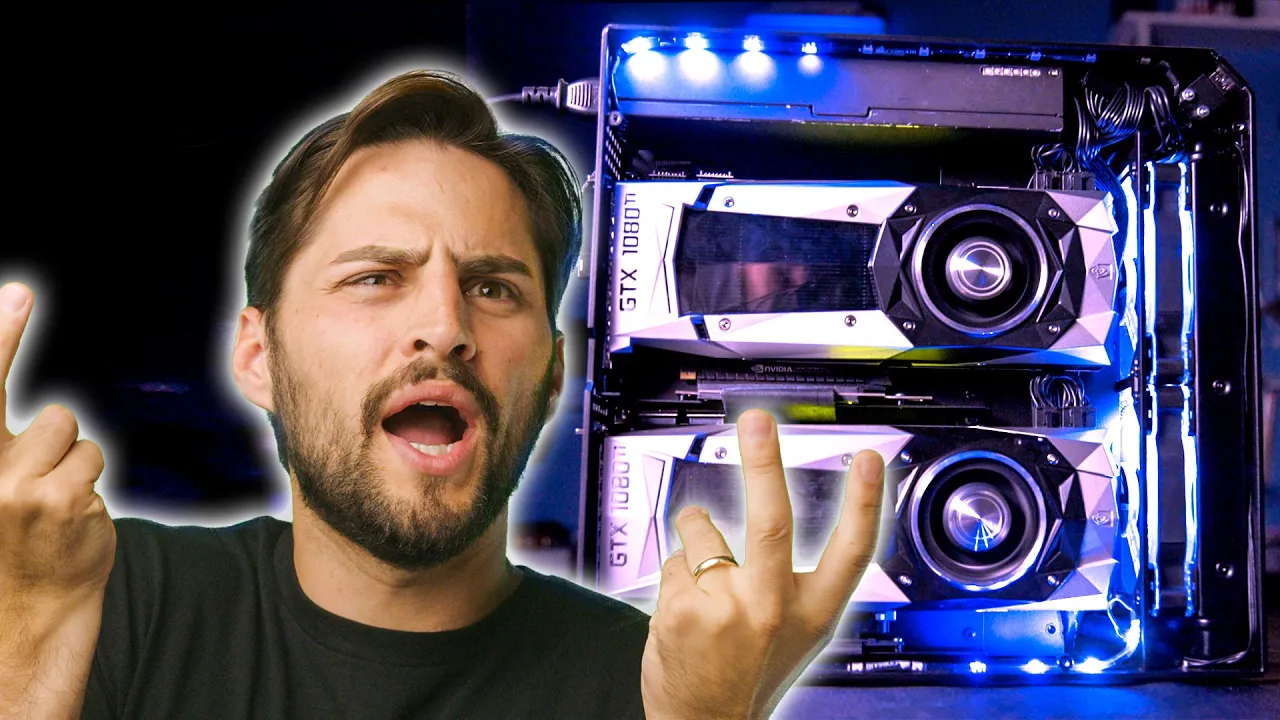
Are SLI and Crossfire DYING?
0 up · 0 down · 0 ratings
Promos
Get an unrestricted 30-day free trial of FreshBooks at freshbooks.com Why have multi-GPU systems seen a sharp decline in popularity? Linus Tech Tips Merch Store: lttstore.com Follow: twitter.com Leave a reply with your requests for future episodes, or tweet them here: twitter.com
The video opens by recalling a time when multi-GPU setups were a hallmark of high-end gaming rigs, offering the ability to push high settings, resolutions, and frame rates. It then explains that by 2019, SLI and Crossfire had become less common, and several technical hurdles contributed to their decline. A major issue is alternate frame rendering, where each GPU renders every other frame, which can cause micro stutter and synchronization problems between cards. Additionally, advanced anti-aliasing methods that depend on data from previous frames can break or degrade when used with multi-GPU configurations. The video notes that newer APIs like Vulkan and DirectX 12 grant developers more control over multi-GPU workloads, but most developers are reluctant to invest the extra effort since only a small fraction of players use these setups. As GPUs have become more powerful, the perceived value of multi-GPU scaling diminishes for the average gamer, especially since many titles run well on a single modern card at common resolutions like 1080p. The host concludes that while enthusiasts still admire 4K, ultra-wide, and multi-monitor setups, the market’s demand for multi-GPU configurations remains small and largely niche, making a strong case for investing in a second GPU less compelling for most users.
Topics · technology · gaming-hardware · graphics
Questions answered
- Why have multi-GPU configurations fallen out of favor in gaming?
- Multi-GPU setups suffer from micro-stutter, frame delivery inconsistencies, and driver/API complications that make scaling unreliable and developers reluctant to optimize for it, reducing practical gains for most players.
- Do newer APIs like Vulkan and DirectX 12 improve multi-GPU support?
- They give developers more control over multi-GPU workload distribution, but still require significant effort and not all games implement it, leading to inconsistent or limited benefits for players.