Undervolt Your Fans the Janky Way - Easy 7V Molex Mod Guide Tutorial Linus Tech Tips
0 up · 0 down · 0 ratings
Description
Want a silent PC experience? Fans can be loud. This will help you undervolt them to make them quieter. CA: ncix.com US: us.ncix.com
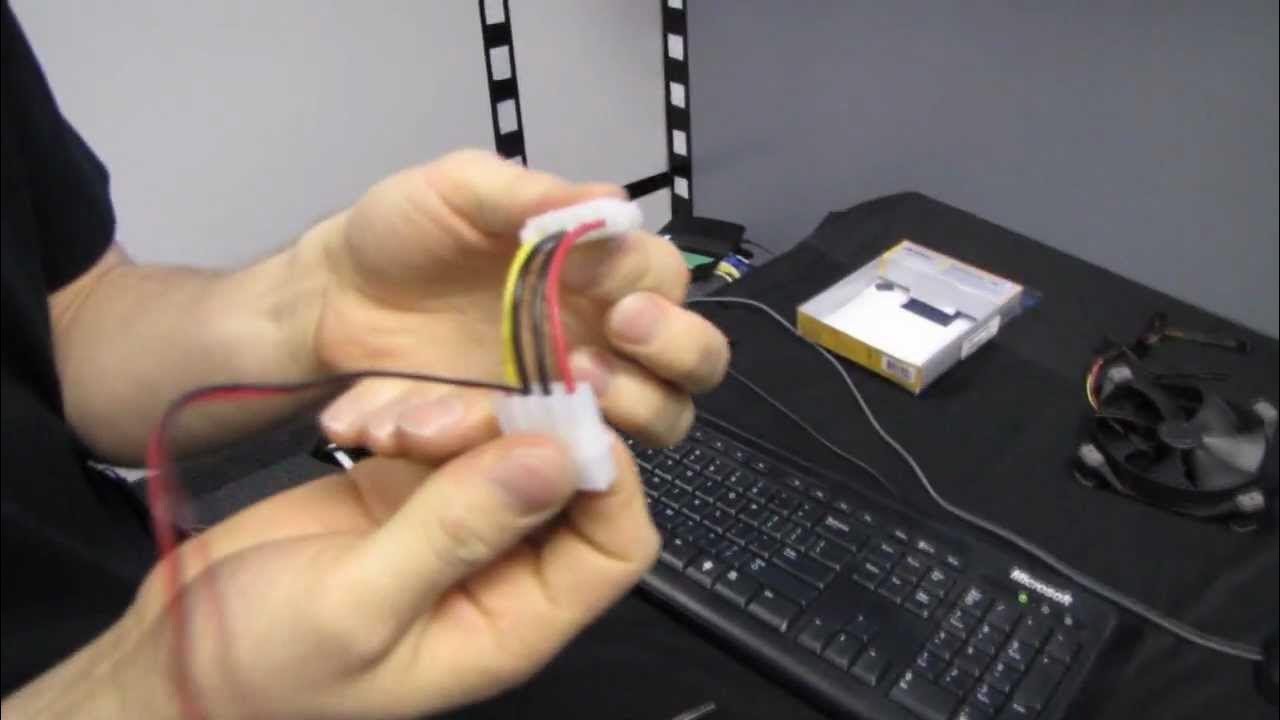
The video demonstrates a low-cost, hands-on method to quiet computer fans by undervolting through a repurposed Molex connection. The hosts walk through converting a standard four-pin Molex power connector to a three-pin setup by depinning and rearranging the two power rails so that a 7-volt supply is delivered to the fan. They explicitly describe the voltage relationship: the yellow wire carries 12 volts, the black wire is ground, and by tying the 12-volt line to the 5-volt line, the fan effectively receives seven volts, reducing rotational speed and noise. The host emphasizes safety concerns, noting that such a modification should not be used for devices like hard drives and that wiring alterations can be dangerous if miswired. The tutorial acknowledges that this is a makeshift solution and includes practical tips such as bending and re-flaring pins with a needle to ensure a secure connection, and warns viewers to cover or label the improvised adapter to avoid accidental plugging. Throughout, the presenters frame the mod as a quick, potentially risky hack to achieve quieter cooling in an environment where stock noise is unacceptable, while also sharing personal experiences with similar, older hardware hacks. The segment closes with a reminder that this approach creates a 7V fan adapter that blends convenience with caution, highlighting that it should not be used as a long-term standard for power delivery.
Topics · hardware_hacking · pc_hardware · electronics_tutorial · diy · modding
Questions answered
- What exactly is happening when you connect the 12V line to the 5V line to achieve 7V for the fan?
- By tying the 12V rail to the 5V rail, the fan effectively experiences the voltage difference between them, which is 7V, reducing speed and noise compared to 12V. This is a makeshift approach and should be used with caution because it bypasses standard wiring protections.