The CHEAPEST PC Case on the Market
0 up · 0 down · 0 ratings
Promos
Check out the HIFIMAN HE4XX Planar Headphones over at Massdrop: dro.ps When we couldn't fit what we wanted in the cheapest case, some modding was in order. Get inspired to chop things up by watching Roadkill: youtu.be Buy the CORSAIR ONE on Amazon: geni.us Buy the CORSAIR ONE on Newegg: geni.us Buy a NH-D15 Amazon: geni.us Newegg: geni.us Discuss on the forum: linustechtips.com Our Affiliates, Referral Programs, and Sponsors: linustechtips.com Linus Tech Tips merchandise at designbyhumans.com Linus Tech Tips posters at crowdmade.com Our production gear: geni.us Twitter - twitter.com Facebook - @LinusTech Instagram - @linustech Twitch - twitch.tv Intro Screen Music Credit: Title: Laszlo - Supernova Video Link: youtube.com iTunes Download Link: itunes.apple.com Artist Link: soundcloud.com Outro Screen Music Credit: Approaching Nirvana - Sugar High youtube.com Sound effects provided by freesfx.co.uk
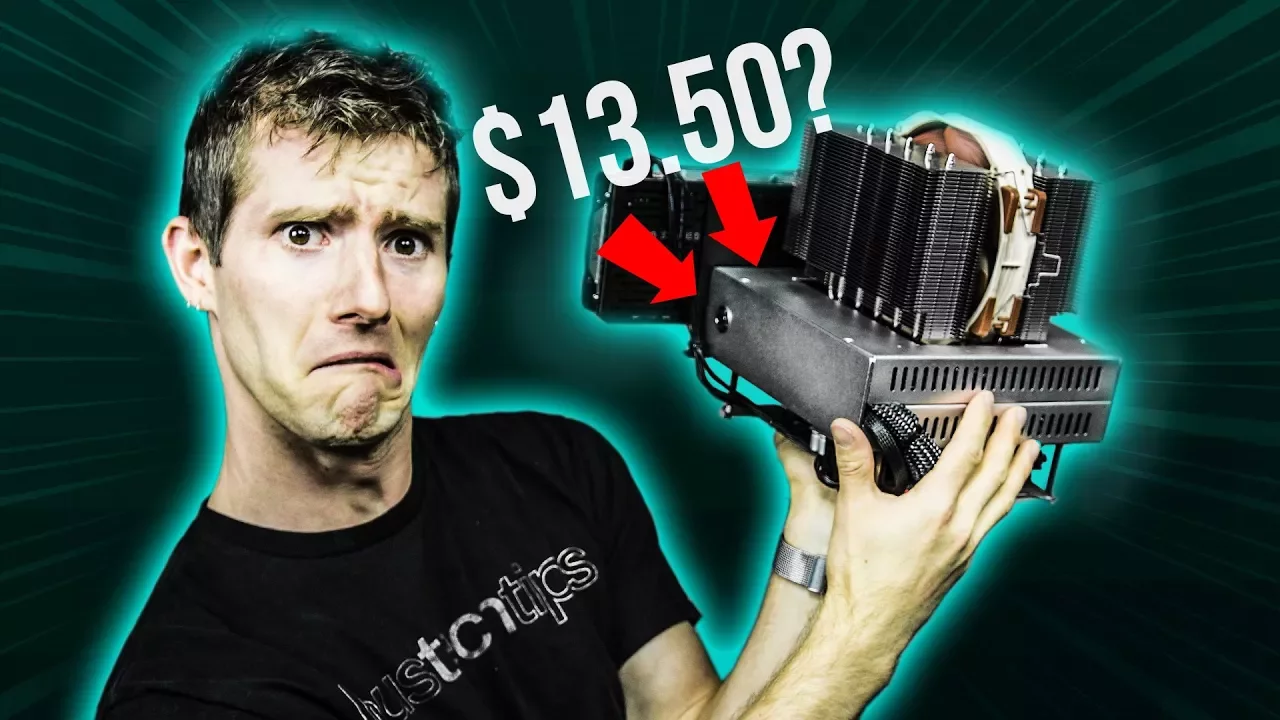
The video investigates what happens when you try to stuff a very low cost PC case, priced around $13, into a functional computer build. The hosts immediately acknowledge that the tiny chassis is impractical for a full high-power system, noting its limited space, lack of a proper power supply mount, and the overall awkward constraints of assembling a modern rig in such a tiny enclosure. They experiment with a pico power supply and a temporary four-pin cable hack, and attempt to run a Core i7-7700K with aggressive underclocking to fit within the budget constraints. After a series of misgivings about stability and power delivery, they pivot to a hands-on modification plan, using a grinder and calipers to trim the case and to create mounting points for a GPU and drives. The narrative moves from skepticism to progress as the open-air, improvised setup begins to take shape, with careful reassembly, cable management work, and testing that demonstrate the limits of the concept. In the end, the hosts reflect that while the finished product clearly does not represent typical PC builds, the result is surprisingly functional and visually striking, highlighting the extent to which a very cheap case can be repurposed for a high-end hardware configuration. They emphasize the fun and learning in the process, even if the project is more about experimentation than a practical, market-ready solution, and they acknowledge the playful, open-ended nature of the challenge as a notable takeaway from the episode.
Topics · technology · diy_maker · computer_hardware · modding
Questions answered
- What was the approximate cost of the case used in the build and how did it influence the project decisions?
- The case cost about $13 plus shipping, which heavily influenced the project by necessitating extreme lightweight modifications and limited expectations for power delivery and thermal performance.
- What hardware did they attempt to fit into the ultra cheap case, and what compromises were required?
- They attempted to fit a GTX 1080 and an Intel Core i7-7700K, but had to underclock the CPU, disable cores, and use improvised power solutions to make it work within the cramped space.