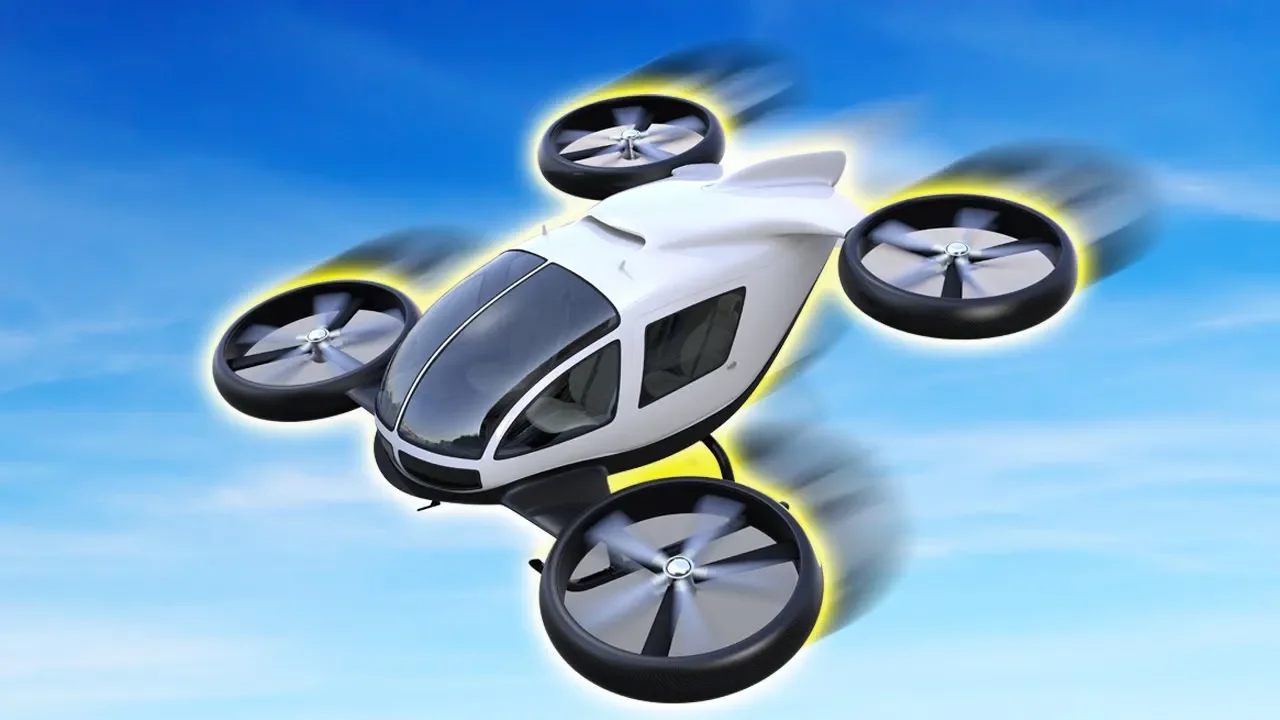
Passenger Drones Explained
0 up · 0 down · 0 ratings
Promos
Squarespace link: Visit squarespace.com and use offer code TECHQUICKIE to save 10% off your first order. Here's a look at some current passenger drone projects. Could they become a popular form of short-range travel in the near future? Techquickie Merch Store: designbyhumans.com Techquickie Movie Poster: shop.crowdmade.com Follow: twitter.com Leave a reply with your requests for future episodes, or tweet them here: twitter.com Join the community: linustechtips.com Intro Theme: Showdown by F.O.O.L from Monstercat - Best of 2016 Video Link: youtube.com iTunes Download Link: itunes.apple.com Listen on Spotify: open.spotify.com License for image used: creativecommons.org
Passenger Drones Explained discusses the concept of using small, air-based vehicles for short trips within cities, comparing passenger drones to flying cars and helicopters. The video explains that passenger drones are built specifically for air travel and typically rely on vertical takeoff and landing instead of wheels, enabling operation without traditional airstrips or landing pads. Safety is addressed through different design approaches: some projects are remotely piloted from a command center, such as the EHang 184 which has no passenger controls inside, while others are designed to be autonomous with onboard sensors that manage speed, balance, and altitude. The host notes that autonomous designs could reduce the need for a human pilot, but acknowledges regulatory and safety hurdles that could delay wide adoption. The discussion highlights current capabilities and limits, such as EHang’s 10 mile or 23 minute flight certification and competitors like Uber and Airbus exploring air taxi concepts with varying passenger capacity and range. The video also touches on the potential impact on urban mobility, including possible congestion relief and the various political and legal obstacles before these drones become mainstream. In closing, the presenter emphasizes that while passenger drones may not replace conventional cars, they could provide a new backbone for urban travel as technology improves and regulations evolve, possibly taking a foothold in select markets first.
Topics · technology · aerospace · urban-transport · autonomous-systems
Questions answered
- What distinguishes passenger drones from traditional flying cars?
- Passenger drones are purpose-built for air travel with vertical takeoff and landing capabilities, and many designs minimize or eliminate the need for wheels or airstrips, enabling takeoff from confined areas.
- What are the main safety approaches mentioned for passenger drones?
- Safety approaches include remote piloting from a control center (eg, EHang 184) and fully autonomous operation with onboard sensors to monitor speed, balance, and altitude, though regulatory and safety hurdles remain.
- What are some current limitations of passenger drone technology?
- Limitations include flight duration and range constraints, potential noise, air traffic management challenges, need for regulatory approval, and questions about redundancy and reliability in case of component failures.