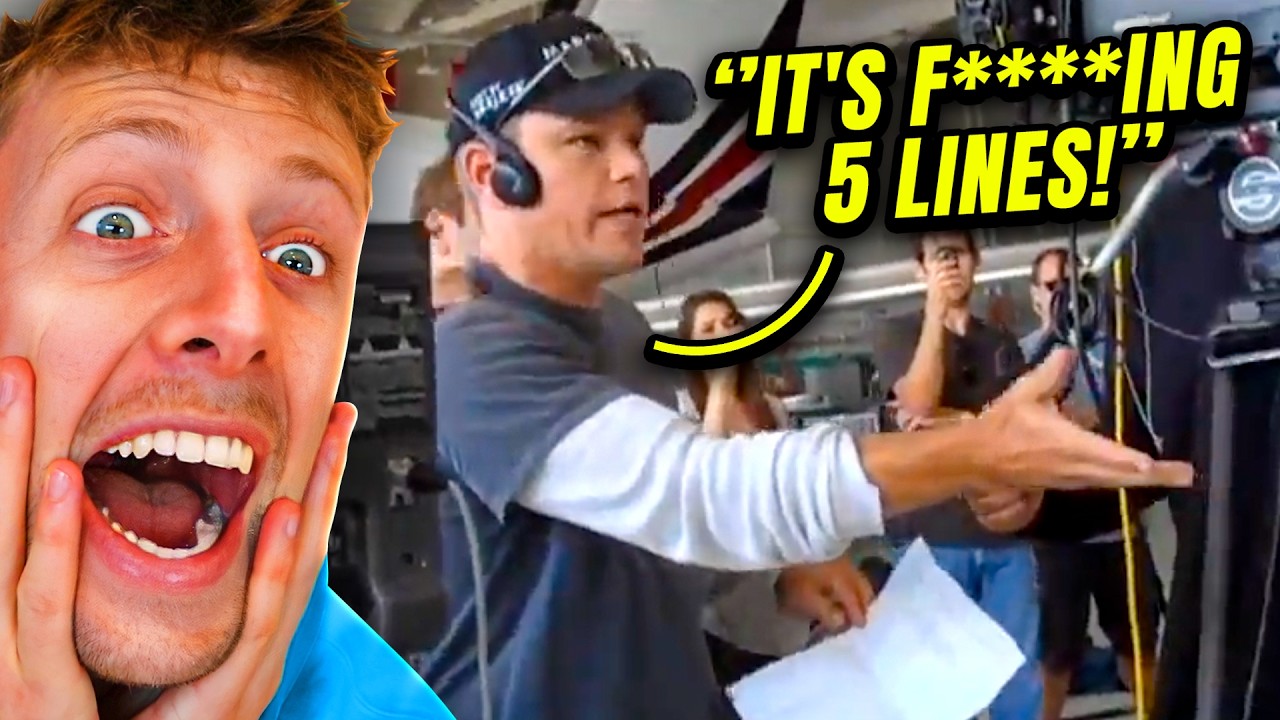
Biggest Movie Set Meltdowns Caught on BTS Cameras
0 up · 0 down · 0 ratings
Channels and socials
What should we react to? Tell us here: forms.gle : Order food NOW at: eatsides.com : Access exclusive content at: sideplus.com : XIX Vodka: xixvodka.com : Subscribe to our Reacts Channel: youtube.com
: Sidemen Clothing: sidemenclothing.com Subscribe to our 2nd Channel: youtube.com : Sidemen Instagram: @Sidemen : Sidemen Twitter: twitter.com #SidemenReacts #Reacts
The video presents a compilation of behind the scenes moments from movie sets where actors and crew experience meltdowns, clashes, and high tension, all captured on BTS cameras. The hosts introduce the concept by acknowledging the intense, high-stakes environment of film production, where deadlines, egos, and creative differences can push people to emotional extremes. They discuss several clips, debating whether the moments are genuine or staged, and they weigh the possibility of PR stunts versus real on-set friction. Early on, they explore the dynamic between a director, a lead actor, and the crew, emphasizing how pressure and long shooting days can escalate small conflicts into dramatic outbursts. As the discussion progresses, they reflect on the human side of filmmaking, noting the importance of keeping morale up while maintaining professional boundaries, and they draw connections to broader industry realities like job insecurity and the cost of delays. The hosts close with a mixed takeaway: while the meltdowns make for compelling viewing, they also underscore the demanding nature of movie production and the resilience required to complete a film on time. The second segment centers on specific reactions to chaotic on-set moments and the ethical questions around broadcasting conflicts. The hosts examine the tension between realism and entertainment, agreeing that some moments feel authentic due to the palpable stress and improvised nature of many shoots. They discuss the potential for misinterpretation when viewers only see a short clip, and they consider how context, timing, and production culture influence audience perception. The conversation shifts to the roles of stars and crew members in managing crises, including how producers, insurance, and networks might respond to repeated disruptions. They also acknowledge the appeal of candid, unscripted content while acknowledging the gray area between a genuine meltdown and a performative moment. Throughout, they tease the idea of what audiences want to see from the movie-making process and how that shapes future productions. In the third portion, the panelists weigh individual clip analyses against broader career implications for those on set. They discuss famous temperaments and how big-name actors might influence crew dynamics, sometimes creating a high-pressure atmosphere that can trigger conflicts. The dialogue touches on the balance between tough love and professionalism, and when yelling or confrontation might cross into unprofessional behavior. They also reflect on the real-world consequences for the people behind the camera, including job security and reputation within the industry, and whether a single moment can define a career. The commentary returns to the idea that film sets are high-stakes workplaces where communication, risk, and timing are critical. Viewers are reminded that even widely admired productions rely on teamwork and delicate negotiations to move from one take to the next. The closing thoughts reiterate the complexity of judging on-set behavior from outside, and the hosts invite further discussion about what constitutes acceptable conduct on a blockbuster set. The final section offers a reflective wrap-up about the nature of filmmaking as an art and a business. The hosts acknowledge that while some moments are entertaining, they can also reveal the darker side of a highly visible industry. They compare the on-set meltdowns to other high-pressure environments and consider how public scrutiny compounds the stress of performers and crew. The discussion highlights the economic realities of cinema, including investor expectations, deadlines, and the ripple effects of delays. Some clips are framed as valuable teaching moments about professional conduct, while others are treated as cautionary tales about the fragility of a production schedule. The video ends on a balanced note, praising the performers' craft while recognizing that burnout and friction are real aspects of creating large scale entertainment. They thank the audience and tease more reaction content in the Sidemen Reacts lineup, inviting viewers to weigh in on which moments felt most authentic versus staged.
Topics · entertainment · film_industry · behind_the_scenes · reaction_video
Questions answered
- What qualifies as a movie set meltdown and how reliable are BTS clips for judging on-set behavior?
- A movie set meltdown shown in BTS clips is typically a visible clash of egos, stress, or conflict during filming. Reliability varies; context is essential, as clips capture moments out of full production context and can be staged or edited. Viewers should consider production pressures, team dynamics, and whether the clip represents a recurring issue or a one-off incident.
- Do the hosts offer insights into how to handle on-set conflicts professionally?
- Yes, the hosts balance recognizing high pressure with advocating for professional conduct. They discuss boundaries, the impact of fear or anger on performance, and the importance of communication, while noting the economic and reputational stakes for everyone on set.