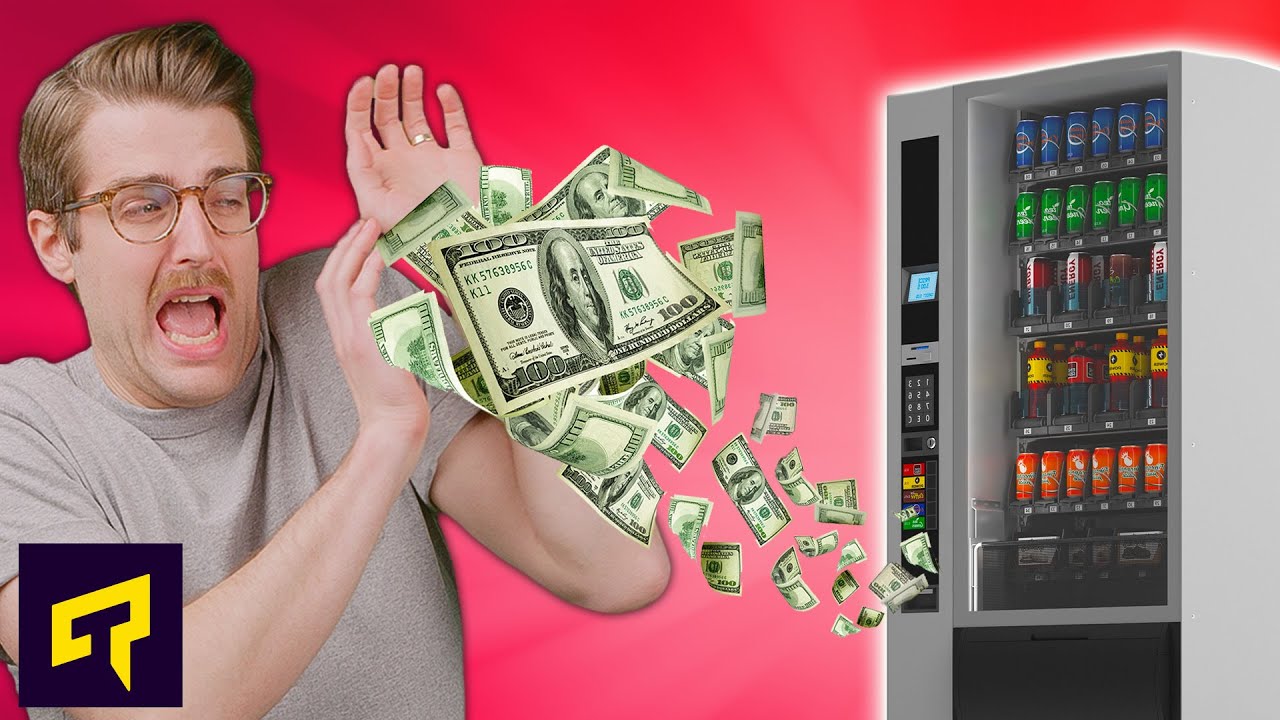
Why Vending Machines Spit Your Dollar Out
0 up · 0 down · 0 ratings
Promos
Visit brilliant.org to get started learning STEM for free, and the first 200 people will get 20% off their annual premium subscription. All you want is a snack (albeit, an expensive one), but the machine REFUSES to take your dollar. This is why it's so complicated for vending machines to take your dirty money. Leave a reply with your requests for future episodes, or tweet them here: twitter.com ► GET MERCH: lttstore.com ► AFFILIATES, SPONSORS & REFERRALS: lmg.gg ► PODCAST GEAR: lmg.gg ► SUPPORT US ON FLOATPLANE: floatplane.com FOLLOW US ELSEWHERE --------------------------------------------------- Twitter: twitter.com Facebook: @LinusTech Instagram: @linustech TikTok: @linustech Twitch: twitch.tv
The video explains why vending machines often reject dollar bills, tracing the problem to the evolution of bill acceptors. It starts by describing the long-standing goal of machines to reliably validate cash, noting that early designs used magnetic heads similar to cassette players to scan ink patterns on notes. Those magnetic readers could become dirty from the enormous number of bills passing through, which caused misreads and jams. The host compares this to other unreliable hardware, highlighting that older designs required pressing the head against the bill, smearing dirt and increasing the chance of a paper jam. Modern readers have improved, using touchless or lightly-contact methods, but dirt, shifting currency designs, and variable maintenance still lead to rejections, especially when currency is redesigned or machines are infrequently serviced. The video then discusses how new sensors, automatic adjustments for dirt buildup, and the use of optical validation help machines cope with dirty money, but even these systems have limitations such as sensitivity settings and occasional counterfeit detection. It concludes that while technology has made bill acceptors much better, they remain imperfect, and in some contexts like cash-heavy environments one-dollar coins could avoid many of these issues. Viewers are left with a sense that the money validation problem is a stubborn mix of aging hardware, software configuration, and maintenance practices, rather than a solved engineering puzzle.
Topics · science & technology · technology · automation
Questions answered
- Why do most vending machines still reject some dollar bills even with modern technology?
- Because bill acceptors rely on sensors that can be hindered by dirt, wear, and currency redesigns, and while newer readers automate dirt compensation and use optical validation, maintenance gaps and sensitivity settings can still cause rejections.
- What advances have reduced money rejection in vending machines?
- Advances include sensors that don’t require physical contact, automatic dirt compensation by increasing light intensity, and more robust validation methods that work with various money types, though all systems still need routine servicing and currency updates.
- Are dollar coins a viable workaround for this problem?
- Yes, in some contexts, using one dollar coins can avoid many issues because coins are less prone to the same slot and sensor problems as paper money, though coin acceptance varies by country and machine design.