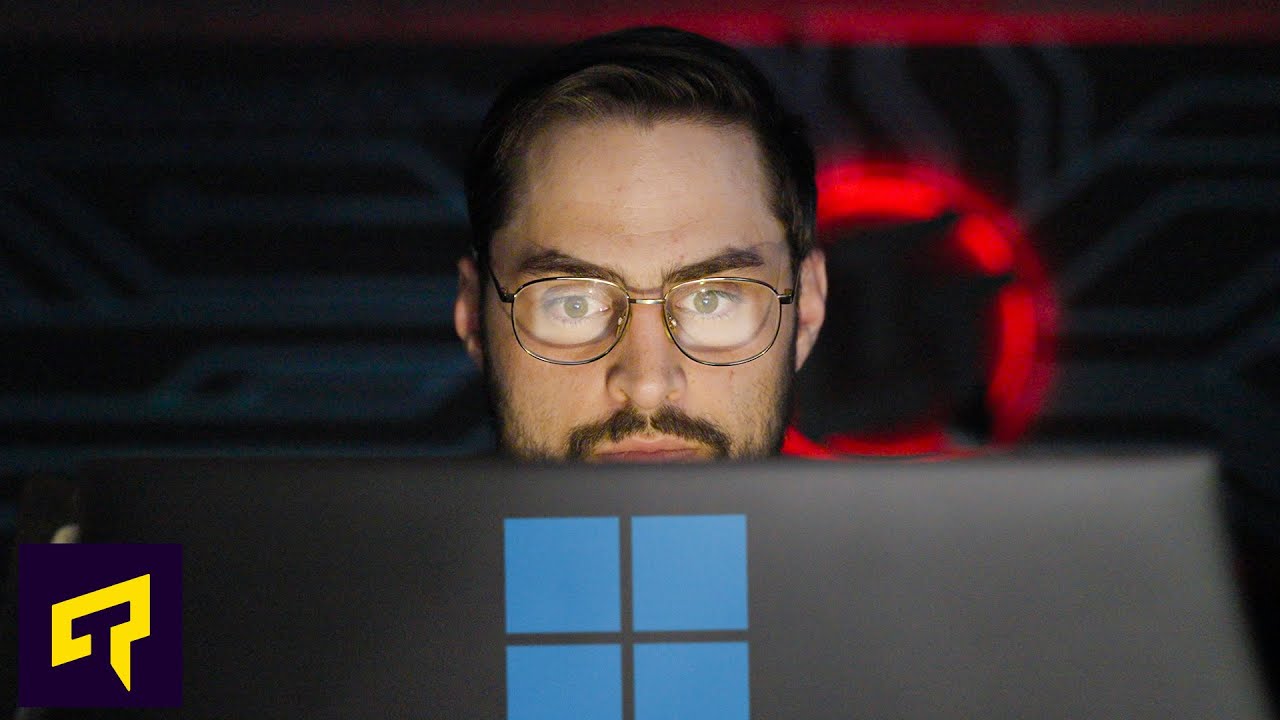
Windows 11 will Soon Record Your EVERY Move
0 up · 0 down · 0 ratings
Promos
Get a 15-day free trial for unlimited backup at: backblaze.com Learn about the new AI-powered Windows Recall feature, which could be very useful, but could also be a privacy nightmare. Leave a reply with your requests for future episodes. ► GET MERCH: lttstore.com ► GET EXCLUSIVE CONTENT ON FLOATPLANE: lmg.gg ► SPONSORS, AFFILIATES, AND PARTNERS: lmg.gg FOLLOW US ELSEWHERE --------------------------------------------------- Twitter: twitter.com Facebook: @LinusTech Instagram: @linustech TikTok: @linustech Twitch: twitch.tv
The video examines Windows 11’s upcoming feature called Recall, introduced with the 24H2 update, which will take periodic screenshots of everything visible on the screen, including apps, messages, and even certain transactions. The presenter explains that these snapshots will be stored locally on the device using a neural processing unit (NPU) to enable natural language queries, such as locating every message about a topic or filtering by time and context. The feature requires substantial local storage, with a baseline estimate around 25 GB for typical configurations, and its effectiveness depends on secure processing to avoid exposing sensitive data. Microsoft claims the data never leaves the device and emphasizes security measures to protect Recall data, while also noting that users can exclude specific programs or browsers from being logged. The presenter discusses hardware requirements, including the need for an NPU and the current scarcity of consumer CPUs with built in NPUs, which implies that early adoption will likely rely on new laptops with Qualcomm Snapdragon X Elite/X+ chips or later 24H2 compatible x86 systems. The segment weighs practical benefits against privacy risks, arguing that the ability to quickly locate information from across all activities could be incredibly useful in some scenarios yet also creates a potential privacy nightmare if the feature is misused or misconfigured. The video ends by inviting viewer feedback on whether they are excited about such a powerful search capability or turned off by its intrusiveness, while also hinting at further coverage on NPUs and related technologies.
Topics · privacy · operating systems · artificial intelligence · hardware · computer hardware · computer software · technology news