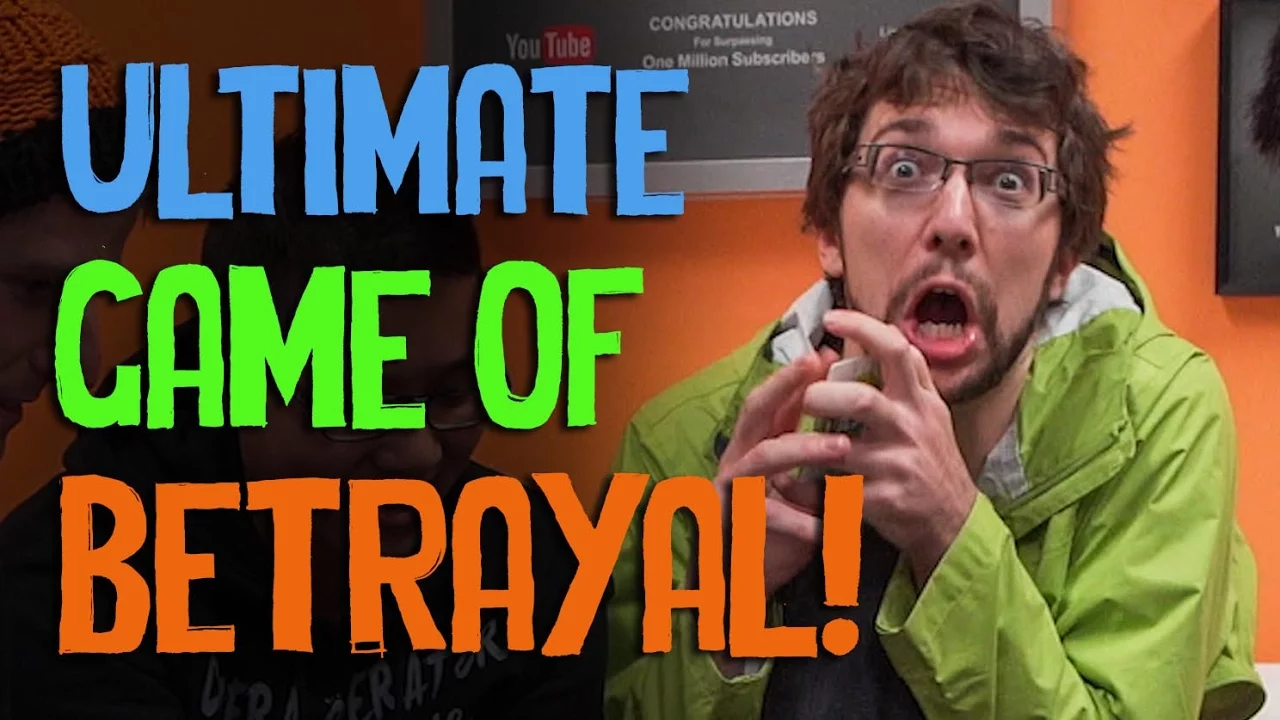
Dead Last
0 up · 0 down · 0 ratings
Description
This week we test the team's honesty by playing the card game - Dead Last! Buy Dead Last on Amazon: geni.us
Channels and socials
Check out our Channel Super Fun posters at crowdmade.com Channel Super Fun Shirts: teespring.com Follow us: twitter.com @channelsuperfun twitter.com twitter.com twitter.com twitter.com twitter.com twitter.com Join our community forum: linustechtips.com
Dead Last is a Channel Super Fun video where the Linus Tech Tips crew plays a social deduction card game, exploring how trust and betrayal shape group decisions. The episode begins with a quick briefing on the game mechanics: players vote to kill a target, with those voting for the majority or anyone who abstains facing consequences, and Ambush cards offering a second chance to eliminate someone. As rounds unfold, the participants navigate shifting alliances, bluffing, and strategic reveals, trying to outmaneuver each other while keeping track of who holds what information. The cast discusses the Prisoner’s Dilemma as a recurring theme, using it to justify their decisions and to push the competing players toward calculated betrayals. The host commentary, chaotic table dynamics, and mid-game negotiations create a lively, fast-paced tone that emphasizes the unpredictable social nature of the game. The session culminates in a tense final showdown where a blend of misdirection and calculated risk leads to a winner, with reflections on how trust, timing, and ambush cards shape outcomes. Throughout the game, the players repeatedly bargain, threaten, and backstab, often reacting to small cues and misreads from others. The editing highlights moments of tension, such as ambush plays and majority vote twists, while occasionally cutting to quick reactions and banter that keeps the pace brisk. As the rounds progress, observers can sense a shift from casual play to more deliberate strategy, with players articulating their thoughts and second-guessing their opponents. The group discusses who to target next, balancing short-term gains against longer-term positioning within the remaining pool of players. The final rounds emphasize the paradox of cooperation versus self-interest, as some players choose to share or steal gold in a bid to influence the ultimate winner. The ending ties back to the central joke about trust and deceit, leaving viewers with a sense of amused disbelief at how the game’s social dynamics played out. Overall the video blends competitive play with playful commentary, turning a simple card game into a showcase of group psychology. The crew’s personalities,each with distinct approaches to risk, bluffing, and negotiation,drive the narrative as much as the rules do. While some viewers may struggle to follow the rapid-fire dialogue and the table setup, the episode successfully captures the energy of a friendly but cutthroat game night. The result is an entertaining vignette about how fragile alliances can be when a Prisoner’s Dilemma is in play, and how a well-timed Ambush can flip the outcome in surprising ways. If you’re looking for a lively, character-driven board game mashup with humor and strategic misdirection, this Dead Last installment delivers a memorable, high-energy experience.
Topics · entertainment · board_games · gaming_collaboration · social_experiment
Questions answered
- What are the core mechanics of Dead Last as shown in this video?
- Players vote to kill a target, with those voting for the majority dying, others dying if they abstain or oppose the majority; Ambush cards let a player save someone or change the outcome, and the Prisoner’s Dilemma informs endgame decisions.
- Who wins the game in this episode and what is the final moment?
- Taran wins the game in the final showdown after strategic ambushes, betrayals, and careful gold management lead to the last standing player.
- What aspects made the game difficult to follow for viewers?
- Fast exchanges, shifting alliances, and the table setup plus editing choices contributed to confusion about each round’s events.