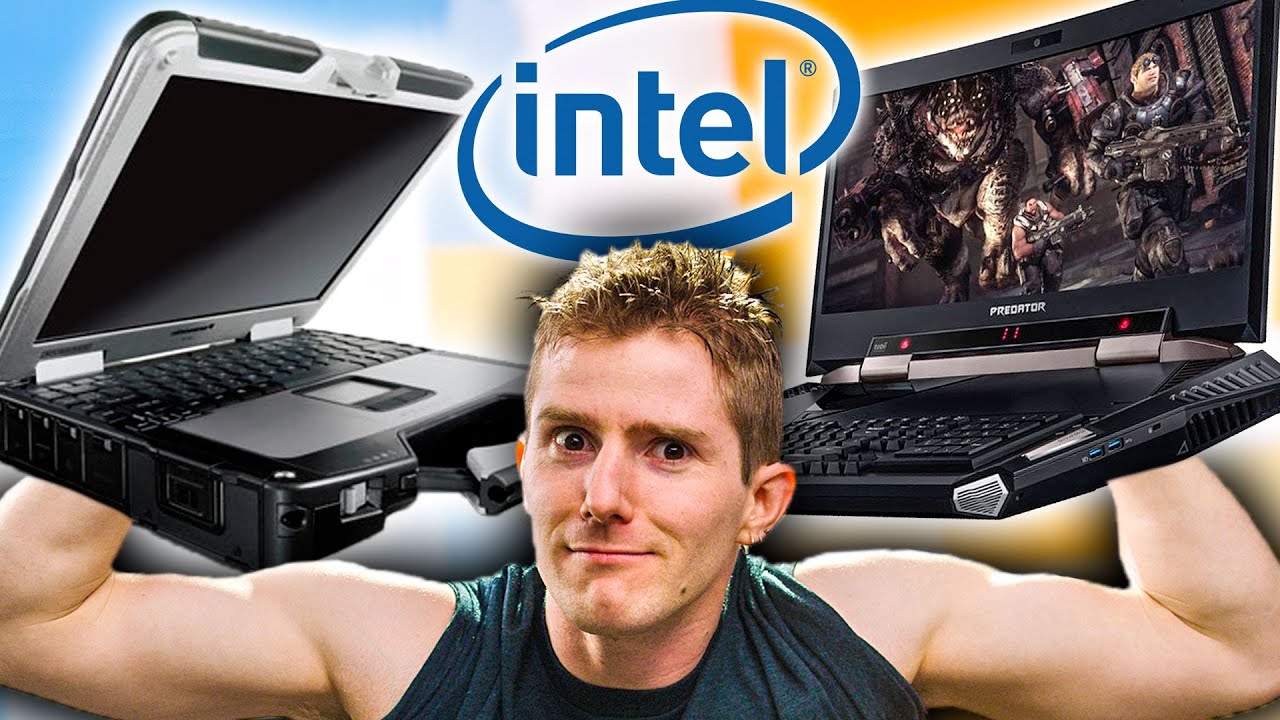
NEW Intel... "Musclebooks"!?
0 up · 0 down · 0 ratings
Promos
Use Offer Code TechLinked to get 15% off your entire order at vincerowatches.com GET MERCH: lttstore.com Twitter: twitter.com Instagram: @TechLinkedYT Facebook: @TechLinked NEWS SOURCES: THE LOW-END OF THE HIGH-END Not super impressive tomshardware.com Volta NVENC instead of Turing techpowerup.com Review roundup linustechtips.com Specs reddit.com 16 series laptops Versions hexus.net Acer engadget.com ASUS (with Ryzen) hexus.net Lenovo engadget.com Dell engadget.com Razer engadget.com MSI kitguru.net MUSCLEBOOKS, YO arstechnica.com anandtech.com Laptops pcmag.com MUSCLEBOOKS thenextweb.com A SENSE OF SELF-DRIVING FSD chip techcrunch.com Motor upgrades engadget.com Self-driving video mashable.com youtube.com QUICK BITS LEAVING NOTHING TO THE IMAGINATION androidpolice.com twitter.com MADE A DEAL WITH THE D-…HUAWEI kitguru.net 5G isn’t going to have good coverage linustechtips.com 5G IS A SOCIAL CONSTRUCT arstechnica.com MAKE ANDROID TABLETS GREAT AGAIN theverge.com C-3P0 CAN GET JACKED engadget.com #GTX1650 #Musclebooks #FullSelfDriving
The video opens by recapping the latest in GPU and laptop hardware, focusing on Nvidia's GTX 1650 desktop launch and its position within the broader 16 series laptop lineup. It notes that the 1650 is more power-efficient than some rivals like the RX 570, while also pointing out its higher price and the absence of newer Turing NVENC encoding in favor of an older Volta-based engine. The hosts discuss how Nvidia is pushing 16 series GPUs into a wide range of gaming laptops from major brands such as Acer, Lenovo, Dell, Razer, MSI, and Asus, suggesting a strategic emphasis on expanding available configurations rather than delivering blockbuster performance gains. The segment transitions to Intel’s own announcements, highlighting 9th generation processors across desktop and mobile lines, including new H-series laptop CPUs and desktop variants with options like no integrated graphics and 35W TDP variants. The hosts introduce a new marketing label for high-performance mobile CPUs, calling them Muscle Books, and joke about the branding while acknowledging the surge in mobile power and productivity capability. The show then pivots to Tesla’s self-driving ambitions, detailing the finalized FSD (Full Self-Driving) chip, which consists of two redundant systems on board, each built around ARM cores, a neural network processor, and a GPU, delivering substantial throughput at a modest power envelope. Commentary on the potential impact for autonomous vehicles follows, alongside a playful take on Tesla’s roadmap, including robo-taxi plans. In mid-roll, the hosts pivot to a sponsorship spot for Vincero watches, emphasizing affordable luxury and direct-to-consumer pricing, then return to tech news with brief updates on Google Pixel leaks, Huawei’s 5G involvement in the UK, AT&T and Sprint branding issues, and a hint at an Nvidia Shield tablet refresh that could double as a two-in-one device. The episode closes with a note on advances in materials science, MIT researchers developing polyvinyl alcohol hydrogels that could enable synthetic muscle for robotics, and a light-hearted sign-off about the limits of patience for tech news cycles. The presenters wrap with a tease that future episodes will return soon, keeping the cadence light with banter and callbacks to prior segments.
Topics · technology · computing · news-recap · consumer-electronics
Questions answered
- What does the term Muscle Books signify in this video, and which company introduced it?
- Muscle Books is a branding label used in the video to describe the high-performance mobile CPUs, introduced during Intel's 9th generation processor announcements.
- What are the key features of Tesla's Full Self-Driving chip as described in the video?
- Tesla's FSD chip consists of two duplicate system-on-board units, each with a central processor built from ARM cores, a neural network processor, and a GPU, delivering high throughput at about 100 watts of power and enabling autonomous driving capabilities.