Linus Tech Tips Live Show Archive - January 25, 2013
0 up · 0 down · 0 ratings
Description
Cloud gaming 2:45 legacy computers 3:30 nvidia 690 replacement rumour 14:35 intel no longer making motherboards 25:50 Gaming consolidation 30:27 Intel phones 39:35 Linus running windows 8 phone 40:04 Elderscrolls MMO + The mainstream adaptation of MMO 43:33 Linksys taken over by Belkin 48:22 buy now or buy later, the great question 55:24 THQ is being dissolved 1:00:55 Forum status 1:09:19 Bell isn't a butthead 1:16:9 Forum software and outages 1:24:30 Slick formatting his benchmark flashdrive & losing data 1:34:30
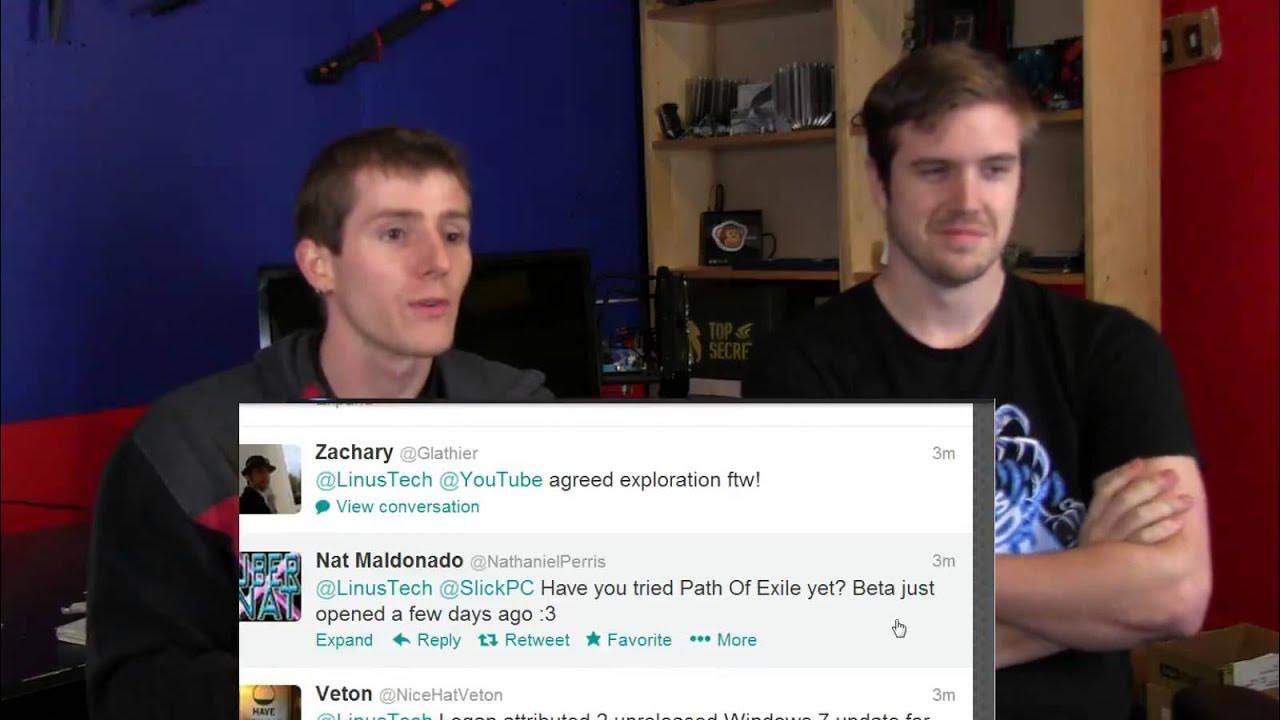
Linus Tech Tips Live Show Archive from January 25, 2013 unfolds as a sprawling, multi-topic live stream typical of the era, with Linus and Slick guiding viewers through a rapid-fire discussion of hardware trends, gaming culture, and industry rumors. The hosts begin by addressing the long day and the intensity of back-to-back shoots, which sets the stage for an informal, high-energy session. Early segments dive into cloud gaming debates, with references to Nvidia’s possible replacement for the GTX 680 built around Tesla cores, and a broader examination of whether cloud gaming can eventually eclipse traditional desktop gaming. The dialog emphasizes the practicalities of cloud compute, latency considerations, and the potential for cloud gaming to render local hardware obsolete, while also acknowledging the ongoing appeal of legacy machines and personal tinkering. A recurring thread is the hardware nostalgia and the how-to spirit of the audience, as Linus and Slick reminisce about old components, CRT monitors, and early enthusiast builds, including SLI configurations, vintage processors, and retro storage. The discussion frequently pivots to the challenges and promises of new architectures, such as Tesla-based accelerators and their application in cloud gaming, alongside a candid look at the realities of manufacturing yields, power envelopes, and thermals for high-end GPUs. Throughout, the hosts interleave live questions from Twitter and chat, turning the stream into a participatory forum where they debate platform consolidation, the future of desktop motherboards, and the evolving landscape of PC components. The show also touches on business and industry news, including the dissolution of THQ, which Linus frames as part of the broader consolidation story in the gaming and hardware ecosystems, and the implications for developers and enthusiasts. Personal anecdotes abound, with Linus and Slick sharing fan interactions, forum threads, and builds that illustrate the creative energy of the community, such as DIY cooling projects, Frankensteined machines, and nostalgic peripherals like classic joysticks. The duo expands the scope to discuss display technology, from CRTs to LCDs and the limitations of early LED backlighting, while clarifying common misconceptions about LED versus LCD, backlight aging, and color fidelity. In parallel, they explore the state of the motherboard market and consolidation, reflecting on how Intel’s strategy around desktop boards has changed, and listing the major brands that once populated the space, along with the implications for enthusiasts who crave choice and customization. Toward the middle and late portions of the show, the conversation broadens to consumer devices, including Windows Phone 8, the evolving smartphone market, and Linus’s personal experiences with different mobile ecosystems, which segues into a broader conversation about platform choices for creators and reviewers. Audience engagement spikes with Q&As about professional-grade hardware for editing and content creation, the relative benefits of single-GPU versus multi-GPU setups, and ongoing debates about cloud-based workflows versus local workstations. The hosts also address practical channel logistics, such as streaming quality, audience instructions, and upcoming giveaways, reinforcing the sense of community and shared exploration that characterizes Linus Tech Tips. The overall tone balances skepticism and curiosity, celebrating the ingenuity of enthusiasts while grounding predictions about cloud gaming and market consolidation in the realities of production, thermals, power budgets, and supply chains. By the end of the session, the hosts recap the main threads,cloud gaming viability, hardware nostalgia, market consolidation, and personal device experiments,leaving viewers with concrete takeaways about what to watch for in the coming years and a sense of the ongoing evolution of PC technology and enthusiast culture.
Topics · technology · gaming · hardware · streaming
Questions answered
- What is the potential impact of Nvidia’s Tesla-based GPU replacement on gaming?
- The hosts discuss that a Tesla-core based replacement could deliver a large performance boost and be suitable for high-end, power-ready configurations with adequate cooling, potentially changing the balance between CPU and GPU demands in gaming.
- Why are cloud gaming discussions prominent in this stream?
- Cloud gaming is examined as a disruptive model that could shift the need for powerful local PCs, especially if latency, bandwidth, and server efficiency improve sufficiently to render traditional desktops less essential for gaming.
- What THQ development is mentioned, and why is it significant?
- THQ is described as being dissolved, framed within the broader pattern of industry consolidation affecting developers, publishers, and the ecosystem around PC gaming.
- How do the hosts view platform consolidation and motherboard diversity?
- They observe a trend toward fewer, larger motherboard vendors and a shrinking number of brands, debating the implications for enthusiasts who value choice and customization.
- What nostalgic hardware topics are touched on during the show?
- The conversation includes CRT monitors, vintage sound cards, old storage devices, and early enthusiast builds, illustrating the enduring appeal of retro hardware in the community.