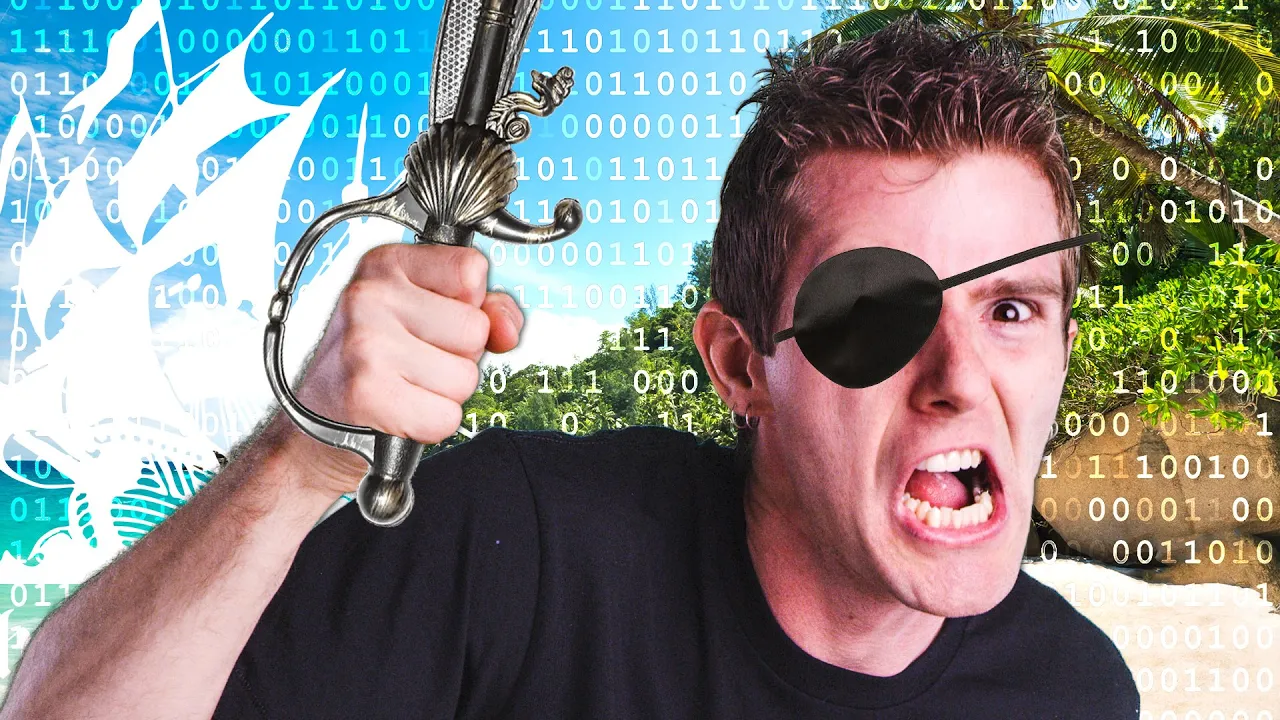
Why Piracy Will NEVER DIE
0 up · 0 down · 0 ratings
Promos
Monitor and manage your PC in real-time with Pulseway! Create your free account today at lmg.gg Why is piracy resurgent despite the proliferation of cheap legal streaming options? Techquickie Merch Store: lttstore.com Follow: twitter.com Leave a reply with your requests for future episodes, or tweet them here: twitter.com
Piracy is portrayed as an ongoing force that will never fully disappear, even in the age of cheap streaming. The video argues that streaming platforms have inadvertently rekindled piracy by fragmenting content across many services and by adopting business models that make viewers pay for large catalogs they do not fully consume. It discusses how Netflix and other services dominate the market, but licenses and exclusive content push consumers toward multiple subscriptions, increasing perceived friction and cost. The host links affordability and convenience to piracy, noting that paying for one service often means paying for many, which can feel like cable TV in a sleeker disguise. The discussion also touches on the strategic missteps of content owners who might benefit from a return to more centralized access, while acknowledging piracy as a tool for preserving games and films that vanish from legitimate catalogs. Throughout, the video frames piracy as a symptom of a broader shift in media distribution and consumer expectations, not merely a legal or ethical battle. The closing segments pivot to a plug for Pulseway as a practical tool for IT tasks, contrasting the broader digital ecosystem with the ethics of content distribution while underscoring value through real-time management software. The core takeaway is that the balance between affordability, convenience, and access drives consumer behavior, and that trimming friction for paying customers may be more effective at reducing piracy than enforcement alone. The video advocates for streamlining access to genres and titles across platforms to diminish the appeal of piracy as a substitute for legitimate consumption. It highlights how region locking, exclusive launches, and the proliferation of services can degrade user experience and financial incentives for legal consumption. The narrative presents a nuanced view: piracy serves as both a defense of access to culture and a reaction to market fragmentation, suggesting that fewer, more user-friendly options could shift behavior. It concludes with a forward-looking uncertainty about whether major studios will recalibrate their licensing strategies enough to counter piracy, while inviting viewers to try Pulseway for real-time system monitoring, tying the discussion back to practical tech tools.
Topics · technology · economics · media-industry · piracy · entertainment