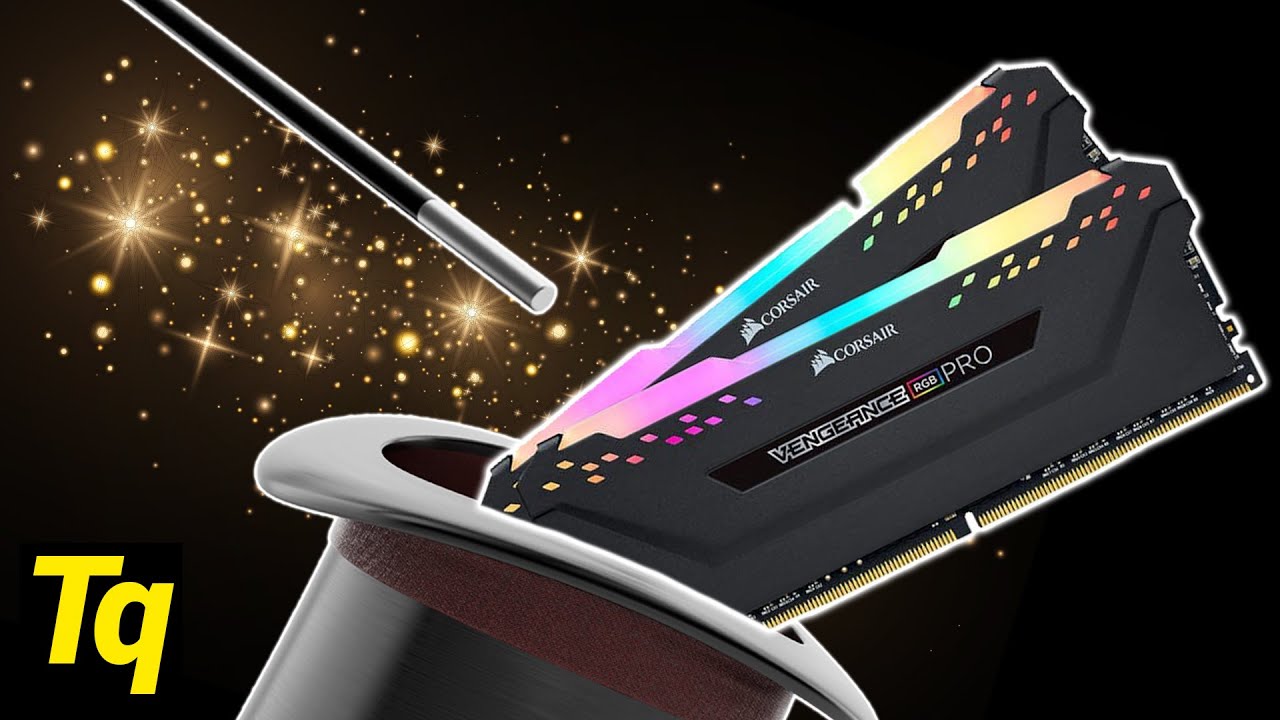
The Magic Behind RAM - How DDR Works
0 up · 0 down · 0 ratings
Promos
Buy MSI VIGOR GK50 Low profile Keyboard On Amazon (Paid Link): geni.us On Walmart (Paid Link): geni.us On Newegg (Paid Link): geni.us How does DDR work? Leave a reply with your requests for future episodes, or tweet them here: twitter.com ►GET MERCH: lttstore.com ►SUPPORT US ON FLOATPLANE: floatplane.com ►LTX EXPO: ltxexpo.com AFFILIATES & REFERRALS --------------------------------------------------- ►Affiliates, Sponsors & Referrals: lmg.gg ►Private Internet Access VPN: lmg.gg ►MK Keyboards: lmg.gg ►Nerd or Die Stream Overlays: lmg.gg ►NEEDforSEAT Gaming Chairs: lmg.gg ►Displate Metal Prints: lmg.gg ►Epic Games Store (LINUSMEDIAGROUP): lmg.gg ►Official Game Store: nexus.gg ►Amazon Prime: lmg.gg ►Audible Free Trial: lmg.gg ►Our Gear on Amazon: geni.us FOLLOW US ELSEWHERE --------------------------------------------------- Twitter: twitter.com Facebook: @LinusTech Instagram: @linustech Twitch: twitch.tv FOLLOW OUR OTHER CHANNELS --------------------------------------------------- Linus Tech Tips: lmg.gg TechLinked: lmg.gg ShortCircuit: lmg.gg LMG Clips: lmg.gg Channel Super Fun: lmg.gg Carpool Critics: lmg.gg
The video provides a clear tour of how DRAM RAM evolved from single data rate to the various DDR generations, focusing on the core idea that memory speed improvements come from two clocks and a technique called prefetching. It begins by establishing that RAM is essential for a functioning computer and introduces the basic concept of data transfer happening on both the rising and falling edges of the clock in DDR memory. The explanation then contrasts DDR with its predecessors, describing how DDR2 doubles the external bus clock while keeping the internal memory clock the same, allowing more data to pass per unit time. As the discussion moves toward DDR3 and DDR4, the host elaborates how internal arrays increase prefetch data and how bank groups in DDR4 enable pulling data from multiple areas simultaneously, boosting throughput while reducing voltage requirements. Throughout, the video notes that newer DDR generations are not backward compatible due to differing electrical and signaling requirements, illustrating practical implications with visual examples of sticks from different generations. The segment closes by touching briefly on product integration and sponsorship, reminding viewers that memory technology continues to advance through manufacturing improvements and architectural refinements to achieve higher speeds with better power efficiency. Overall, the video uses accessible visuals and a step-by-step narrative to connect the abstract concept of clocking and prefetching to tangible outcomes like faster memory bandwidth. It ties historical DDR milestones to contemporary DDR4 features, emphasizing why memory latency and bandwidth matter for system performance. The host reinforces the takeaway that DDR improvements hinge on dual-clock timing, prefetch strategies, and architectural organization such as bank groups, culminating in a practical understanding of how RAM speed scales across generations.
Topics · technology · computer-hardware · memory
Questions answered
- What does DDR stand for and how does it improve data transfer compared to single data rate memory?
- DDR stands for double data rate. It improves data transfer by sending data on both the rising and falling edges of the clock, effectively doubling data throughput without requiring a faster clock signal.