The iPhone USB-C Law: Explained!
0 up · 0 down · 0 ratings
Channels and socials
All opinions in the video are my own. Armchair analyst mode activated. The port-less iPhone: youtu.be That shirt! shop.mkbhd.com The actual law: data.consilium.europa.eu Joanna's WSJ Interview: youtu.be Tech I'm using right now: amazon.com Intro Track: Jordyn Edmonds lnk.to Playlist of MKBHD Intro music: goo.gl ~ twitter.com @MKBHD @MKBHD
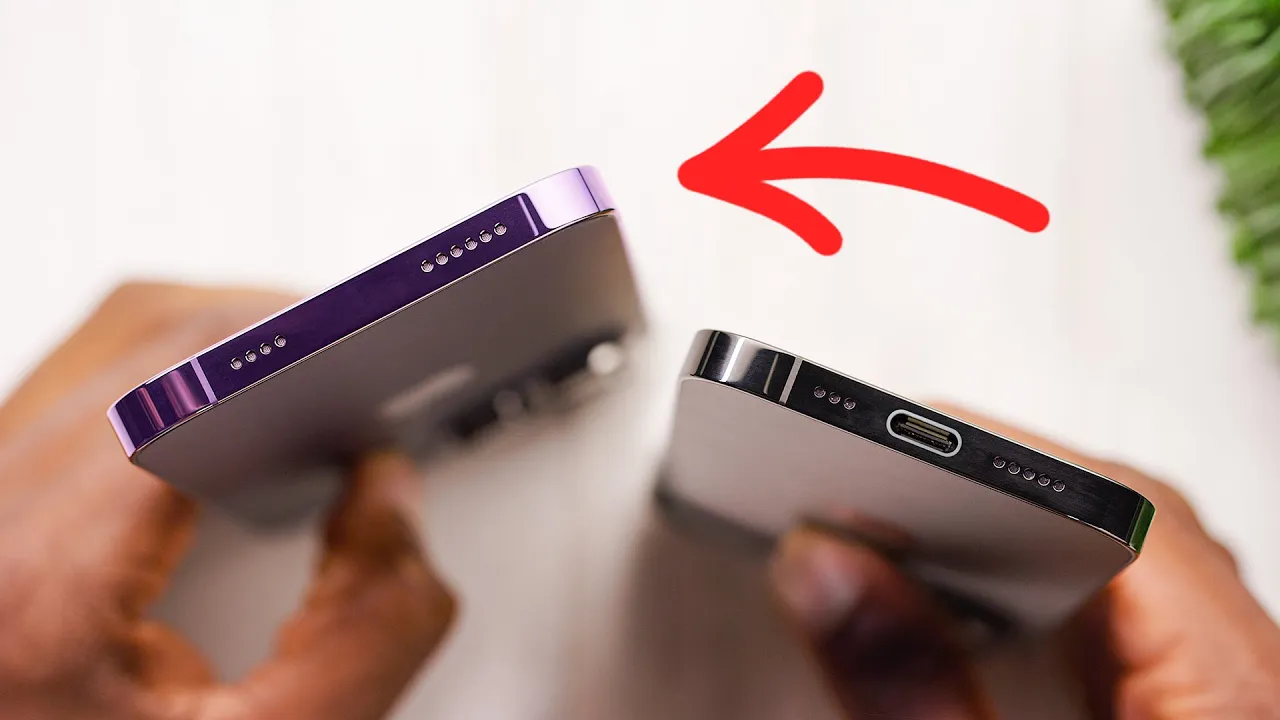
The video begins by addressing the recurring headlines about Apple adopting USB-C for the iPhone and questions whether this time is different. The host lays out the EU regulation requiring USB-C charging for smartphones sold in the bloc, emphasizing that the law aims to standardize one port across devices. He notes that Apple executives on stage gave cautious, carefully worded responses about compliance rather than a flat promise to produce a USB-C iPhone. A key point is that the official law specifies that devices capable of wired charging must support USB-C and be chargeable via a USB-C cable, with the regulation slated to take effect by the end of 2024. The discussion then distinguishes between simply complying with the law and declaring that Apple will explicitly switch to USB-C, highlighting how language around regulatory compliance can be nuanced. The narrative transitions to a historical look at Lightning introduced with the iPhone 5, its advantages at the time, and how Apple cultivated a lucrative MFI ecosystem around certified Lightning accessories. The host explains that Lightning is now aging, and Apple has been exploring alternatives, including MagSafe, which has grown as a wireless charging solution but still relies on some wired charging options for power delivery. The commentary then moves to the potential futures of the iPhone, considering a portless design versus a USB-C transition, and how MagSafe could become central in a portless era. The video weighs the regulatory push against technological innovation, arguing that while a unified charging standard could reduce e-waste, prescriptive mandates may also stifle engineering options. The host ultimately concedes that a USB-C iPhone could be possible, but the likelihood hinges on how quickly Apple can evolve MagSafe and related technologies to meet future charging needs. The closing thoughts offer a forward-looking view: as wires wane, wireless charging may become dominant, while regulators and engineers continue to navigate the balance between standardization and innovation.
Topics · technology · regulation · consumer electronics · mobile devices
Questions answered
- What does the EU USB-C law require for smartphones sold in the EU?
- The law requires devices capable of wired charging to have a USB-C port and be chargeable via a USB-C cable, with the regulation taking effect by the end of 2024.
- Will Apple necessarily release an iPhone with USB-C ports?
- Not necessarily; the law requires compliance with charging standards, but Apple has not explicitly promised a USB-C iPhone and may pursue other approaches such as MagSafe or a portless design while complying with the rule.