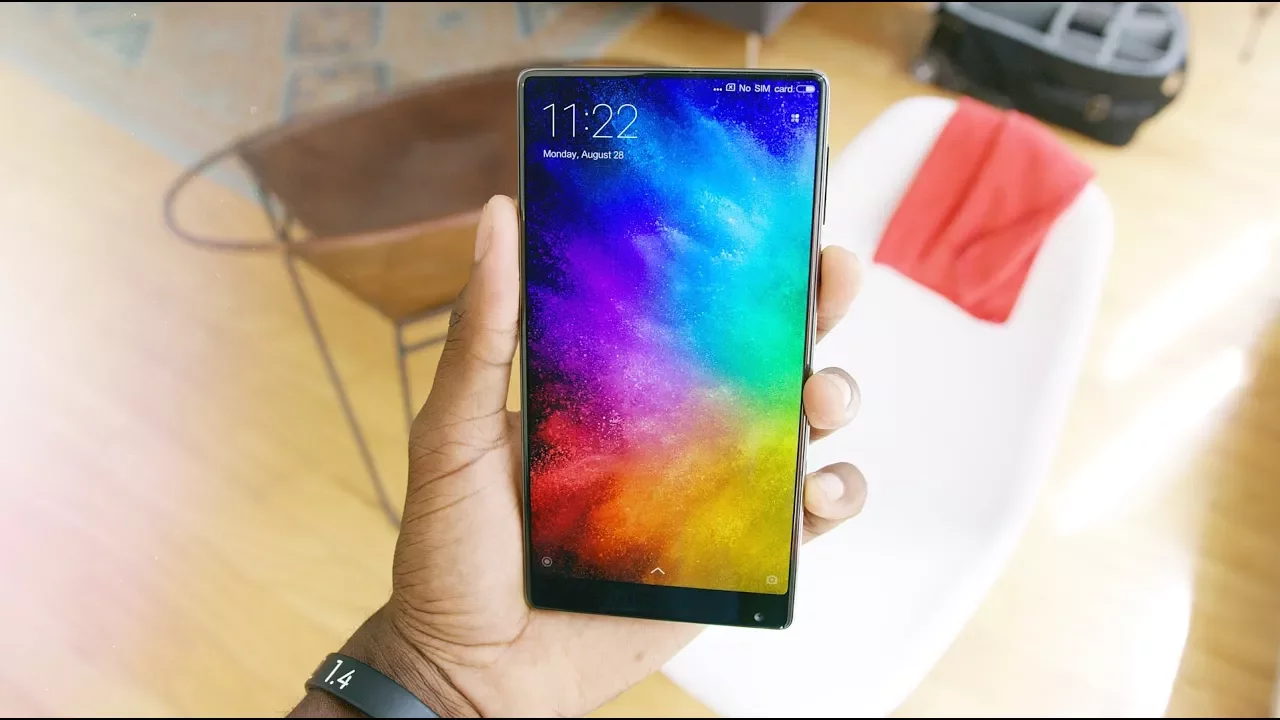
2017 vs Smartphone Bezels!
0 up · 0 down · 0 ratings
Channels and socials
RIP Boomsound. Doogee Mix: amzn.to Doogee Mix (6GB): amazon.it The iPhone 8 Model: youtu.be Video Gear I use: kit.com Intro Track: Connery by Alltta ~ twitter.com snapchat.com google.com @MKBHD @MKBHD
The video surveys the 2017 smartphone landscape with a focus on the year’s dominant trend: shrinking or disappearing bezels. It opens by noting that dual cameras became ubiquitous across flagship devices, but each brand pursued this feature with a slightly different intent, ranging from normal plus telephoto lenses to wide angle and monochrome sensors. The creator highlights how bezel reduction is less about edge-to-edge displays alone and more about what stays in the front face of the phone, such as front cameras, sensors, and speakers, and how different manufacturers solve those necessities. The discussion contrasts various approaches, including top speaker/camera cutouts, balanced slim bezels, and the Xiaomi Mi Mix style with a truly minimal top and side bezel. The Doogee Mix is presented as a striking, affordable contender that mimics flagship aesthetics with a budget-friendly price, showing impressive specs like an octa-core processor and 6GB of RAM while acknowledging cuts in premium fit and finish and missing features such as USB-C, wireless charging, and water resistance. Through this lens, the video argues that 2017 is the first year where shrinking bezels actually reduces overall device footprint, improving one-handed usability and pocketability, and it looks ahead to anticipated devices like the Galaxy Note 8 and iPhone 8 to see if the trend will continue. The takeaway is that bezel refinement matters for usability, and the future of smartphones may hinge on how well manufacturers balance display area with essential front-end components, as the community waits to see what comes next. The second segment delves into the practical implications of bezel reduction using the Doogee Mix as a case study. It weighs the aesthetic appeal against real-world trade-offs, noting that the device delivers a sleek, premium-like silhouette at around $200 while sacrificing some flagship-level features such as USB-C, wireless charging, and waterproofing. The discussion further compares the Doogee Mix to other bezel-conscious devices like the Essential Phone and Samsung Galaxy S8, examining differences in display glass shaping, edge curvature, and tactile feel in the hand. The host emphasizes that while bezels are shrinking, there are still design decisions to be made about where to place front-facing sensors and speakers, and how those choices affect comfort and usability during everyday use. In conclusion, the video argues that 2017 marks a pivotal shift toward smaller overall device footprints driven by bezel optimization, and it invites viewers to monitor how upcoming models refine or redefine this trend as new entrants enter the market.
Topics · technology · smartphones · design · consumer electronics
Questions answered
- What is the central trend identified for 2017 in smartphones?
- The central trend is the shrinking and disappearance of bezels around the display, driven by the goal of smaller overall device footprints and improved one-handed usability.
- What is a key trade-off observed in budget bezel-focused phones like the Doogee Mix?
- Key trade-offs include missing premium features such as USB-C, wireless charging, waterproofing, and potentially lower build quality, despite a flagship-like appearance.