Look what we found in NVIDIA's Top Secret Gaming Monitor Lab
0 up · 0 down · 0 ratings
Promos
Thanks, NVIDIA for sponsoring this video! Learn more about G-Sync at lmg.gg There are few "secret sauces" as secret as NVIDIA's G-SYNC technology, and we're excited to be the FIRST non-NVIDIA employees to be taken behind the scenes to the lab where it all happens! Buy a G-Sync Gaming Monitor: On Amazon: lmg.gg Discuss on the forum: linustechtips.com Our Affiliates, Referral Programs, and Sponsors: linustechtips.com Get Private Internet Access today at geni.us Displate metal posters: lmg.gg Linus Tech Tips merchandise at lttstore.com Linus Tech Tips posters at crowdmade.com Our Test Benches on Amazon: amazon.com Our production gear: geni.us Twitter - twitter.com Facebook - @LinusTech Instagram - @linustech Twitch - twitch.tv Intro Screen Music Credit: Title: Laszlo - Supernova Video Link: youtube.com iTunes Download Link: itunes.apple.com Artist Link: soundcloud.com Outro Screen Music Credit: Approaching Nirvana - Sugar High youtube.com
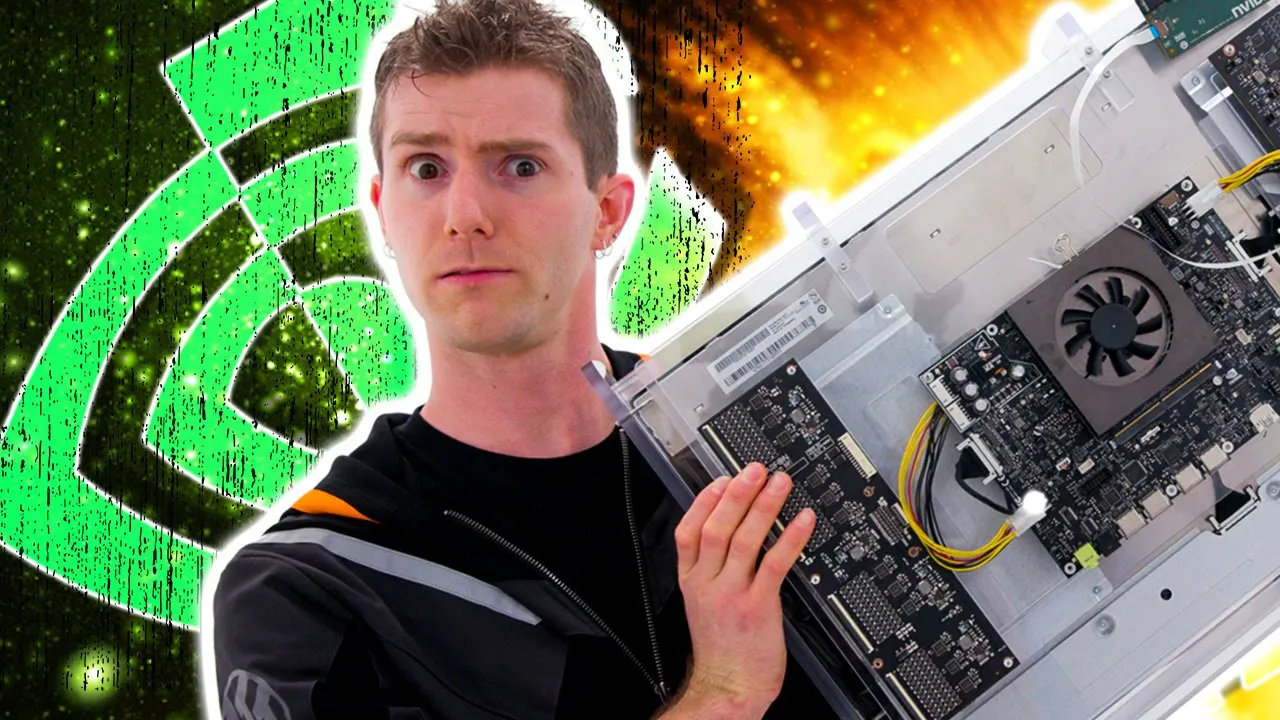
This video takes viewers behind the scenes into NVIDIA’s so called top secret gaming monitor lab, with Linus and team revealing how a G-Sync enabled display is validated and tuned before it reaches consumers. The opening segment frames the tour as a first for non-NVIDIA personnel, setting the stage for a deep dive into the lab’s multi-stage testing workflow. Viewers are walked through the realities of display development, including the distinction between panel fabrication and the extensive validation that occurs after a panel is chosen. The host explains that even with improved desktop results, laptop panels still present challenges and require rigorous testing, sometimes spanning days and hundreds of individual checks. The video then transitions into concrete demonstrations of several critical tests, from timing control and frame rate sweeps to specialized equipment used to measure luminance, color accuracy, and backlight uniformity. The narrative emphasizes that NVIDIA’s process aims to catch underlying issues early, rather than only certifying finished products, highlighting a philosophy of engineering rigor behind G-Sync upgrades and HDR support. As the tour progresses, viewers glimpse the back-end hardware, including custom driver boards and the G-Sync processor, while the team discusses how LVDS to LED backlighting coordination and overdrive algorithms must adapt to variable refresh rates. The host concludes by noting there are multiple tiers of G-Sync certification, with “Ultimate” involving deep collaboration between GPU and display manufacturers and support for HDR gaming, while stressing that the lab work underpins the quality and consistency of high-end gaming displays. The video closes with a nod to the behind-the-scenes access and an invitation to subscribe for more deep-dives, and to explore related gear and community discussions in the description links.
Topics · technology · manufacturing · gaming · hardware · science-and-technology
Questions answered
- What is the purpose of NVIDIA’s G-Sync lab testing for monitors?
- The lab testing validates and tunes G-Sync displays beyond basic panel specs, checking timing control, backlight uniformity, color accuracy, luminance, and HDR behavior across different panel and refresh rate scenarios to prevent underlying issues.
- How does the lab approach variable refresh rate testing differently from fixed refresh rate testing?
- For VRR testing the team accounts for how changes in refresh rate affect pixel overdrive, backlight response, and lcd characteristics, using specialized equipment to measure and ensure stability across a range of speeds and brightness levels.
- What does the G-Sync Ultimate certification imply about collaboration and capabilities?
- G-Sync Ultimate represents deep collaboration between GPU and display manufacturers, with enhanced HDR support and a more stringent, multi-faceted validation process that goes beyond basic VRR compatibility.