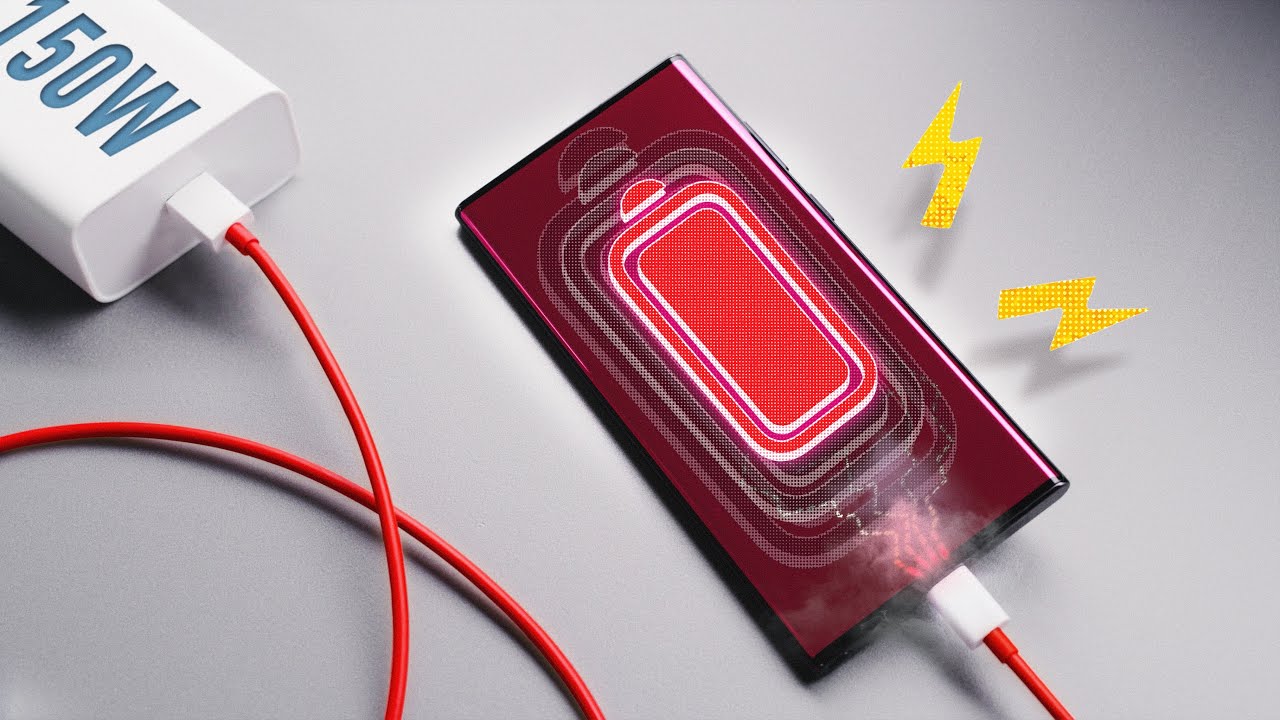
Does Fast Charging ACTUALLY Ruin Your Battery?
0 up · 0 down · 0 ratings
Promos
60 watts? 120 watts? 240 watts? Here's what REALLY ruins batteries, explained. MKBHD Merch: shop.mkbhd.com Cable with a display: amzn.to Tech I'm using right now: amazon.com Intro Track: youtube.com Playlist of MKBHD Intro music: goo.gl ~ twitter.com @MKBHD @MKBHD
The video opens by tracing the rapid rise of fast charging across smartphones, from five-watt beginnings to today’s 120-watt and beyond. Marques Brownlee explains that what you see as a charging peak is not a constant, and that actual charging follows a curve where the phone rapidly accepts power early on and then tapers off as the battery nears full. He emphasizes that heat is the main enemy of long-term battery health, not the presence of fast charging per se, and that higher wattage typically creates more heat. The host then walks through several engineering approaches aimed at mitigating heat during fast charging, including smarter power management in bricks versus phones, parallel charging with multiple cells, and enhanced cooling hardware. He points out that modern phones employ sensors and software features to regulate charging and temperature, such as pass-through charging for gaming modes and learned overnight charging to preserve health. The central question,whether fast charging ruins batteries,gets a nuanced answer: it can degrade faster if mismanaged, but industry data and real-world tests show that modern implementations can maintain around 80% health after many cycles, often outperforming official guarantees. The conclusion is pragmatic: for most users, fast charging is not inherently ruinous when paired with sensible usage, good cooling, and software protections, and it remains a valuable convenience as technology continues to improve. The video ends with a reminder to avoid overheating the device and to leverage built-in battery health features to maximize longevity, while acknowledging that long-term data will continue to evolve as charging tech advances.
Topics · science_and_technology · mobile_devices · battery_technology · consumer_electronics
Questions answered
- What is the main factor that damages smartphone batteries according to the video?
- Heat is identified as the main factor that damages batteries, more so than the mere presence of fast charging.
- Do modern fast-charging systems permanently ruin battery health?
- No, they do not inherently ruin battery health; industry data and testing suggest they can maintain around 80% health after many charge cycles, with proper heat management and software protections.
- What are some methods used to reduce heat during fast charging?
- Methods include smarter power management in chargers versus phones, parallel charging with multiple cells, and improved cooling hardware such as heat shields, vapor chambers, and, in some cases, cooling features during gaming or idle charging.