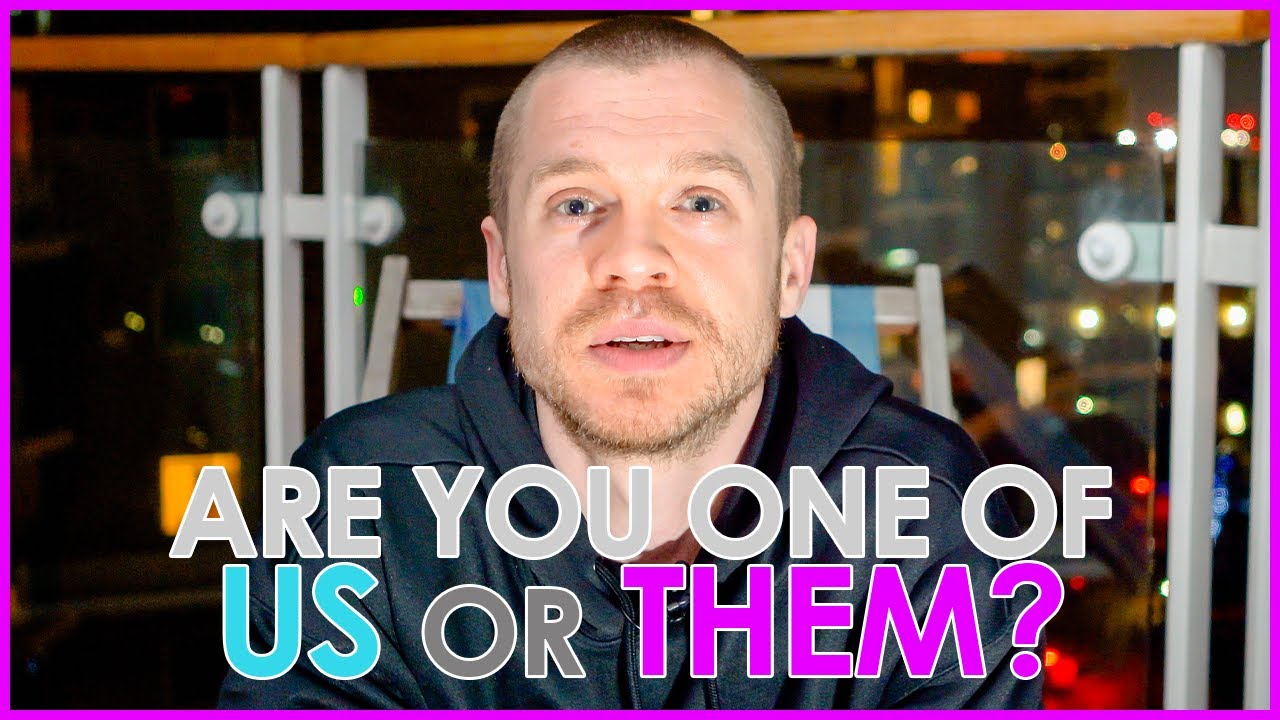
Are You One Of Us Or One Of Them?
0 up · 0 down · 0 ratings
Channels and socials
"if we don't tax THEM then the future is going to be bad for US and our kids" You grew up poor but are now a millionaire... So are you one of US or one of THEM? SUBSCRIBE, SHARE & START A CONVERSATION SOCIAL MEDIA: WEBSITE - wealtheconomics.org TWITTER - @garyseconomics FACEBOOK - @garyseconomics INSTAGRAM - @garyseconomics Performed by Gary Stevenson GARYSECONOMICS Produced by Simran Mohan MOHAN MEDIA
Are You One Of Us Or One Of Them? presents a frank exploration of social division, wealth, and mobility through the perspective of a self-made individual who rose from poverty to relative financial success. The speaker reflects on growing up as one of the poorest students in his school, later studying at Oxford, and eventually entering high-paying city work. He acknowledges how wealth can create distance from the life he once knew, while also recognizing the opportunities that wealth can bring. A core message is that the divide is not simply rich versus poor, but a broader contest between a small global 1% and the rest of society. He argues for a societal framework where many people have the chance to live well, rather than a system that forces them to choose between security and normalcy, and he emphasizes the importance of giving ordinary people opportunities to rise. The speaker also critiques current tax structures as unjust, noting that the wealthy are taxed less efficiently while working families bear a heavier burden. Throughout, the narrative weaves personal anecdotes with broader economic concerns, aiming to inspire viewers to demand fairer policies and more inclusive prosperity. The video closes with a call to action to support one another and to subscribe, signaling a hope that audiences will join in pushing for a more equitable society. A second detailed look into the argument highlights the tension between personal success and social responsibility. The speaker candidly describes how his success creates a sense of separation from the people he grew up with, yet he stresses that his experience does not erase the desire for a society where everyone has a fair chance. He points to the risk that without systemic fixes, more families will lose assets and property, pushing society toward entrenched inequality. The discourse shifts to policy implications, arguing that the real battle is not about individual wealth but about building a society that works for the majority rather than a tiny minority. He envisions a world where one can pursue opportunities like study at prestigious institutions or high-earning careers without becoming detached from the community, and he frames taxation reform as a practical lever to achieve that balance. The concluding sentiment invites viewers to reflect on their own stance, to engage in dialogue, and to support reforms that broaden access to security and opportunity for all.
Topics · economics · social-issues · taxation · public-policy · mobility · inequality
Questions answered
- What is the central critique of current economic policy presented in the video?
- The central critique is that the wealth gap has grown to the point where a small minority controls most resources, while many families risk losing assets and opportunities; the video argues for reforms that expand access to security and opportunity for the majority rather than perpetuating a system that benefits a tiny elite.
- Why does the speaker feel wealth can still connect him to ordinary people despite his success?
- He notes that although his financial status has changed, his upbringing and experiences with poverty, school, and the local community still shape his values and priorities, and he wants a society where others can access similar opportunities without being forced to abandon their communities.