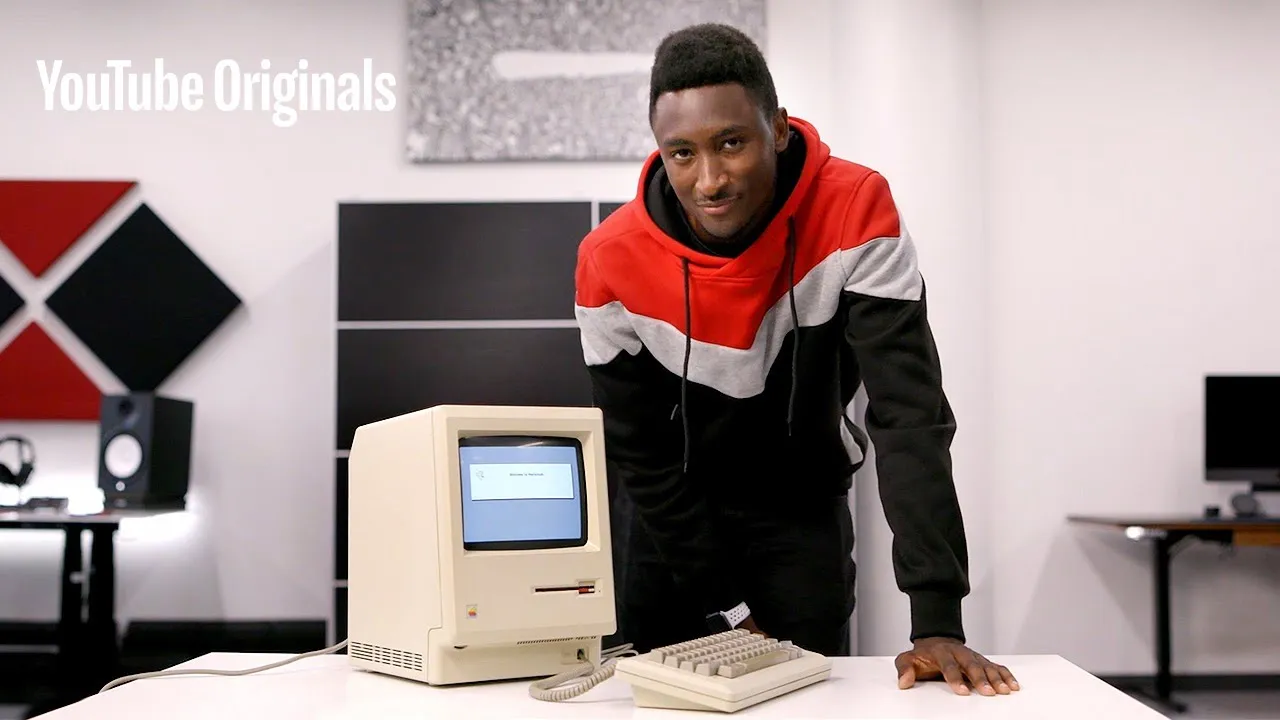
RETRO TECH: MACINTOSH
0 up · 0 down · 0 ratings
Description
Everyone knows the 1984 Macintosh computer was a game changer for the tech industry. But why was this particular computer so iconic? I learn how Steve Jobs and his team took on computer giants IBM, changing personal computing forever. Living legend Bill Nye the Science Guy joins me to play Asteroids on an original Macintosh. And fellow YouTube creator and Apple expert iJustine explains why the 1984 Macintosh was able to beat its competitors. 0:00 The Macintosh 1:10 Unboxing a Macintosh 3:43 Talking Macintoshes 6:46 iJustine 12:35 Apple Vs IBM 15:20 Dope Or Nope with Bill Nye 20:48 Painting With The Macintosh 24:26 Lasting Tech Legacy
The episode retraces the origins of the 1984 Macintosh, framing it as a pivotal moment in making personal computing a household phenomenon. It begins with the unboxing atmosphere, showing the classic Apple packaging, the two floppy disks, and the tactile, loud keyboard that defined early Mac aesthetics. The host, Marques Brownlee, compares the Macintosh with rival machines of the era, explaining how IBM dominated the business world while Apple pursued a more human, approachable vision. The section delves into the transition from room-sized computers to personal devices, highlighting the microprocessor breakthrough that enabled Apple to shrink computing power into a consumer-friendly box. There is a strong emphasis on the launcher moment: the original Mac’s user-friendly graphical interface, the mouse driven UI, and the famous Welcome to Macintosh startup screen that signaled a new era of usability. The discussion then broadens to pre Macintosh competitors, including the Apple II, RadioShack’s Tandy, IBM, and Compaq Portable, establishing the competitive landscape that the Mac disrupted. Finally, the program ties the Macintosh’s legacy to modern creative tools, showing how MacPaint and subsequent software laid the groundwork for today’s graphical software ecosystem and for Apple’s enduring brand identity. In a dedicated segment, the team brings in Justine, an Apple expert, to walk through the ecosystem between the Apple II and the 1984 Mac, using a Brooklyn tech warehouse as a backdrop. Justine helps demystify the pre-Mac era, pointing out how the early machines differed in form and function, including power buttons, portability attempts, and the rise of the mouse as a central navigation tool. The dialogue underscores how Apple challenged industry dogma by focusing on home users rather than laboratory or corporate environments, arguing that Jobs understood the importance of story and market buzz. The exchange also covers the social impact of the Mac’s design, from marketing stunts to high-profile hands-on exposure with influential figures. Viewers learn about the famous 1984 Super Bowl commercial directed by Ridley Scott, which cast IBM as Big Brother and positioned Macintosh as the liberating alternative. This marketing narrative is presented as a crucial factor in creating widespread anticipation and consumer desire for the Mac. The video then dives into a hands-on look at the original hardware, using live demonstrations of setting up the system with the disk and the OS disk, booting the machine, and interacting with the early Mac OS user interface. Marques demonstrates the disk-driven boot process, and the host explains the limitations of RAM and storage of the era, illustrating why software had to be carefully designed for constrained hardware. Through the 1984 Mac’s UI, the show highlights early features that would endure, such as the drag-and-drop metaphor and a graphical environment that made computing feel approachable and human. The host and guests discuss how the Mac’s software tools, including MacPaint and MacWrite, opened creative possibilities for artists and laypeople alike, setting the stage for modern desktop publishing and digital art. Observations about the device’s tactile feedback and the distinctive keyboard sound reinforce the sense that this was a different kind of computer, one that invited everyday users to engage with technology. A broader historical arc is traced as the program evaluates why Apple could take on IBM and emerge with a new norm for personal computing. Analysts and designers describe Steve Jobs as both a showman and a designer who leveraged marketing to amplify the Mac’s appeal. The 1984 reveal is framed as a turning point in consumer tech culture, moving computers from industrial machines to personal companions. The episode closes by reflecting on the Macintosh’s lasting influence on creative software, hardware design, and the broader tech industry, arguing that the Mac helped turn computers into personal, expressive tools and solidified Apple’s identity as a human-centric tech company. The concluding remarks celebrate the Mac as the origin of the modern, user-friendly computer that millions now take for granted, tying the narrative to the broader arc of digital creativity and home computing. The overall momentum of Retro Tech: Macintosh rests on tying historical milestones to tangible modern implications, demonstrating how a single product can redefine a company, a market, and everyday life. Through hands-on demonstrations, archival footage, and expert commentary, the episode makes a persuasive case that the 1984 Mac was not only a technical achievement but a cultural catalyst. It shows that the user interface and software toolkit the Mac popularized have ripple effects still felt in today’s operating systems and creative applications. By pairing historical analysis with playful experiments and guest appearances, the video makes retro tech accessible, entertaining, and educational for a broad audience.
Topics · tech history · consumer electronics · apple · computing evolution