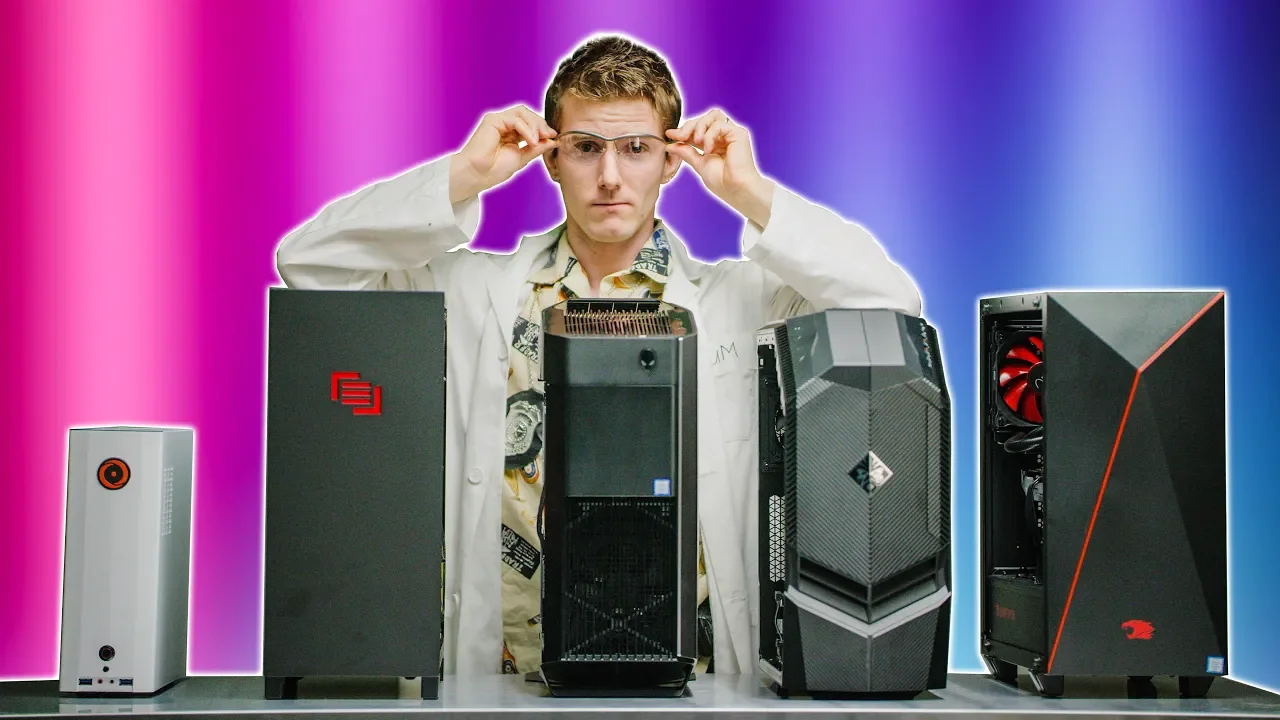
Final Verdict - $1500 Gaming PC Secret Shopper Part 4
0 up · 0 down · 0 ratings
Description
Check out the Massdrop x Sennheiser HD 6XX Headphones at dro.ps
Promos
Check out the Thermaltake A500 case on Amazon at lmg.gg In fourth and final episode, we take a closer look at all the machines and finally benchmark them Alienware R7: geni.us HP Omen: geni.us iBuyPower i5 Configurator: geni.us Origin PC Chronos: geni.us Maingear Vybe: geni.us Discuss on the forum: linustechtips.com Our Affiliates, Referral Programs, and Sponsors: linustechtips.com Get Private Internet Access today at geni.us Linus Tech Tips merchandise at designbyhumans.com Linus Tech Tips posters at crowdmade.com Our Test Benches on Amazon: amazon.com Our production gear: geni.us Twitter - twitter.com Facebook - @LinusTech Instagram - @linustech Twitch - twitch.tv Intro Screen Music Credit: Title: Laszlo - Supernova Video Link: youtube.com iTunes Download Link: itunes.apple.com Artist Link: soundcloud.com Outro Screen Music Credit: Approaching Nirvana - Sugar High youtube.com
The final installment of the Final Verdict series dives into the performance and value of four $1500 gaming PCs as secret shoppers, focusing on real-world gaming and game capture workloads. The hosts begins by recapping unboxing and initial impressions, then set expectations for raw FPS testing across the Alienware, HP Omen, Origin PC Chronos, Maingear Vybe, and iBuyPower configurations. They reveal intriguing discoveries from their hands-on inspection, such as BIOS behavior, RAM timings, and power delivery quirks that could influence both performance and reliability. Throughout the segment, the team emphasizes that there is more to a gaming PC than headline specs, highlighting how software, firmware, and hardware integration shape actual user experience. They systematically walk through each machine’s Windows version, bloatware footprint, driver freshness, and the presence or absence of optimized profiles that could impact performance in games and capture workloads. The hosts then juxtapose this with the pre-installed software ecosystems in each system, noting bloat, antivirus, and vendor utilities that can affect boot times and stability, while also calling out hardware choices like M.2 SATA vs PCIe, and the implications for overall performance. In this verdict phase they provide a consolidated view of the gaming benchmarks, noting that iBuyPower and HP Omen lead in raw gaming power while other builds trade blows in different departments such as system stability, ease of upgrade, and software support, culminating in a nuanced ranking rather than a simple winner take all. Beyond gaming, the episode also evaluates the systems for recording gameplay, streaming readiness, and raw usability, including observations about OBS encoding performance and the challenges encountered with Alienware’s software stack. The hosts close with a candid summary: the most expensive or the flashiest PC is not inherently the best value, and a balanced package with decent performance, reliable support, and thoughtful hardware choices can outshine pricier, more complex builds. They invite viewer input on what they’d like to see next, acknowledge sponsor integrations, and reflect on lessons learned about prebuilt PC shopping, warranty pitches, and the importance of measurable performance versus marketing promises.
Topics · gaming pcs · hardware reviews · consumer technology · pc build quality · tech investigation · gaming benchmarks
Questions answered
- Which $1500 gaming PC delivered the best gaming performance overall?
- Based on the tests, the iBuyPower and HP Omen configurations led in raw gaming power, with iBuyPower typically providing stronger GPU overclocking and the Omen benefiting from higher CPU turbo and balanced hardware choices.
- What were the main issues found across the reviewed systems?
- Key issues included inconsistent BIOS/firmware profiles, RAM timing and raid/auto configurations, underutilized PCIe lanes, and some cases of suboptimal power supplies or cable management. Software bloat and preinstalled utilities also affected boot times and usability.
- Did any system excel at recording or streaming gameplay?
- Maingear performed strongly in recording tests, but Alienware showed software-related recording instability, which impacted the quality of captured video despite strong gaming performance in benchmarks.
- Which system offered the best value given price and features?
- Value varied by priority; HP Omen offered strong gaming performance with solid features and a reasonable price after promotions, while Maingear provided good recording and upgrade paths. The overall verdict emphasized balance over raw power alone.