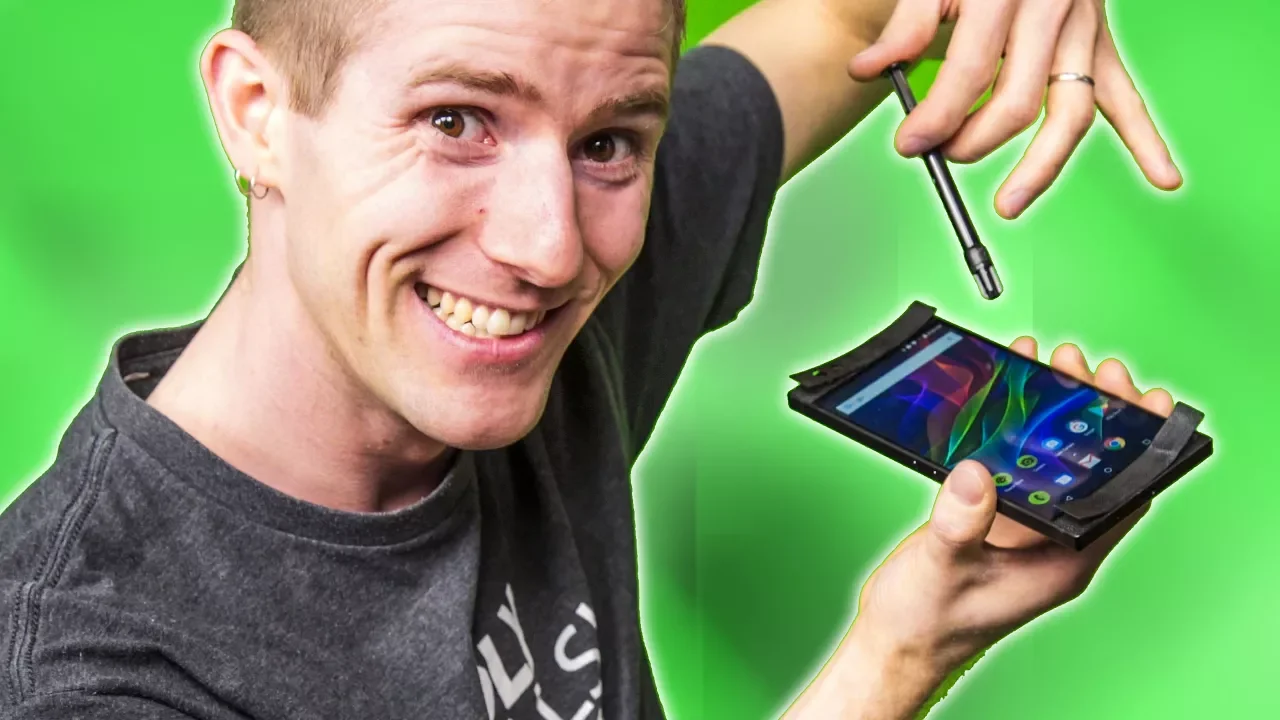
Liquid Metal Cooling a PHONE!?!?!
0 up · 0 down · 0 ratings
Promos
It's a really bad idea to put Liquid Metal in your phone - so we're going to try it. Receive an additional $25 credit for Ting today when you sign up at linus.ting.com Head to shadetreeglasses.com and get 10% off your next Shadetree Sunglasses order! Buy Liquid Metal: On Amazon: geni.us On Newegg: geni.us Discuss on the forum: linustechtips.com Our Affiliates, Referral Programs, and Sponsors: linustechtips.com Linus Tech Tips merchandise at designbyhumans.com Linus Tech Tips posters at crowdmade.com Our production gear: geni.us Get LTX 2018 tickets at ltxexpo.com Twitter - twitter.com Facebook - @LinusTech Instagram - @linustech Twitch - twitch.tv Intro Screen Music Credit: Title: Laszlo - Supernova Video Link: youtube.com iTunes Download Link: itunes.apple.com Artist Link: soundcloud.com Outro Screen Music Credit: Approaching Nirvana - Sugar High youtube.com Sound effects provided by freesfx.co.uk
Liquid Metal Cooling a PHONE is a detailed experiment where Linus Tech Tips investigates whether applying liquid metal to a smartphone’s internal cooling path can maintain higher performance under load. The video begins by framing liquid metal as a risky but potentially rewarding solution, referencing prior delid practices and the pursuit of lower temperatures. The team chooses the Razer Phone as their test subject due to its respectable yet imperfect thermal design, and they document the disassembly process step by step, emphasizing care to avoid corrosion and short circuits. They remove stock thermal interfaces, add a copper heat spreader, and apply conformal coating as a safeguard before introducing liquid metal to the heat pipe. The host explains that performance gains may stem from better thermal transfer rather than pure conductor effects, and highlights that any improvements could be modest and situational. After reassembly, they run a series of benchmarks, including 3DMark and Vulkan/OpenGL tests, revealing a surprising stabilization in performance and even an initial top-tier placement in some tests. The verdict, while showcasing impressive results, remains cautious: the risk of damaging components and voiding warranties outweighs the marginal gains for typical users. The video then pivots to a sponsor segment and concludes with practical advice about safety, warranty considerations, and a reminder that this is an exploration rather than a recommended modification for everyday devices. Overall, the project demonstrates notable thermal performance improvements under load, but it remains a high-risk modification with uncertain long-term reliability. The hosts encourage viewers to consider safer, manufacturer-approved cooling solutions or performance optimizations instead.
Topics · technology · hardware · experimentation · mobile gaming · overclocking · safety
Questions answered
- Did applying liquid metal to a phone really improve sustained performance under load?
- Yes, the tests showed improved continuous performance in some benchmarks after applying liquid metal, though gains varied and were not dramatic across all tests.
- Is this modification recommended for everyday users?
- No, the risk of corrosion, component damage, heat mismanagement, and warranty voiding makes it unsuitable for typical users.