OnePlus Nord Reveal! How Much Do Smartphones Actually Cost?
0 up · 0 down · 0 ratings
Promos
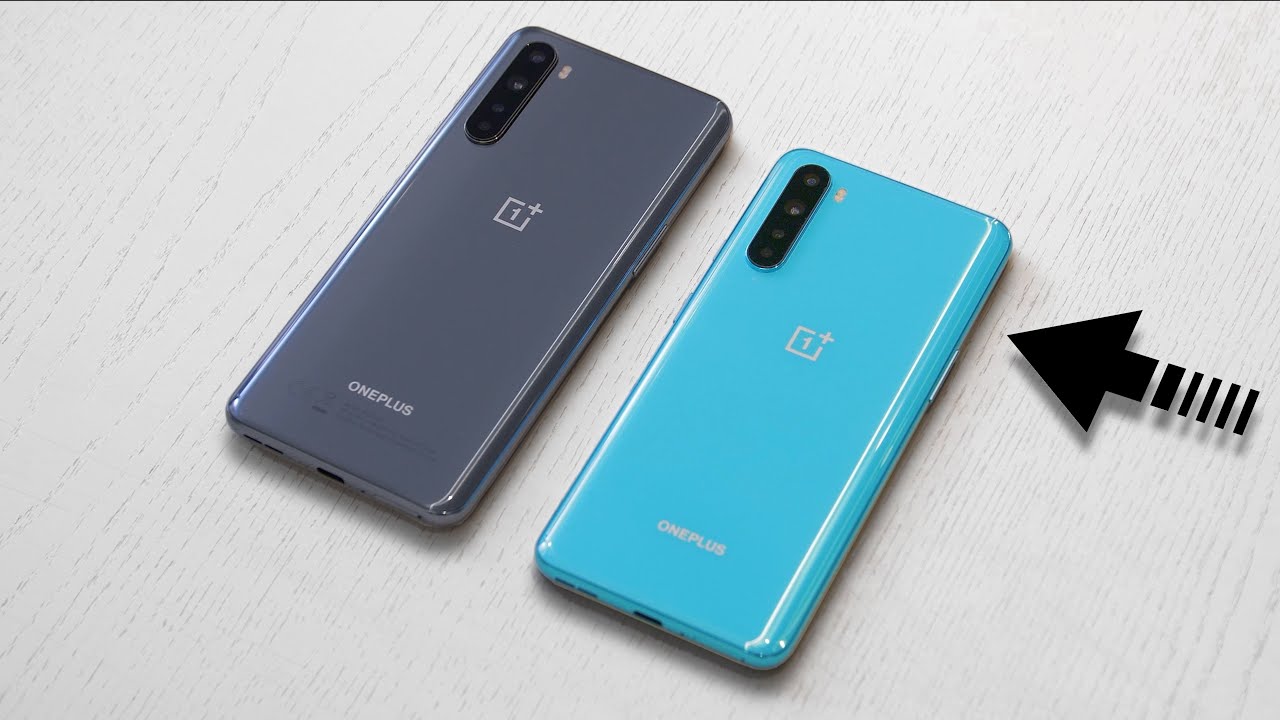
Exclusive reveal of the OnePlus Nord design, and a chat on how much smartphone parts cost! WVFRM Podcast episode: bit.ly The Budget Smartphone Blueprint: youtu.be Timestamps: 0:00 Intro 1:35 What is Nord? 4:03 NFC Cost 5:23 IP Rating Cost 9:32 Battery Cost 10:24 Display Cost 11:52 Headphone Jack 13:29 OnePlus Nord Design 17:44 Outro MKBHD Merch: shop.mkbhd.com Video Gear I use: kit.co Tech I'm using right now: amazon.com Intro Track: youtube.com Playlist of MKBHD Intro music: goo.gl ~ twitter.com @MKBHD @MKBHD
In this interview style video, the host Dave 2D (Dave2D) sits down with Carl Pei, co-founder of OnePlus, to unpack the design philosophy and cost considerations behind the OnePlus Nord. The conversation frames Nord as OnePlus’s move into the mid-range, arguing that the technology stack has finally reached a point where a flagship-like experience can be delivered at a lower price. Carl explains the rationale for adopting the 765G chipset and how software and hardware optimizations from flagship lines are ported into mid-range devices to preserve speed and smoothness in everyday use. The discussion also delves into the cost math of smartphone components, including the impact of NFC, IP certification, battery charging, and display choices, highlighting how these factors influence BOM versus consumer price. Throughout, the two presenters connect the design decisions to real-world manufacturing constraints, like testing equipment for IP ratings and the trade-offs between sealing, durability, and cost, while also sharing prototypes and design explorations that shaped the final Nord aesthetic. The transcript emphasizes that the Nord aims to balance recognizable OnePlus design cues with broader appeal, ensuring the device is immediately identifiable as a OnePlus product while exploring a fresh form and camera layout. In summary, the Nord reveal blends practical cost storytelling with a transparent look at how choices behind mid-range devices are made, from chipsets and charging strategies to display technology and industrial design pivots, all with the goal of delivering a compelling user experience at a new price category.
Topics · science & technology · consumer electronics · manufacturing · product design · mobile hardware
Questions answered
- What are the key factors that determine whether a mid-range phone can offer a flagship-like experience?
- The key factors include choosing a capable chipset (like the 765G), applying flagship-level software optimizations, display technology decisions (AMOLED vs LCD), efficient charging strategies, and careful design that balances durability, weight, and cost.
- Why did OnePlus decide not to pursue IP68 certification for the Nord, and how does that affect cost?
- They assessed that IP68 certification would require expensive testing and additional manufacturing steps, which would raise the BOM and ultimately the price. They prioritized the user experience and practical daily durability over this extreme level of water resistance.
- How does display choice influence price and perceived quality on mid-range devices?
- Display choice affects price mainly through the type (AMOLED vs LCD), the presence of a curved panel, and refresh rate. AMOLED is more expensive, curved displays raise costs due to manufacturing yield, and higher refresh rates can increase price, though volume helps reduce per-unit cost.
- What design process steps lead to final Nord form and how far in advance are designs locked?
- Design evolves through multiple prototyping stages, with a late-stage pivot possible if consumer data suggests a broader appeal. Ideally, the design would be locked nine months before launch, but in Nord’s case it was six months due to the iterative process and broader production planning.