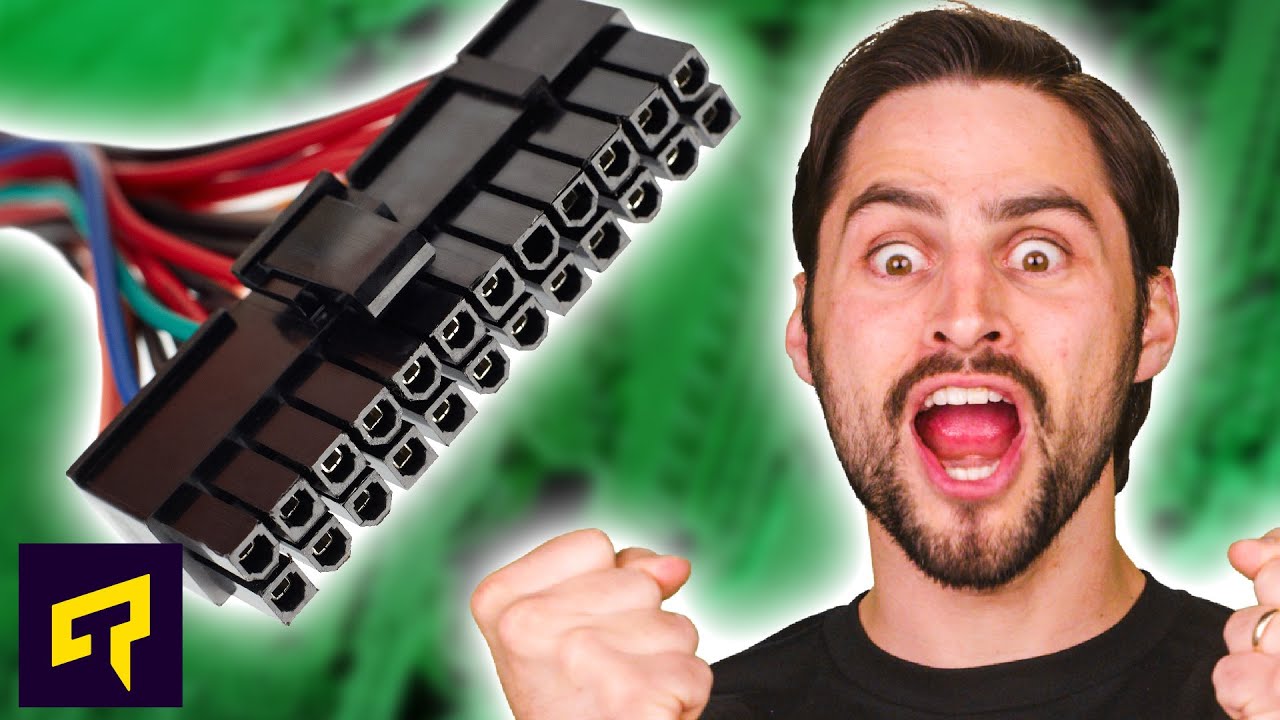
Is The 24-Pin Connector DEAD?
0 up · 0 down · 0 ratings
Promos
Learn through problem-solving, and the first 200 people can save 20% today on Brilliant at brilliant.org Will the new ATX12VO standard for power supplies save us from that bulky 24-pin connector for good? Leave a reply with your requests for future episodes, or tweet them here: twitter.com ►GET MERCH: lttstore.com ►SUPPORT US ON FLOATPLANE: floatplane.com ►LTX EXPO: ltxexpo.com AFFILIATES & REFERRALS --------------------------------------------------- ►Affiliates, Sponsors & Referrals: lmg.gg ►Private Internet Access VPN: lmg.gg ►MK Keyboards: lmg.gg ►Nerd or Die Stream Overlays: lmg.gg ►Official Game Store: nexus.gg ►Amazon Prime: lmg.gg ►Audible Free Trial: lmg.gg ►Our Gear on Amazon: geni.us FOLLOW US ELSEWHERE --------------------------------------------------- Twitter: twitter.com Facebook: @LinusTech Instagram: @linustech Twitch: twitch.tv FOLLOW OUR OTHER CHANNELS --------------------------------------------------- Linus Tech Tips: lmg.gg Mac Address: lmg.gg TechLinked: lmg.gg ShortCircuit: lmg.gg LMG Clips: lmg.gg Channel Super Fun: lmg.gg Carpool Critics: lmg.gg
The video explains the motivation behind the ATX12VO standard, which aims to replace the bulky traditional 24-pin motherboard power connector with a simpler 10-pin cable. The host notes that modern components mostly rely on the 12-volt rail, while older rails of 5 and 3.3 volts remain for some peripherals, making the current 24-pin setup larger than necessary. The discussion covers how a single 12-volt output could simplify power delivery, reduce internal PSU complexity, and potentially improve idle efficiency and environmental impact. However, there are practical drawbacks, such as SATA power connections that would need to be managed by the motherboard and the possibility that a 10-pin connector might still fall short for high-end builds. The host also highlights that early adopters are mainly OEMs and that Intel may push the spec as mandatory for newer processors, leaving enthusiasts in a wait-and-see position. The segment closes with a cautious optimism that if ATX12VO becomes widespread, future builds could be easier to assemble and possibly more power-efficient, though the change is unlikely to be a dramatic revolution for DIY PC builders. The sponsor segment briefly introduces Brilliant.org as a resource for problem-solving and interactive learning, alongside the typical channel plugs for merchandise and social media.
Topics · technology · hardware · pc-building · sustainability