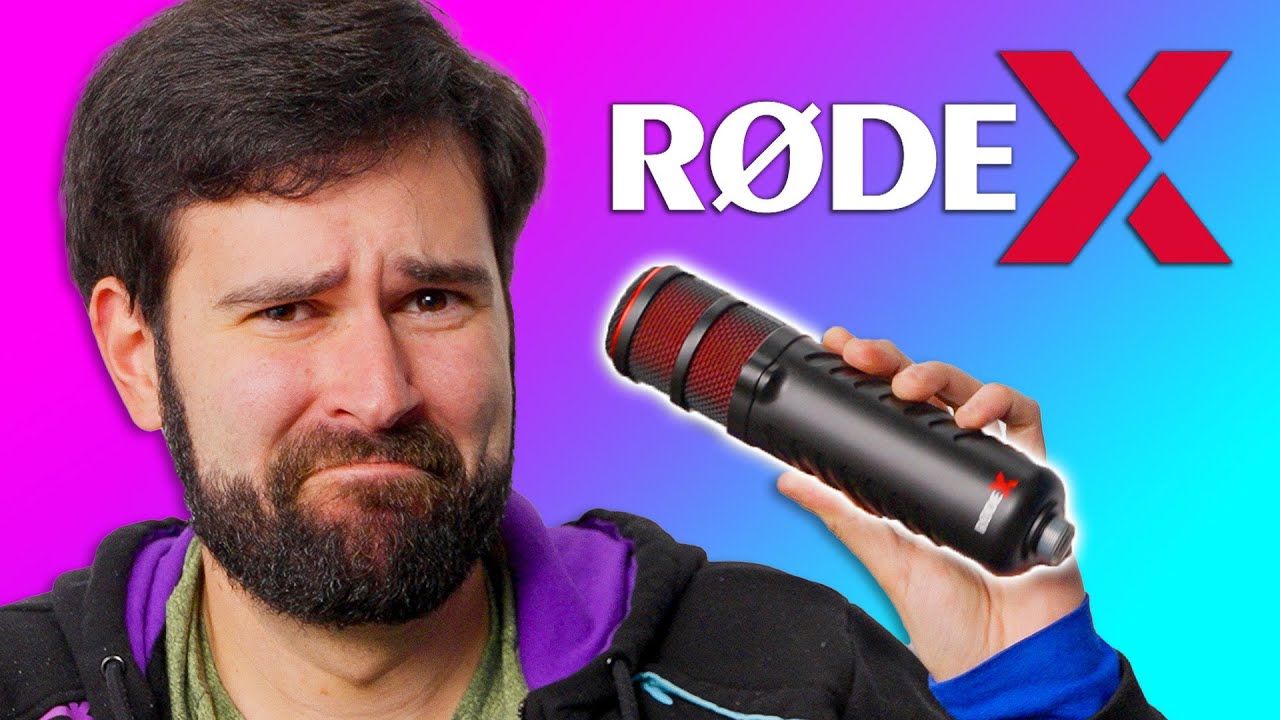
This has one CRITICAL flaw. - Rode X Microphones
0 up · 0 down · 0 ratings
Promos
Communicate effectively with the right tone at work! Sign up for an account and get 20% off Grammarly Premium: grammarly.com Our audio pro Dan is here to take a look at Rode's new X series gamer/podcaster-focused microphones to see if they're worth your time and money, or if the software makes this unusable. Buy a Rode XCM-50 USB Mic: geni.us Buy a Rode XDM-100 Mic: geni.us Purchases made through some store links may provide some compensation to Linus Media Group. Want us to unbox something? Make a suggestion at lmg.gg ► SUBSCRIBE ON FLOATPLANE: floatplane.com ► GET MERCH: lttstore.com ► AFFILIATES, SPONSORS & REFERRALS: lmg.gg ► PODCAST GEAR: lmg.gg ► SUPPORT US ON FLOATPLANE: floatplane.com FOLLOW US ELSEWHERE --------------------------------------------------- Twitter: twitter.com Instagram: @shortcircuityt TikTok: @linustech Facebook: @ShortCircuitYT CHAPTERS --------------------------------------------------- 0:00 Weird metaphor but ok 0:19 We've got a lot of stuff 0:50 Unboxing the XDM-100 2:37 Unboxing and setting up the mic arm 3:48 Sponsor - Grammarly 4:39 Software troubles 5:45 Sound quality impressions 7:20 The software kinda works? 7:51 Something to consider with dynamic condensers 8:47 Why bad software matters and overall thoughts 11:00 Outro
This video is a hands-on unboxing and first impressions of Rode's X series microphones, focusing on the XDM-100 as the centerpiece for gamers and podcasters. The host walks through the packaging, accessories, and the solid metal build, highlighting the included boom arm, shock mount, pop filter, and a notably long siliconized USB cable. The discussion then shifts to how the mic is intended to perform, comparing its design to established dynamic models like the RE20 and SMB7 while noting that the price point positions it as an entry-to-mid level option. A substantial portion of the video is devoted to setting up the mic and its accompanying software, with attention paid to the on-device controls and how they translate into OBS, as well as the challenges of using the Rode software as a full-fledged mixer rather than a simple driver. The host repeatedly test-drives the software, illustrating both moments of functionality and frustrating gaps, especially around sound shaping, gain control, and routing. The conclusion weighs the value proposition: the hardware is attractive and budget-friendly, but the software experience can undermine the overall value if you rely on the ecosystem to simplify your setup. The video ends by acknowledging that for those new to audio gear, the Rode X ecosystem may still feel overcomplicated, making the microfone itself solid, yet the software a nontrivial hurdle. Overall, it’s a mixed bag where hardware quality shines but software usability drags down the experience for many users. In the unboxing segment, the host covers the XDM-100’s heft, the robust stand, and the promise of dynamic performance, noting that the included stand is strong and cost-effective. He demonstrates the reconfigurable desk arm, tests the mounting, and remarks on the build quality and weight that support a stable setup. The packaging details, such as the unusual USB cable and the siliconized accessories, are presented with enthusiasm, contrasting the tactile feel of the components with the practicalities of desk space and camera work. Through the early setup, questions arise about how a single mic can serve both lab-like tasks and casual gaming or streaming contexts, hinting at the need for versatile placement in typical home studios. The discussion also raises expectations about Rode’s ecosystem, suggesting that a clean software experience could amplify the hardware’s promise. The software experience emerges as the video’s central tension, with the host documenting mixed results: the Rode software can control the mic and provide a multi-source mixer-like experience, yet crucial features either fail to initialize or do not integrate cleanly with OBS. The host demonstrates real-world testing, noting that the software’s controls appear to be partially functional while the VU meters, routing, and game/ music/mic splits lack reliability. The frustration peaks as the host emphasizes that the software does not meet expectations for a product marketed to beginners and enthusiasts who want a simple, cohesive workflow. The takeaway is pragmatic: the XDM-100 sounds capable, but the accompanying software undermines the overall value, making it harder for first-time buyers to achieve a polished, professional setup without additional workaround tools. The host frames the final verdict as hardware-positive but ecosystem-limited, urging potential buyers to weigh whether they are willing to live with software challenges for the sake of Rode’s branding and build quality.
Topics · technology · hardware · audio · unboxing · review
Questions answered
- What is the Rode XDM-100 primarily designed for?
- The Rode XDM-100 is positioned as a dynamic microphone aimed at gamers and podcasters, offering a fuller near-field pickup and a robust build intended for desktop setups.
- What is a major drawback mentioned in relation to the Rode software?
- A major drawback is that the Rode software does not reliably integrate with OBS for multi-source routing and control, which undermines the promised convenience of the ecosystem.
- Is the hardware worth buying at the stated price according to the video?
- The hardware is considered solid and reasonably priced, but the overall value is diminished by problematic software, making it harder to justify the purchase for first-time buyers.