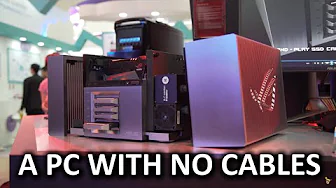
ASUS AVALON aka "The LEGO PC"
0 up · 0 down · 0 ratings
Description
This is probably the most unique PC I've seen since Razer's famous Project Christine... Let's check it out!! Corsair Lapdog: bit.ly MSI Aegis: bit.ly MSI GTX 1080: bit.ly Follow us: twitter.com Support us: linustechtips.com
The ASUS AVALON, nicknamed The LEGO PC, is presented as a bold, modular concept that aims to redefine traditional PC form factors. The video outlines a design where a motherboard sits atop a separate module, with two detachable side panels and a plexi top, eliminating most internal cables except for essential fan power and graphics card connections. The host emphasizes the intention to create a near cableless, barebones system, where IO modules can be unplugged and swapped to adapt to different needs. The modular approach includes hot-swappable SATA cages in the front and a layout that allows more open access to memory and motherboard components, challenging conventional ATX constraints. The discussion goes beyond aesthetics, exploring how future IO expansion could be accommodated via modular IO backplanes, potentially adding features like extra M.2 slots or new USB standards as they emerge. The host also raises practical concerns about real-world viability, including cost, distribution, and the challenges of delivering consistent upgrade paths compared to traditional barebone builds. In closing, the video invites viewer input on whether this concept could translate into a market-ready product and teases related Computex coverage from Corsair and MSI.
Topics · technology · hardware · computing · trends
Questions answered
- What is the core concept of ASUS AVALON and how does it differ from traditional desktops?
- ASUS AVALON proposes a modular, cableless design with a top-mounted motherboard and detachable IO modules, allowing components to slide into a backplane, reducing cable clutter and enabling easier upgrades compared to conventional ATX-based desktops.
- What are the main concerns about bringing this concept to market?
- Key concerns include upgradeability and availability of future IO modules, the cost and distribution of modular components, and whether the overall system would offer a clear economic or practical advantage over standard barebones builds.