The Worst is Almost Over
0 up · 0 down · 0 ratings
Description
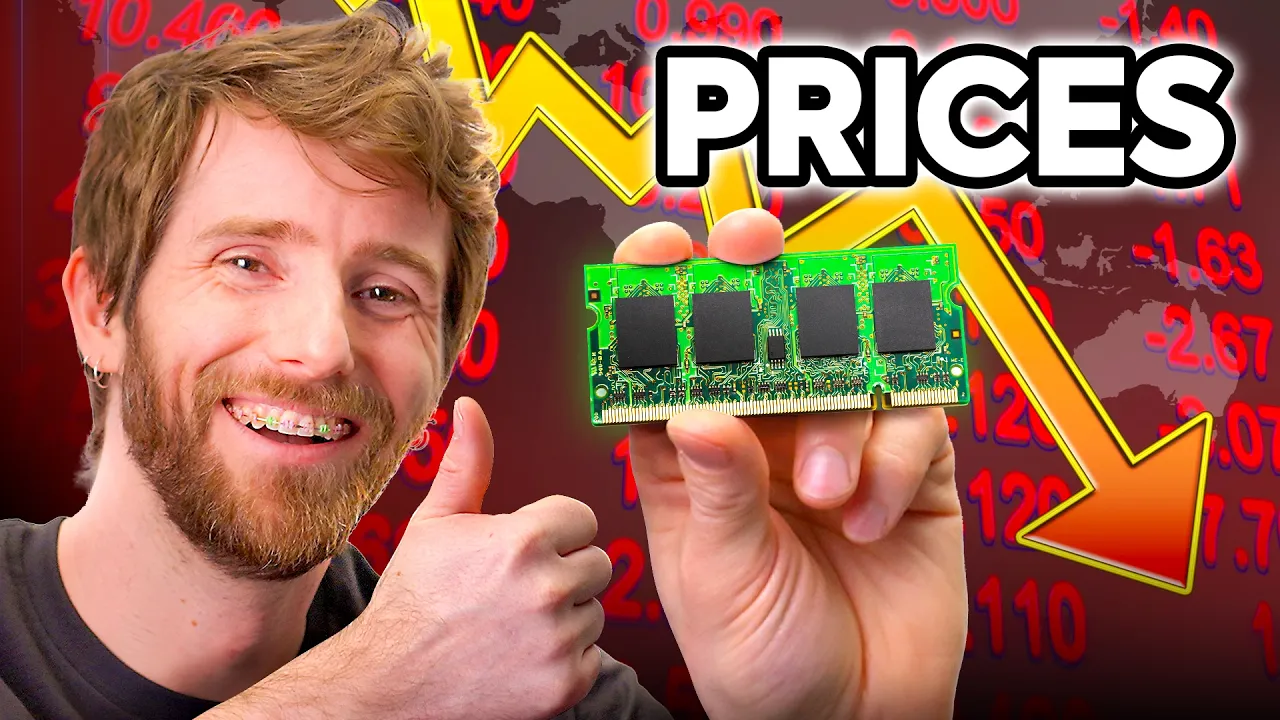
We're all Born Private, and it should stay that way. Create a free account with Proton Mail - proton.me Is the AI bubble getting ready to burst? We’re seeing major spending cuts at OpenAI, Mass Layoffs at Oracle, and ludicrous valuations for companies that don’t have the revenues to back those values up, and DDR5 prices are dropping around the world. It’s starting to look like the RAM crisis won’t last forever. Discuss on our Forums linustechtips.com ► SHOP LTT PRODUCTS: lttstore.com ► GET EXCLUSIVE CONTENT ON FLOATPLANE: lmg.gg ► DIVE DEEPER ON THE LTT LABS WEBSITE: lmg.gg ► SPONSORS, AFFILIATES, AND PARTNERS: lmg.gg Purchases made through some store links may provide some compensation to Linus Media Group. Affiliate links powered in part by affilimate.com Linus Sebastian is an investor in Framework Computer, Inc and HexOS by Eshtek. CHAPTERS --------------------------------------------------- 0:00 Intro 2:05 Tell me about the Tulips 4:08 Where's the Profit? 6:03 Why focus on OpenAI? 8:08 But what about...? 12:00 Credits
The video opens by framing AI as here to stay but questions whether the financial model supporting the AI explosion is sustainable. The host defines what a market bubble is and anchors the discussion with Tulip Mania as a historical analogue, noting how prices can surge beyond real value before a crash that nonetheless leaves some assets structurally intact. The analysis then shifts to the current AI landscape, highlighting gargantuan valuations for leaders like OpenAI, Anthropic, and xAI, and contrasting them with more traditional giants such as Samsung, which generate real profits alongside their AI ambitions. The presenter argues that revenue and profit are not the same, pointing out that OpenAI burns billions while still generating only modest profits relative to its lofty valuation, and he questions the long-term path to profitability through consumer subscriptions or enterprise tools. He emphasizes that OpenAI may not own the necessary infrastructure alone and suggests that competitors like Google and Meta could emerge with more durable business models beyond AI alone, shielding themselves from the full brunt of a bubble deflation. The discussion then pivots to concrete company actions, including reports of OpenAI cutting spending, Oracle layoffs, and rising energy costs, framing these as indicators that capital discipline could return to the sector and restore some balance to AI investment. Throughout, the host maintains a cautious optimism, arguing that a return to reasonable investment levels is likely and that light may appear at the end of the tunnel as the industry rebalances between hype and real, sustainable revenue. The video closes with a sponsorship and a reminder of privacy focused tools, reiterating the theme that while AI progress will continue, consumer-friendly, affordable access could follow a market correction rather than a collapse.
Topics · technology · economics · ai industry · business strategy · infrastructure
Questions answered
- Why does the video compare AI valuations to Tulip Mania
- The comparison highlights how assets can reach prices far above their intrinsic value due to speculation, which can precede a price correction or crash.
- What is the presenter’s view on OpenAI's business model
- The presenter suggests OpenAI may survive as a ubiquitous but potentially niche player, with challenges converting free users to paying customers and competing with broader product ecosystems.
- How do Google and Meta fit into the bubble narrative
- Google and Meta are seen as better protected from bubble deflation because their valuations rely on usefulness and revenue outside AI, not solely on AI infrastructure gains.