NZXT Kraken X60 CPU Water Cooler Unboxing & First Look Linus Tech Tips
0 up · 0 down · 0 ratings
Channels and socials
NZXT Kraken X60 unboxing & review. This water cooler uses dual 140mm fans for better performance than other 120mm fan based models. Read about this and join our forum: linustechtips.com twitter.com @LinusTech Buy at NCIX: ncix.com
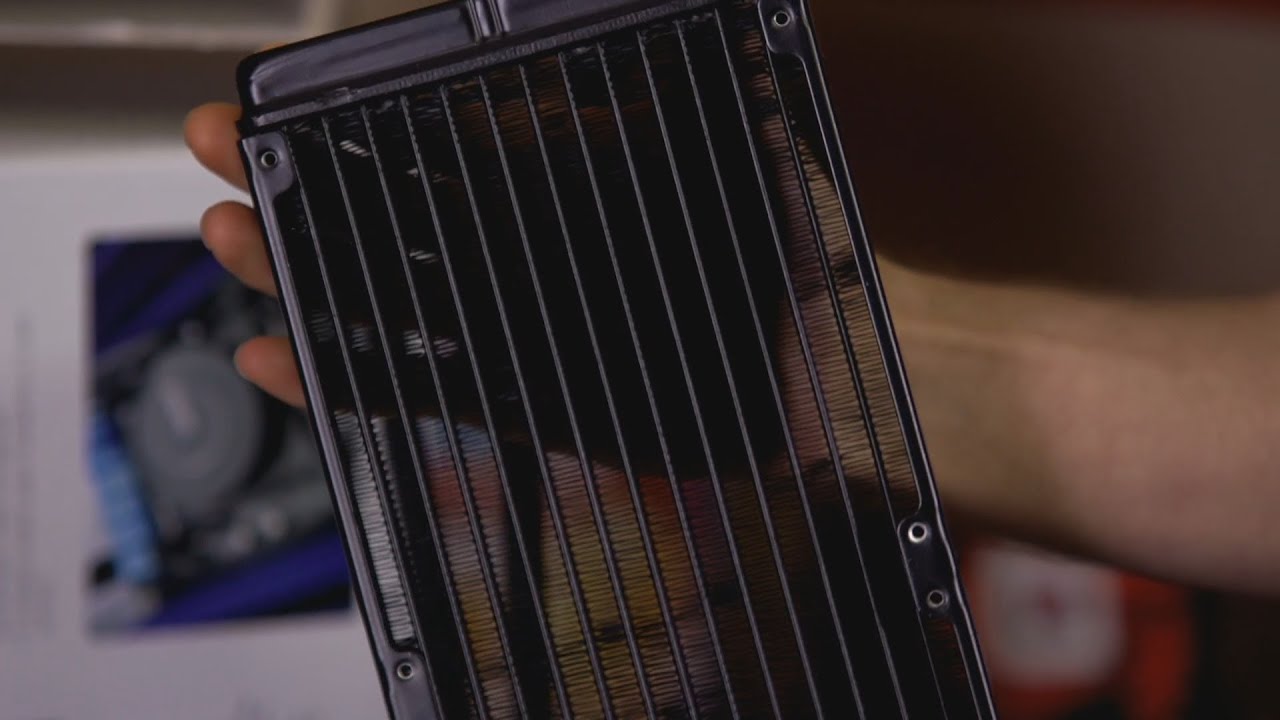
The video presents an in-depth unboxing and first look at the NZXT Kraken X60 CPU liquid cooler from Linus Tech Tips. The host highlights the core design choice of dual 140 mm fans, emphasizing that increased surface area drives better heat dissipation in line with fundamental cooling physics. He compares the X60 to the X62 and a standard 240 mm cooler, noting that the larger radiator yields significantly more usable surface area despite some limits in fan efficiency for 140 mm models. The segment also covers packaging and included hardware, including mounting brackets for Intel and AMD sockets, the Kraken controller software, and the flexible tubing that marks a departure from earlier rigid designs. Throughout the unboxing, Linus discusses potential compatibility challenges with certain cases due to the larger fan spacing and radiator dimensions, while also praising features like swivel fittings on the CPU block and pre-applied thermal compound. The walkthrough closes with a quick look at the wiring, power arrangement, and the role of the software in controlling fans and monitoring performance, setting up expectations for forthcoming testing and performance data. In the middle portion, attention shifts to the radiator and fin density, with Linus comparing it visually to older radiators and explaining how thickness affects overall performance. He notes that the Kraken X60 remains a slim radiator relative to some high-end models, which helps keep it compatible with many cases while delivering large surface area, albeit with the caveat that 140 mm fans sometimes require careful optimization for static pressure. The host reassures viewers that NZXT provides substantial mounting hardware and case compatibility guidance, while also hinting at the potential need for case modification to fit dual 140 mm fans in some builds. A significant emphasis is placed on practical installation details, such as the top retention bracket mechanism and the easy-to-use, highly flexible tubing, which facilitate alignment and mounting in complex cases. Finally, Linus previews the software experience, noting the USB-connected controller and the ability to manage pump and four fan headers through the Kraken software, rather than solely via motherboard headers, foreshadowing in-video testing and numerical results. The conclusion teases future test plans, with Linus mentioning a dedicated test bench setup using a high-end CPU overclock and a large tower chassis to validate performance against competing 120 mm and 140 mm coolers, while acknowledging the need for potential case modifications to achieve optimal fit. He wraps up with his signature outro, encouraging viewers to subscribe for follow-up performance data, reviews, and related content, and he underscores the value of hands-on, iterative testing that mirrors real-world assembly experiences rather than relying solely on manufacturer-supplied numbers. The overall takeaway is that the Kraken X60 aims to deliver substantial cooling power through expanded surface area, thoughtful customization options, and software-driven control, with real-world results to be demonstrated in subsequent videos.
Topics · technology · hardware · computer_components · product_unboxing · cooling · reviews
Questions answered
- What makes the NZXT Kraken X60's cooling potential different from a standard 120 mm cooler?
- The Kraken X60 uses a dual 140 mm radiator, which increases the surface area for heat dissipation, improving cooling performance compared to dual 120 mm or smaller radiators.
- What installation features stand out in the Kraken X60?
- Key features include swivel fittings on the CPU block, flexible tubing, pre-applied thermal compound, and a Kraken controller with software to manage pump and four fan headers.
- What testing approach does Linus mention for validating performance?
- Linus plans to test on a high-end overclocked CPU using a large chassis, likely requiring some case modification to fit dual 140 mm fans, and to compare against 120 mm competitors using his own test setup.