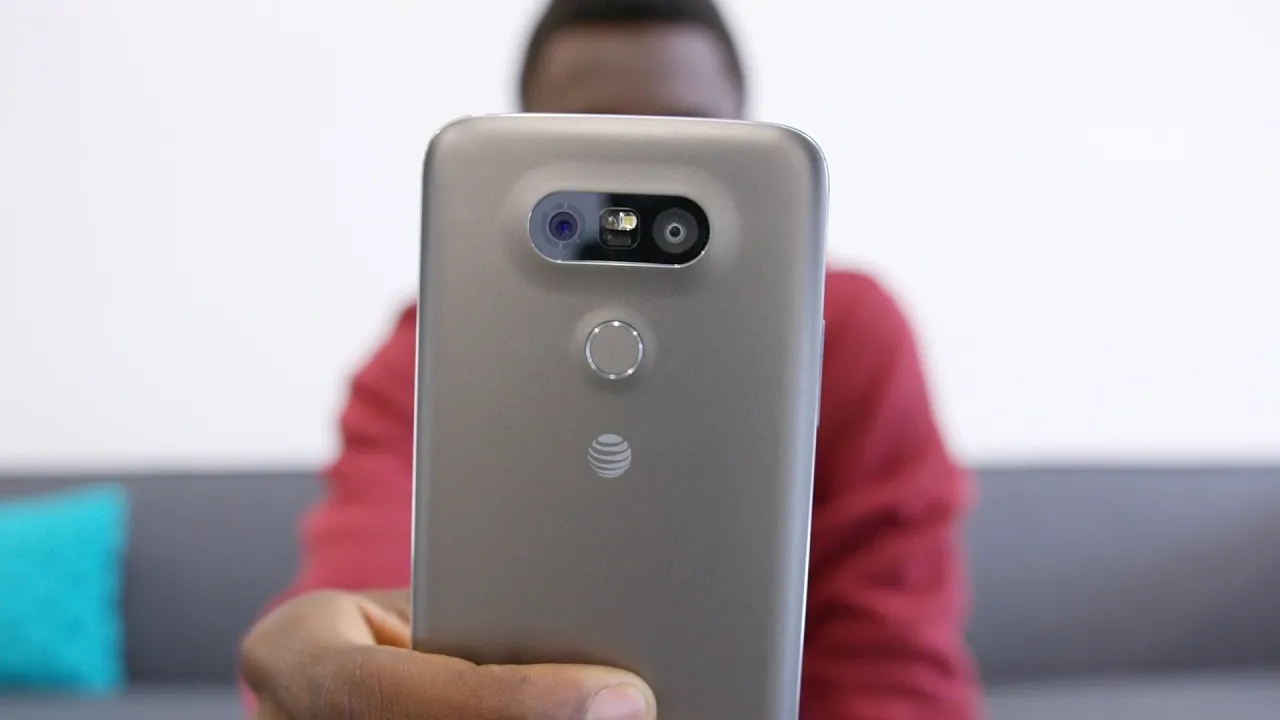
Dual Camera Smartphones: Explained!
0 up · 0 down · 0 ratings
Channels and socials
Everything to know about dual cameras on smartphones. Video Gear I use: kit.com Intro Track: Ongoing Thing by 20syl, Oddisee ~ twitter.com snapchat.com google.com @MKBHD @MKBHD
Dual camera smartphones are explored with focus on how second cameras function rather than simply adding another lens. The video traces the evolution from earlier attempts like HTC EVO 3D with stereoscopic 3D to later implementations in devices such as the HTC One M8 with a depth sensor and HTC’s follow ups, explaining how depth data enables selective blur and other computational effects. It then shifts to contemporary examples from 2016, including the LG G5 with a secondary wide-angle camera and the Huawei P9 which combines a regular RGB sensor with a monochrome sensor to boost detail and dynamic range through software fusion. Marques Brownlee clarifies that there is no universal standard for dual cameras, highlighting the variety of approaches and use cases from color depth to panoramic stitching and 360-degree capture potential. The discussion also touches on what Apple and other manufacturers might do next, emphasizing that the full potential of dual cameras remains exploratory and experimental rather than fully realized. Throughout, the video emphasizes practical ways these dual systems can influence image quality, creative options, and future smartphone design without presenting a single agreed-upon standard. In closing, Brownlee notes that as more companies experiment, the next generation of dual camera phones could push toward better low-light performance, more interesting depth effects, or even native VR and 360-degree capture advantages.
Topics · technology · mobile_devices
Questions answered
- What is the main purpose of a secondary camera in dual camera smartphones?
- The secondary camera provides extra information, such as depth data or a different light value, which software combines with the main image to improve features like depth of field, detail, and dynamic range.
- Why is there no universal standard for dual camera setups on smartphones?
- Different manufacturers implement dual cameras for different goals, such as depth sensing for bokeh, color and light information fusion, or wide-angle capture, resulting in a variety of configurations rather than a single standard.